
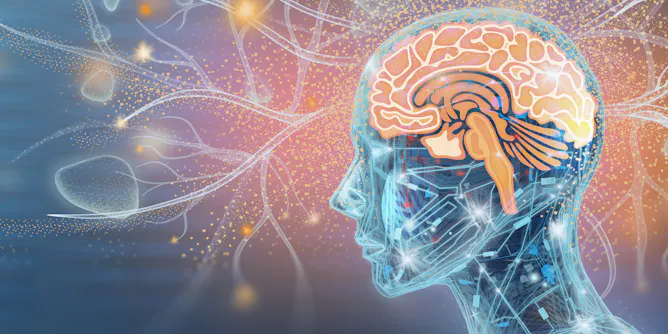
Science has done many things that seem miraculous. Why not transfer your consciousness to a machine?
Articles on Brain
Displaying 101 - 120 of 731 articles

Light comes in through our eyes upside down – but we can still interact with the world just fine.

People who read report a deeper understanding of others’ experiences and beliefs.

How do animals and humans come up with novel ideas? It may be down to some very specific cells.

It has taken decades for our theory that Alzheimer’s is triggered by viral infections to be taken seriously.

We love to believe we’re rational thinkers, but we’re often guided by invisible hands.
As you experience or encounter new things, your brain must encode this information via the right neural networks at the right time.
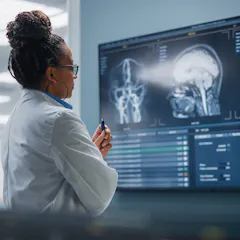
Study suggests accelerated brain ageing is a factor in the development of schizophrenia – and can be measured using a simple blood test.

Complications from measles infection are surprisingly common.

Advances in technology are making it easier to explore this question.
Rather than seeking a single cure — a magic bullet — for Alzheimer’s disease, a shotgun blast of different drugs with different targets may be a better approach to this very complex condition.
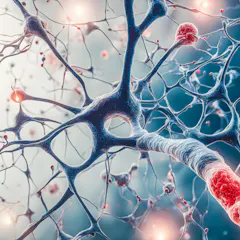
Addressing the harmful chemical processes that accompany blunt force trauma to the brain can reduce the risk of long-term disability.
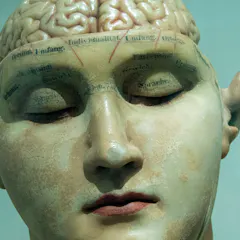
Having a word “on the tip of the tongue” has happened to all of us. Behind this everyday phenomenon lie complex brain mechanisms.
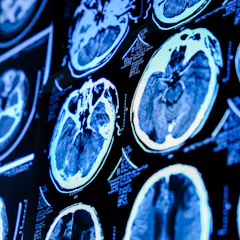
There are several lifestyle risk factors that increase the risk of brain aneurysms.
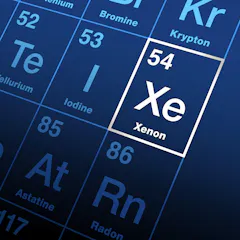
An anaesthesia gas could be the next big thing in treating Alzheimer’s disease.
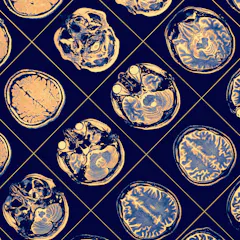
Standard medical exams miss subtle signs of awareness in around 40% of cases.

Reading can change the brain.

Understanding how new neurons affect brain function throughout adulthood can offer new approaches to treating epilepsy and dementia.

Neuroscientists found that music cannot only influence your emotions in the present − it can also alter how you remember your memories.
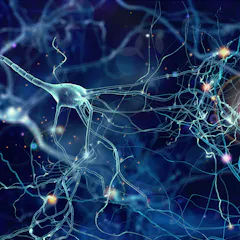
Are neurons star players, or do they prioritise teamwork? A new study has uncovered an answer for this long-standing debate about the brain.
Top contributors
-

Professor of Clinical Neuropsychology, University of Cambridge
-
Postdoctoral Research Associate, Cognitive Neuroscience, University of Cambridge
-
Senior Research Fellow, The Perron Institute for Neurological and Translational Science, and Faculty of Health Sciences, Curtin University
-
Professor of Science and Technology for Brain-Inspired Intelligence/ Computer Science, Fudan University
-
Professor of Music Psychology, Durham University
-
Postdoctoral Researcher in Cognitive Neurosciences, The University of Queensland
-
Lead, Cognition and Consciousness Imaging Group, Division of Anaesthesia, University of Cambridge
-
Penn State
-
Senior Lecturer (Adjunct), Nutritional neuroscientist, Adelaide University
-
Professor of Anatomy, Lancaster University
-
Professor of Chemistry and Senior Scientist of the Krembil Research Institute, University Health Network, University of Toronto
-
Researcher, The University of Melbourne
-
Postdoctoral Researcher in Neuroscience, University of Sussex
-
Professor of Behavioral Neuroscience, University of Richmond
-
Professeur agrégé de neurosciences computationnelles et neurophysiologie, L’Université d’Ottawa/University of Ottawa