
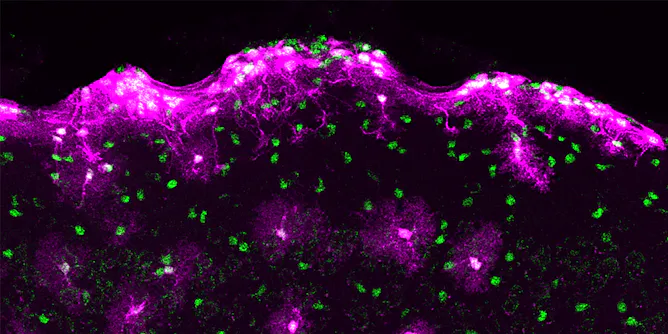
The transplantation of astrocytes — a type of brain cell as common as neurons — may provide hope of treatments or cures of some neurodegenerative disorders.
Articles on Brain
Displaying 121 - 140 of 731 articles

Here are just some of the ways light is important for our wellbeing and mental health.

We have trillions of body clocks – a central one in the brain and others in each cell of our body. Here’s how they work with light to control our health.
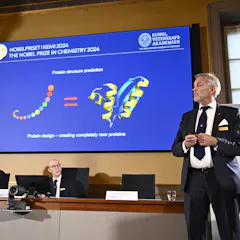
AI will feature in future Nobel prizes as scientists exploit the power of this technology for research.
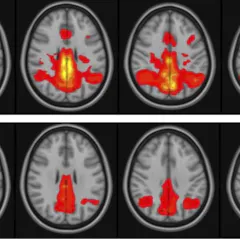
Concussion is considered a ‘mild’ injury, but effects can last a lifetime, especially with multiple impacts. Understanding their long-term effects can help predict who might develop neurodegeneration.

Bittersweet experiences aren’t uncommon. Do people ever truly feel both positive and negative at the same exact moment, or do we just switch quickly back and forth?
We don’t yet know the health effects of microplastics in the brain. But until we find out more, it’s best to limit our exposure to plastics where we can.
Here’s how your brain visualizes scenarios that you’re not actually looking at with your eyes.

Why do some people stay sharp into old age while others decline? The “orchid and dandelion” phenomenon may help reveal how tailored environments could drive better cognitive health for all.
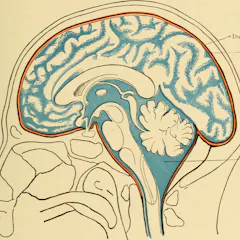
Cerebrospinal fluid can sometimes leak or collect in the brain without an identifiable cause, leading to symptoms that can be difficult to diagnose.
Brains encode language by matching words to patterns of activity. Large language models can do the same thing.

Less sleep and later bedtimes are linked to a section of the brain involved in emotion regulation suffering reduced growth, along with weaker connections to other brain areas.
Brains evolve with body size according to a simple rule. Exceptions to that rule include our own species with enormous brains.
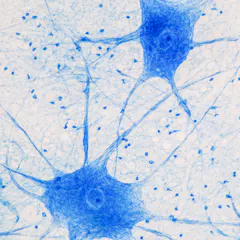
New research has revealed the role that kinesin, a nanoscopic motor protein, holds in the brain. It helps build dendritic spines, the physical structures that grow from neurons.
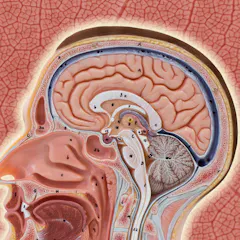
Our body fiercely protects the brain by holding onto things that help it and keeping harmful things out, such as toxins and bugs that can cause infection.
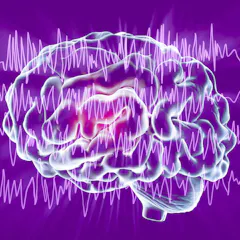
Deciphering how neurons talk to each other by reading the brain’s electrical activity has given scientists insights into memory and conditions like epilepsy and Alzheimer’s.

The experience of hearing voices can be very different from person to person, and can change over time. They can be comforting or very distressing.

Traumatic brain injury can have profound long-term impact, but care is often focused on immediate symptoms. Bill C-277 aims to develop a national strategy for treatment, rehabilitation and recovery.

Momentary shifts in mood profoundly alter the brain’s response to pleasure in people with bipolar disorder.

Fluctuating hormones affect the frequency of seizures at multiple times in women’s lives. So we need to tailor their therapies accordingly.
Top contributors
-

Professor of Clinical Neuropsychology, University of Cambridge
-
Postdoctoral Research Associate, Cognitive Neuroscience, University of Cambridge
-
Senior Research Fellow, The Perron Institute for Neurological and Translational Science, and Faculty of Health Sciences, Curtin University
-
Professor of Science and Technology for Brain-Inspired Intelligence/ Computer Science, Fudan University
-
Professor of Music Psychology, Durham University
-
Postdoctoral Researcher in Cognitive Neurosciences, The University of Queensland
-
Lead, Cognition and Consciousness Imaging Group, Division of Anaesthesia, University of Cambridge
-
Penn State
-
Senior Lecturer (Adjunct), Nutritional neuroscientist, Adelaide University
-
Professor of Anatomy, Lancaster University
-
Professor of Chemistry and Senior Scientist of the Krembil Research Institute, University Health Network, University of Toronto
-
Researcher, The University of Melbourne
-
Postdoctoral Researcher in Neuroscience, University of Sussex
-
Professor of Behavioral Neuroscience, University of Richmond
-
Professeur agrégé de neurosciences computationnelles et neurophysiologie, L’Université d’Ottawa/University of Ottawa