
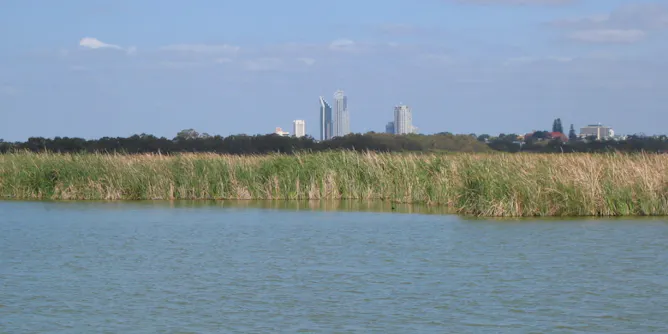
Perth, unlike Cape Town, faces no prospect of its tapwater running out. But other problems lurk beneath the surface, as the city’s drying climate puts increasing pressure on irrigation and wetlands.
Articles on Wastewater
Displaying 81 - 100 of 110 articles
Cities all over the world are facing growing challenges to provide clean, reliable water. And many of the fixes, such as desalination plants, have a huge carbon footprint.
The experiences of other countries can provide valuable lessons for Cape Town on how to better cope with its water crisis.

Once unleashed, glitter gets everywhere – not just in your house, but into the environment. Time to call a halt to the glitter explosion.
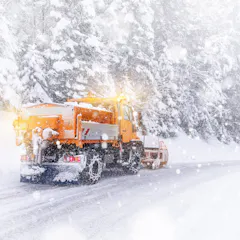
With frigid temperatures and snow in the forecast, slippery roads can’t be far behind. Salt keeps roads safe, but it’s harmful to aquatic environments.
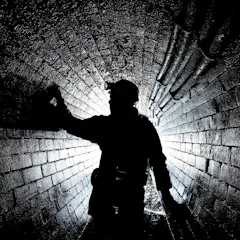
The UK water infrastructure needs rethinking with the increasing population demands and the contaminants found in our water.
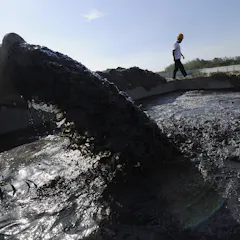
There is no longer any good reason to waste any type of water. We have the technology to turn waste water into a vital resource.
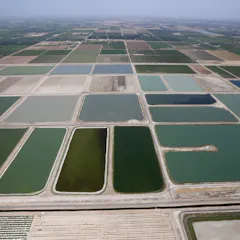
Worldwide, farmers are already using untreated waste water to irrigate their crops. Here’s how to mitigate the danger.
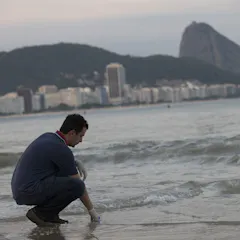
Developed and developing countries alike struggle with water quality problems. For World Water Day, a look at the challenges – and some potential solutions – to better treating wastewater.
The invention of the flush toilet was probably one of the most unsustainable innovations in human history.
There’s one important piece of the puzzle we’re missing when it comes to antimicrobial resistance.

Expecting the rest of the world to adopt expensive, centralized sewage treatments systems common in the U.S. is not realistic.
Wastewater treatment systems around the world are hamstrung by outdated tests that don’t identify a growing array of pathogens or identify the sources of pollutants.
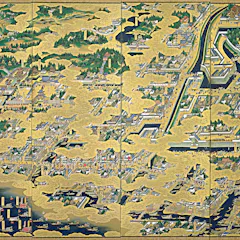
Edo, which gave rise to Tokyo, was also the world’s largest city three centuries ago. Facing ecological collapse, Edo developed a culture and practices that supported sustainable living.
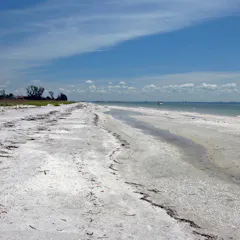
There’s a debate over whether fracking should be introduced into Florida, a state with a unique geology and hydrology that introduces a long list of environmental concerns.
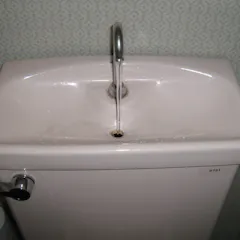
Long-term drought and water shortages in many parts of the U.S. are spurring interest in ways to reuse graywater – the water that drains from sources such as showers, bathtubs and washing machines.

Australians eat a lot of water. Nearly 500 L is required to produce the food each of us eats every day.
The simple act of shampooing and conditioning our hair, even with green products, results in more than 30 chemicals being washed into our sewers.
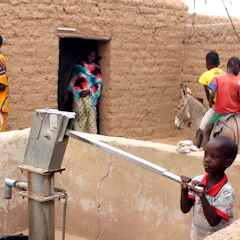
Geosciences can be a valuable tool in the fight to provide Sub-Saharan Africa with safe drinking water.
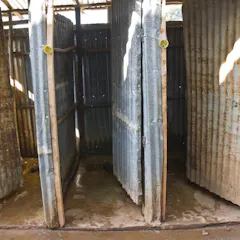
Despite improvements, there are still millions of people without adequate sanitation in Africa. Sustainable solutions that can be replicated elsewhere are being developed in South Africa.
Top contributors
-

Associate Professor in Environmental Science, Western Sydney University
-
Professor / Leader of the Environmental and Nanoscience Research Group, University of the Western Cape
-
Adjunct Professor, Global, Urban and Social Studies, RMIT University
-
Associate Programme Officer, Institute for Integrated Management of Material Fluxes and of Resources (UNU-FLORES), United Nations University
-
Professor and Head of School of Civil Engineering, University of Sydney
-
Researcher, University of Cape Town
-
Academic Officer, Water Resource Management Unit lead, Institute for Integrated Management of Material Fluxes and of Resource (UNU-FLORES), United Nations University
-
Assistant Professor, Department of Biology & School of Environmental Studies, Queen's University, Ontario
-
Associate Professor in Food Systems, The University of Melbourne
-
Senior Scholar in Environmental & Geographical Science, University of Cape Town
-
Executive Co-Director, UNU Hub on Empowering Communities to Adapt to Environmental Change, United Nations University; University of Calgary
-
Researcher in sustainable food systems, The University of Melbourne
-
Senior lecturer, Nelson Mandela University
-
Senior Lecturer: Water Quality Engineering, University of Cape Town
-
Associate Professor of Civil and Environmental Engineering, University of Maine