
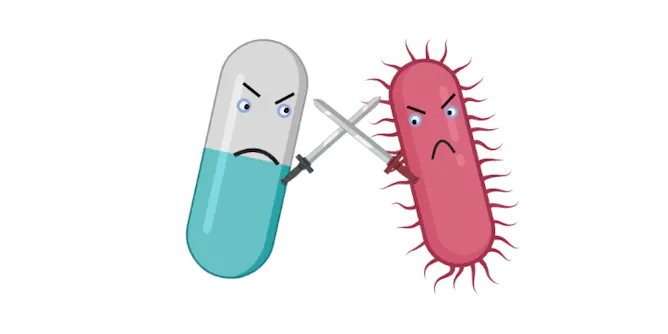
Antimicrobial resistance is a growing threat. Here’s how resistant genes sneak into human guts via wastewater, food and other routes.
Articles on Wastewater
Displaying 41 - 60 of 109 articles
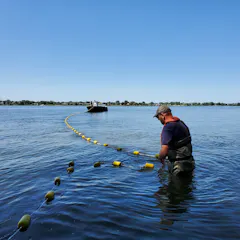
UV absorbents and industrial antioxidants are used in many household goods to protect them from UV radiation. They can have an adverse impact on ecosystems.

We need a radical rethink of water resource planning. Strategies should include reusing water and moving water physically to water-scarce areas.
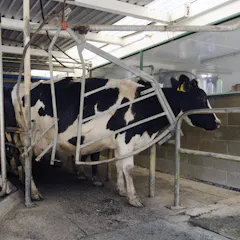
A new study of dairying in Canterbury shows previous estimates vastly underestimate the impact of intensive farming. A 12-fold reduction in cow numbers could be needed to meet safe water standards.

When humans eat fish, mussels and other foods containing antibiotics, the residual antibiotics may cause bacterial pathogens to become resistant.
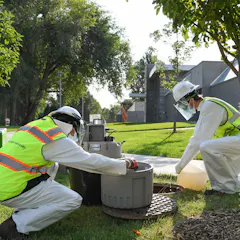
Over 800 sites across the US report coronavirus data from sewage to the CDC. Here’s how this kind of surveillance system works and what it can and can’t tell you.
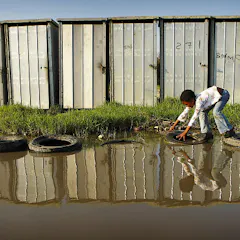
The implications of poor quality effluent being discharged into the environment are dire.
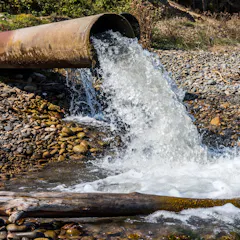
Water and sewerage companies should not be responsible for reporting pollution.

Budget 2021 includes significant investment in Indigenous communities. Moving forward, post-pandemic recovery and future budgets need to address systemic inequalities.
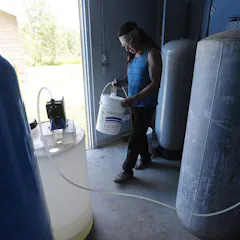
While investments are important, what’s more important is the process and mechanisms through which Indigenous people access funding.
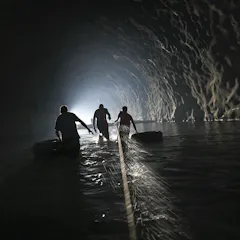
Water privatization is often seen as a solution to municipal budget shortfalls and aging water systems.
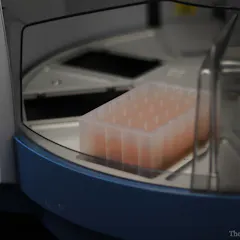
A community’s wastewater can predict coronavirus cases that haven’t yet been diagnosed. The quicker that information is known, the better.
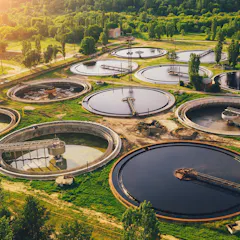
Treatment rates are still low in many developing countries.
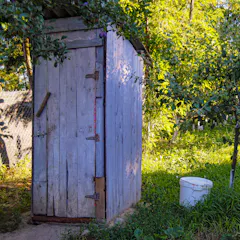
Untreated wastewater is responsible for the deaths of 800 children under five every day, and inflicts serious damage to the environment. Knowing where sewage ends up is vital.
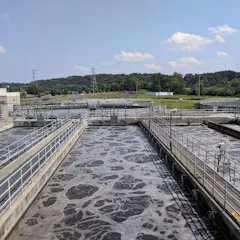
As the world waits for vaccines against COVID-19, testing wastewater can give communities and smaller locales, such as school districts, valuable signals about infections trends.

Detection of a virus in wastewater implies the presence of infected people in a community. It’s not quite so simple though.
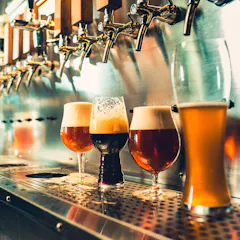
To continue to sustain or grow populations — and economies — more is going to have to be done with the same amount of water, or even less.
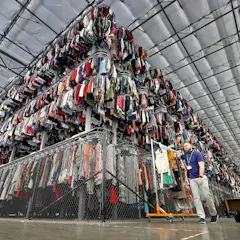
Fast fashion is far from green. But the rapid expansion of online clothing resale platforms could help shrink the garment industry’s negative impact on the environment.
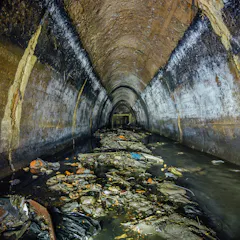
Identifying the emergence of a disease often relies on sick people seeking medical help. Wastewater monitoring can identify pathogens days or weeks earlier.
New regulations will allow oilsands companies to release 1.3 trillion litres of liquid waste into the Athabasca River in 2022. A new technology could clean the wastewater before it’s let go.
Top contributors
-

Associate Professor in Environmental Science, Western Sydney University
-
Professor / Leader of the Environmental and Nanoscience Research Group, University of the Western Cape
-
Adjunct Professor, Global, Urban and Social Studies, RMIT University
-
Associate Programme Officer, Institute for Integrated Management of Material Fluxes and of Resources (UNU-FLORES), United Nations University
-
Professor and Head of School of Civil Engineering, University of Sydney
-
Researcher, University of Cape Town
-
Academic Officer, Water Resource Management Unit lead, Institute for Integrated Management of Material Fluxes and of Resource (UNU-FLORES), United Nations University
-
Assistant Professor, Department of Biology & School of Environmental Studies, Queen's University, Ontario
-
Associate Professor in Food Systems, The University of Melbourne
-
Senior Scholar in Environmental & Geographical Science, University of Cape Town
-
Executive Co-Director, UNU Hub on Empowering Communities to Adapt to Environmental Change, United Nations University; University of Calgary
-
Researcher in sustainable food systems, The University of Melbourne
-
Senior lecturer, Nelson Mandela University
-
Senior Lecturer: Water Quality Engineering, University of Cape Town
-
Associate Professor of Civil and Environmental Engineering, University of Maine