
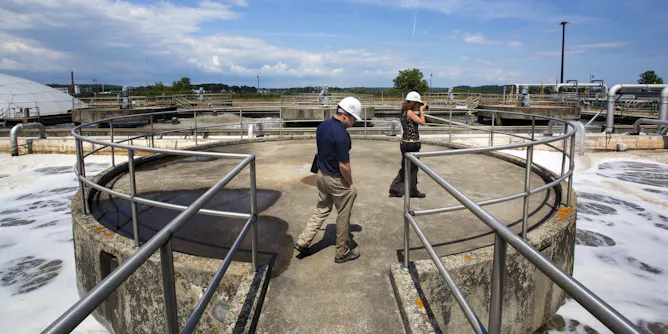
Sewage surveillance is one technique that can alert authorities to the presence of a pathogen in the community. An environmental engineer explains the state of the science when it comes to SARS-CoV-2.
Articles on Wastewater
Displaying 61 - 80 of 109 articles
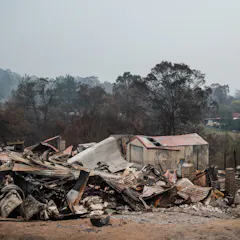
Damage to septic tanks is one of the major health hazards people face when they return to their bushfire-affected homes. It was simply dumb luck a disease outbreak didn’t happen last summer.
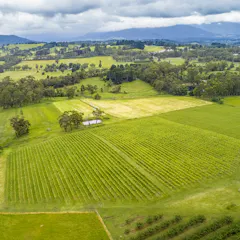
We must stop using biosolids for farmlands immediately, especially when alternative ways to recycle wastewater sludge already exist.
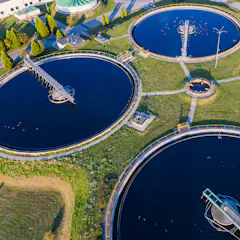
Untreated sewage could be the best tracking tool we have to prevent a second wave.

The government plans to monitor sewage for the SARS-CoV-2 coronavirus. And while this holds promise to tracking future local outbreaks, there are also some sticky ethical questions to consider.
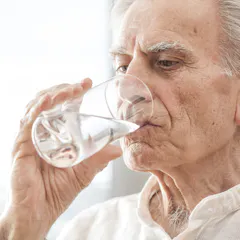
The prices households pay for drinking water and wastewater services have been rising faster than the rate of inflation.
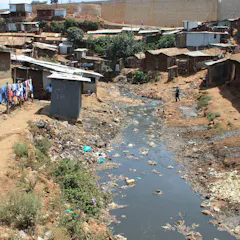
There are huge holes in the governance of Nairobi river and city’s waste which means the river’s condition has deteriorated.
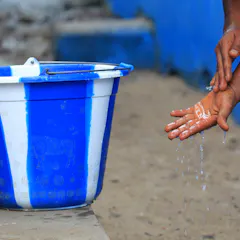
Wastewater reuse suffers from a perception problem.
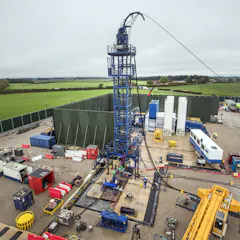
Pumping high-pressure fluid into fault lines causes them to slowly slip, increasing the pressure on more distant rock and inducing earthquakes far away.
Just as America’s highways, sewage systems and water pipes need fixing, so does the growing gap between rich and poor. Trump and the Democrats could use that money to address both.
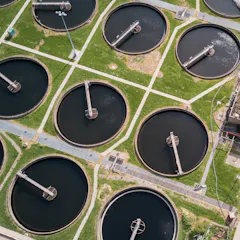
Currently, all the value in sewage sludge is literally being flushed down the toilet.
Scientists are finding ways to generate something useful from the pollution in our environment.
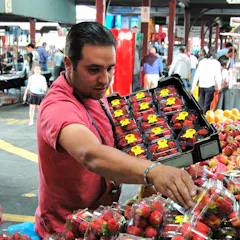
City fringe foodbowls supply much of our fresh produce and can increase climate resilience by making better use of wastewater and organic waste. A new roadmap outlines how to protect these foodbowls.
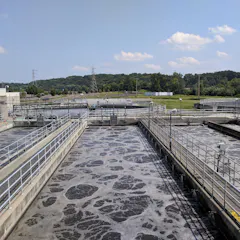
The ‘used water’ that flows from our showers, dishwashers and toilets isn’t a waste to engineers – it contains valuable materials. The challenge is recovering them and turning them into products.
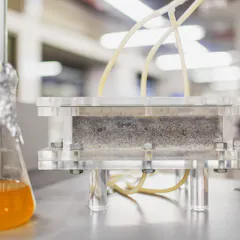
Some of the things we discard - like urine - can actually be useful resources.
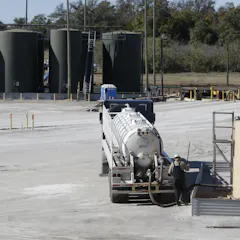
New research shows that injecting wastewater deep underground can cause earthquakes far from the injection site. It also raises questions about which rock layers are the safest injection targets.
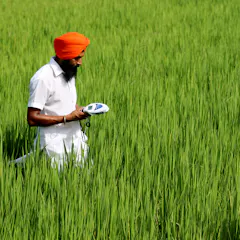
Food systems must be transformed to produce more nutritious food with a lower environmental footprint.

In an increasingly urban world, trees can make a major difference. One study found that, for every dollar invested in planting, megacities saw a $2.50 return on their investment.
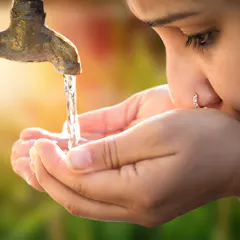
World Water Day shines a light on the importance of safe, clean drinking water, but a new report finds Canada’s freshwater systems are under stress.
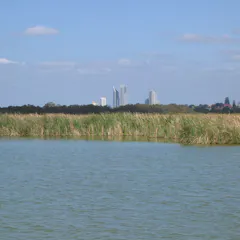
Perth, unlike Cape Town, faces no prospect of its tapwater running out. But other problems lurk beneath the surface, as the city’s drying climate puts increasing pressure on irrigation and wetlands.
Top contributors
-

Associate Professor in Environmental Science, Western Sydney University
-
Professor / Leader of the Environmental and Nanoscience Research Group, University of the Western Cape
-
Adjunct Professor, Global, Urban and Social Studies, RMIT University
-
Associate Programme Officer, Institute for Integrated Management of Material Fluxes and of Resources (UNU-FLORES), United Nations University
-
Professor and Head of School of Civil Engineering, University of Sydney
-
Researcher, University of Cape Town
-
Academic Officer, Water Resource Management Unit lead, Institute for Integrated Management of Material Fluxes and of Resource (UNU-FLORES), United Nations University
-
Assistant Professor, Department of Biology & School of Environmental Studies, Queen's University, Ontario
-
Associate Professor in Food Systems, The University of Melbourne
-
Senior Scholar in Environmental & Geographical Science, University of Cape Town
-
Executive Co-Director, UNU Hub on Empowering Communities to Adapt to Environmental Change, United Nations University; University of Calgary
-
Researcher in sustainable food systems, The University of Melbourne
-
Senior lecturer, Nelson Mandela University
-
Senior Lecturer: Water Quality Engineering, University of Cape Town
-
Associate Professor of Civil and Environmental Engineering, University of Maine