
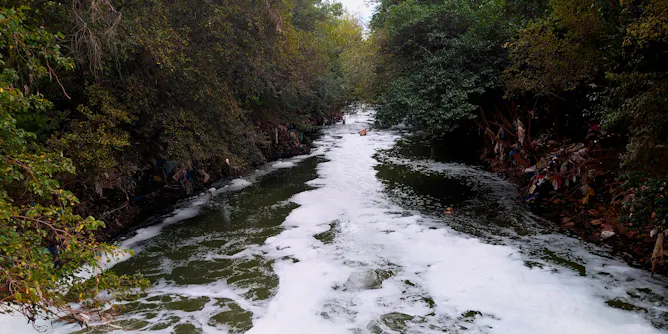
After harmful bacteria are removed by water treatment, the genetic information that enables antimicrobial resistance can persist.
Articles on Water treatment
Displaying 1 - 20 of 43 articles
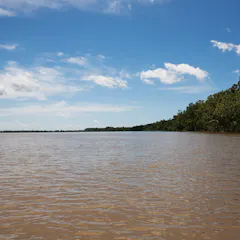
Brazil holds 12% of the world’s freshwater reserves and yet growing water insecurity reveals some of the country’s deepest sanitation inequalities, which are particularly relevant to Marajó, its largest coastal island.
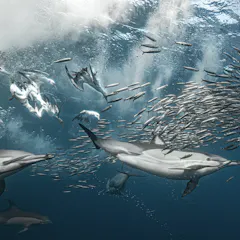
An organism can appear compliant under single chemical regulation while still carrying a potentially concerning mixture burden.

Critics warn Ontario’s new water laws could shift control of public water systems to arms-length corporations, paving the way for private profit at public expense.
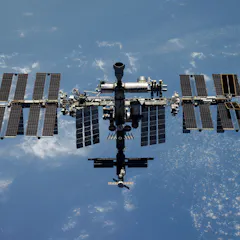
Yes, astronauts have to drink water that used to be pee – but their urine is treated extensively, until it is safer to drink than some tap water on Earth.

Current science communications in Cape Town are not serving the public well.
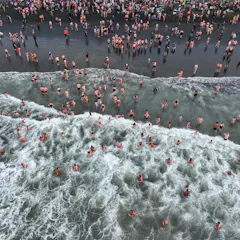
San Francisco argued that Clean Water Act permits should function like recipes that restrict specific ingredients in a dish, rather than telling cooks not to make the dish too salty.
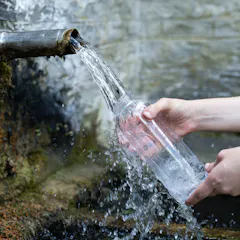
Raw water may not be as safe as it looks. Like raw milk, untreated water comes with dubious health claims and high risks.
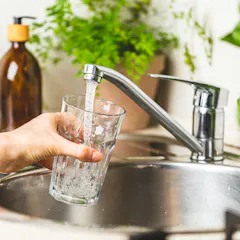
There is renewed concern about PFAS or ‘forever’ chemicals in drinking water. Here’s how we keep track of more than 250 potential contaminants to ensure our water is safe to drink.

One of the most liberal US cities is offering the Supreme Court a chance to further restrict federal regulatory power.

A specially coated foil removed more than 99% of E. coli bacteria from water in laboratory tests.

Hard water might dry out your hair and skin − but having hard water isn’t necessarily a bad thing.

Water is everywhere, but freshwater supplies are limited on many Caribbean islands. Rising demand and climate change are worsening water shortages for the people who live here.

There are a lot of myths and strongly held beliefs around one of life’s simplest activities – drinking water.

Water shortages are one of the greatest problems created by a warming world. A decentralized water system is a compelling counterargument to the notion that bigger is better.
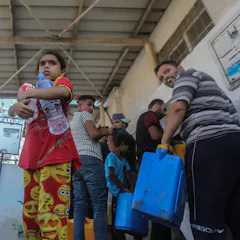
As the war between Hamas and Israel grinds forward, two experts explain how Israelis and Palestinians have cooperated to tackle their region’s water challenges.
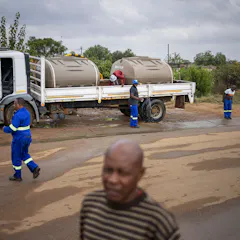
Good legislation has been undermined by poor planning, limited investment and governance, but recent water reports suggest the government recognises the scale of the problems.

We detected 180 contaminants in treated and untreated water. None of those found in treated water breached human health guidelines, but we should not forget about potential impacts on the environment.

Many of our rivers are overloaded with nutrients from fertiliser run off and wastewater. Algal blooms, fish kills and poor water follow. One solution? Nutrient offsetting.
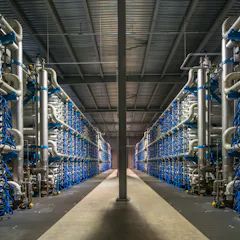
Nearly 97% of the world’s water is in the oceans, but desalination is no magic bullet for water-stressed coastal cities.
Top contributors
-

Associate Professor in Environmental Science, Western Sydney University
-
Honorary Professor, School of Natural Sciences, Macquarie University
-
Professor of Law, University of Kansas
-
Adjunct Professor, Global, Urban and Social Studies, RMIT University
-
Associate Professor of Civil and Environmental Engineering, University of Michigan
-
Academic Officer, Water Resource Management Unit lead, Institute for Integrated Management of Material Fluxes and of Resource (UNU-FLORES), United Nations University
-
Professor and Director of the Division of Environmental Health, School of Public Health (Retired), Georgia State University
-
Senior Scientist, Woods Hole Oceanographic Institution
-
Lecturer in Water Science & Engineering, University of Bath
-
Professor of Infectious Diseases and Microbiology, Australian National University
-
Associate Programme Officer, Institute for Integrated Management of Material Fluxes and of Resources (UNU-FLORES), United Nations University
-
Senior Scholar in Environmental & Geographical Science, University of Cape Town
-
Professor - Department of Plant and Soil Sciences and co-director of the Centre of Excellence in Food Security, University of Pretoria
-
Associate Professor of Civil, Construction and Environmental Engineering, Iowa State University
-
Professor of Classical Studies, Brandeis University