
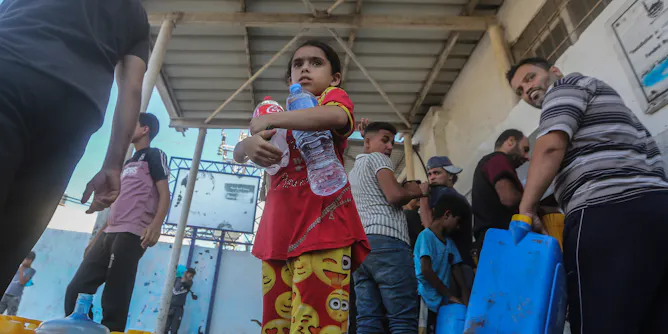
As the war between Hamas and Israel grinds forward, two experts explain how Israelis and Palestinians have cooperated to tackle their region’s water challenges.
Articles on Wastewater
Displaying 21 - 40 of 109 articles
To build drought resilence, Sydney must invest in rainfall-independent water supplies.

We need to pay close attention to the potential impacts that high levels of microplastics might have on environments and find ways to reduce microplastic levels in Canada’s wastewater stream.
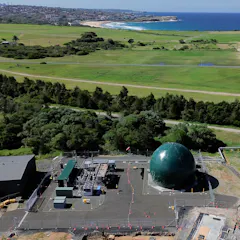
Sydney’s 14 wastewater treatment plants could be modified to also accept food waste, research shows. The ‘anaerobic digestion’ process would produce energy as well as nutrients for reuse.

The aim of vaccination is to prevent infection. In addition, vaccination is intended to reduce the risk of severe illness.
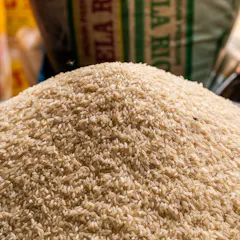
Nigeria can produce more rice to feed its burgeoning population by harnessing its wastewater.
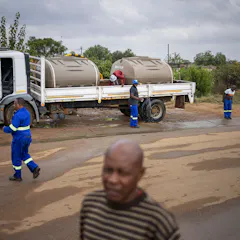
Good legislation has been undermined by poor planning, limited investment and governance, but recent water reports suggest the government recognises the scale of the problems.

We detected 180 contaminants in treated and untreated water. None of those found in treated water breached human health guidelines, but we should not forget about potential impacts on the environment.

The current cholera outbreak is not necessarily an issue with potable water. It’s the result of a combination of factors including dysfunctional and non-compliant wastewater treatment works.
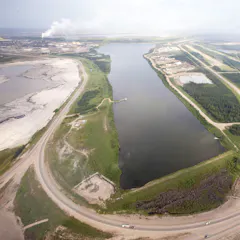
As toxic water continues to spill from tailings ponds across mining developments, decades of scientific research provides evidence of how wildlife will be affected.

Many of our rivers are overloaded with nutrients from fertiliser run off and wastewater. Algal blooms, fish kills and poor water follow. One solution? Nutrient offsetting.
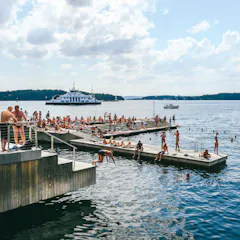
The UK needs to clean its rivers and coastlines, and could look to Europe for how to do it.

Technology will be a key part of solving the global water scarcity crisis.
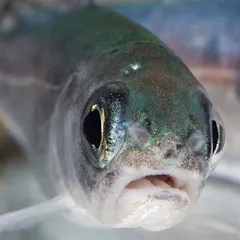
Neuroactive compounds in antidepressants enter our wastewater and affect how fish function. Identifying the potential damage to fish is paramount for protecting our aquatic ecosystems.

There simply aren’t enough water engineers in New Zealand for the massive Three Waters projects. Matching capacity with forward planning is an urgent issue the government must address.
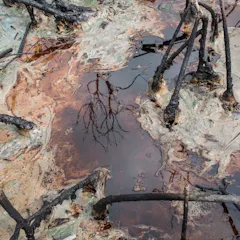
Adequate wastewater treatment systems are crucial to ensure that wastewater from the oil industry does less damage.
Twenty years ago this month the UN affirmed that water is a human right – can this help resolve the political stand-off over New Zealand’s Three Waters reforms?

Public health officials monitor sewage in local communities to track COVID, polio, flu and more. But no one asks the people being monitored for their permission – raising some questions and concerns.
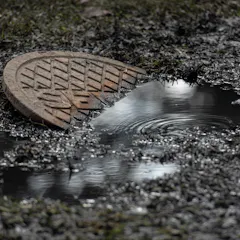
Congress has approved billions of dollars to fix water and sewer systems across the US. But getting that money to needy communities depends on how states define a key word.
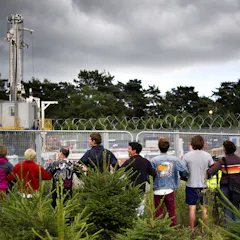
Fracking in the UK has a difficult history – economic theory suggests that whether fracking should occur is a simple case of consent and compensation.
Top contributors
-

Associate Professor in Environmental Science, Western Sydney University
-
Professor / Leader of the Environmental and Nanoscience Research Group, University of the Western Cape
-
Adjunct Professor, Global, Urban and Social Studies, RMIT University
-
Associate Programme Officer, Institute for Integrated Management of Material Fluxes and of Resources (UNU-FLORES), United Nations University
-
Professor and Head of School of Civil Engineering, University of Sydney
-
Researcher, University of Cape Town
-
Academic Officer, Water Resource Management Unit lead, Institute for Integrated Management of Material Fluxes and of Resource (UNU-FLORES), United Nations University
-
Assistant Professor, Department of Biology & School of Environmental Studies, Queen's University, Ontario
-
Associate Professor in Food Systems, The University of Melbourne
-
Senior Scholar in Environmental & Geographical Science, University of Cape Town
-
Executive Co-Director, UNU Hub on Empowering Communities to Adapt to Environmental Change, United Nations University; University of Calgary
-
Researcher in sustainable food systems, The University of Melbourne
-
Senior lecturer, Nelson Mandela University
-
Senior Lecturer: Water Quality Engineering, University of Cape Town
-
Associate Professor of Civil and Environmental Engineering, University of Maine