

In Oceanhamnen, wastewater is collected through three separate pipelines, making the processing and reuse of black and greywater more efficient.
Articles on Wastewater treatment
Displaying 1 - 20 of 26 articles
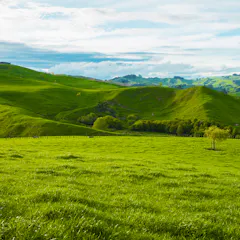
Research shows a phosphorus-rich compound found in wastewater raises uptake by plants and reduces discharge to waterways.
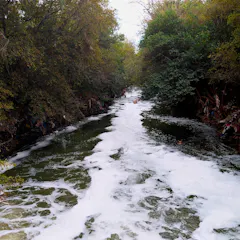
After harmful bacteria are removed by water treatment, the genetic information that enables antimicrobial resistance can persist.
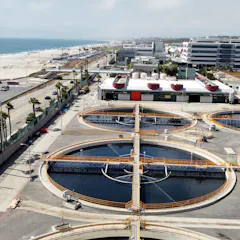
Desalination of seawater and sewage treatment plants leave behind water that contains high concentrations of salt, metals and other contaminants. What if that water could be separated from the rest?

Small plastic pellets, used in wastewater treatment facilities since the 1990s, are more than just plastic pollution – they carriy potentially dangerous bacteria.

Current science communications in Cape Town are not serving the public well.

South Africa’s rural wastewater treatment plants release polluted water if they aren’t maintained properly. Microalgae that purify the water could be a solution.

Medications degrade over time, meaning they may not work as intended once they reach and pass their expiry date.

Once these chemicals are in an environment they almost never break down.
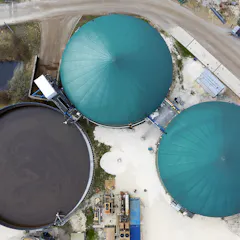
Integrating biogas, heat and floating solar panels on wastewater ponds could generate enough electricity to supply about 27% of households with renewable energy.

New research reveals how water containing the antidepressant Prozac affects male guppies, raising concerns about the health of aquatic ecosystems exposed to pharmaceutical pollution.

We sampled sewage sludge from 13 wastewater treatment plants across three states. We found every resident adds microplastics to farmland, in dried sewage sludge (biosolids) used as fertiliser.

Much like our gut microbes, the community of microbes used to process human waste must be healthy to do the job well. Monitoring the DNA in waste sludge can help us ensure the system stays healthy.

Water shortages are one of the greatest problems created by a warming world. A decentralized water system is a compelling counterargument to the notion that bigger is better.

Too much stormwater is disappearing down the drain. Here’s how our cities can make more of their last untapped water source.

We need to pay close attention to the potential impacts that high levels of microplastics might have on environments and find ways to reduce microplastic levels in Canada’s wastewater stream.
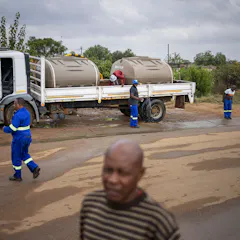
Good legislation has been undermined by poor planning, limited investment and governance, but recent water reports suggest the government recognises the scale of the problems.

The primary reasons for the systemic collapse include poor operation, defective infrastructure, the absence of disinfection chemicals, and lack of monitoring.

We detected 180 contaminants in treated and untreated water. None of those found in treated water breached human health guidelines, but we should not forget about potential impacts on the environment.

Technology will be a key part of solving the global water scarcity crisis.
Top contributors
-

Associate Professor and Water Management Expert, University of South Africa
-
Lecturer, Griffith University
-
Professor of Environmental Science, Griffith University
-
Postoctoral Researcher, School of Science, RMIT University
-
Associate Professor, Institute of Environmental Science, Carleton University
-
Postdoctoral Researcher in Environmental Engineering, Swedish University of Agricultural Sciences
-
Post-doctoral Fellow, Department of Biology, McMaster University
-
Postdoctoral Fellow, Department of Geography and Environmental Studies, Carleton University
-
Research Associate in Water and Environmental Engineering, Queensland University of Technology
-
Honorary Professor, School of Natural Sciences, Macquarie University
-
Assistant Professor of Civil, Construction and Environmental Engineering, Iowa State University
-
Emeritus Professor, School of Environment and Science, Griffith University
-
Professor, University of South Africa
-
Professor, University of the Western Cape
-
Postdoctoral researcher, Department of Physical Geography, Utrecht University