

Research has shown that the way a person moves helps us recognise their identity.
Articles on Walking
Displaying 21 - 40 of 183 articles
People hitting 7,000 daily steps had a 47% lower risk of dying prematurely than those managing just 2,000 steps.

The answer lies in the elegant biomechanics of how our bodies interact with this wonderfully simple machine.

For Austen’s heroines, independence often begins on foot.
The interval walking trend from Japan is gaining global attention.
Why walking matters more than you might think - especially as you age.
Why walking might be the closest thing we have to an elixir of life
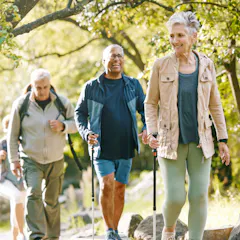
Study shows how small changes make a big difference when it comes to physical activity and reducing cancer risk.
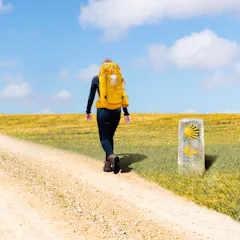
Retirement, relationship loss or major life decisions – your motives for making a pilgrimage affect your approach to technology.

Running doesn’t have to be all or nothing. Jeffing, the run-walk strategy developed in the 1970s, is helping people achieve their running goals.

Hot sunny days can make footpaths, bike lanes and city streets unbearable. If we want people to ditch the car, we’re going to need more trees, research shows.

Ghana’s cities pay little attention to the needs of walkers.

People want easy access to green spaces and shops and they don’t want to travel more than 20 minutes to get there – but women feel a lot less comfortable after dark.

Walking and cycling get 90c per person each year from the Australian government. What if that figure rose to $5, $10 or $15?

Wearing the wrong shoe on Earth can lead to injury. Researchers still need to figure out the physical consequences of spending a long time walking around on the Moon.
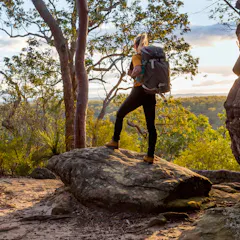
You don’t have to go to a specialist camping shop to buy healthy, energy-dense snacks for bushwalks. These three foods should do the trick.
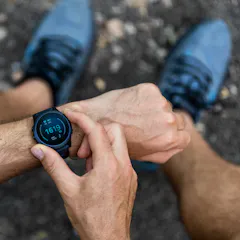
Our study found that tracking your exercise boosts mental wellbeing.
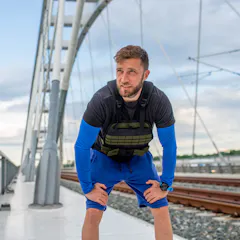
Adding extra weight makes the body work harder, as shown by increased oxygen needs, heart rate and energy burn.
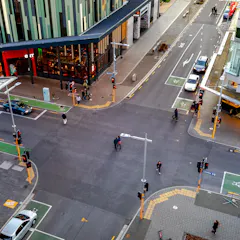
Encouraging walking, cycling and public transport use requires a cohesive, collaborative approach by all involved. The latest University of Canterbury travel survey shows how effective it can be.
Faster walking pace is a clear indicator of health in later life.
Top contributors
-

Adjunct Research Fellow, School of Human Sciences, The University of Western Australia
-
Senior Lecturer in Clinical Exercise Physiology, University of East London
-
Honorary Professor of Planning, The University of Queensland
-
Teaching Assistant Professor, University of Pittsburg and Visiting Associate Professor, The University of Osaka, University of Pittsburgh
-
Reader in Exercise and Health Physiology, University of Hertfordshire
-
PhD Candidate, School of Population Health, UNSW
-
Associate Professor in Urban Planning, The University of Queensland
-
Professor of Human Geography, The University of Queensland
-
Distinguished Professor and Director, Urban Futures Enabling Capability Platform, and Director, Healthy Liveable Cities Group, RMIT University
-
Professor of Physical Activity, Lifestyle, and Population Health, University of Sydney
-
Associate professor, UCL
-
Senior Lecturer, University of Environment and Sustainable Development
-
John Rennie Short is a Friend of The Conversation.
Professor Emeritus of Public Policy, University of Maryland, Baltimore County
-
Professor of Transport Technology and Sustainability, Swinburne University of Technology
-
Adjunct Professor, School of Public Health, Curtin University