
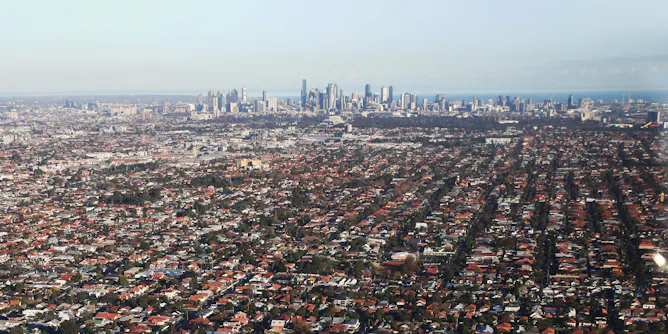
Despite adopting the goal of creating medium-density neighbourhoods to end urban sprawl, our cities have struggled to achieve it. Confused debates about ‘good density’ are part of the problem.
Articles on Urban planning
Displaying 121 - 140 of 694 articles
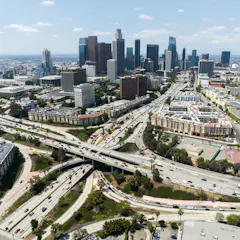
An analysis by scholars at the University of California, Davis showed that just a small number of cities in California actively consider racism when developing their plans.

COVID-19-related support only reduced the negative impact of the pandemic on financial capital, and not on the other forms of capital

Post-pandemic pressures are compounding stresses cities were already facing, leading to the hollowing out of some American cities.
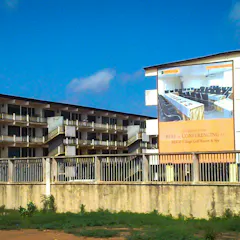
Ghana’s housing deficit needs immediate attention.
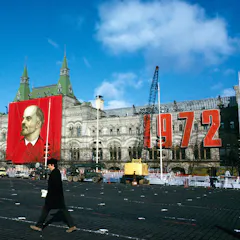
A monumental book, newly translated into English, describes in painstaking, archeological detail, how the socialist project transformed the spaces in which Soviet citizens lived.
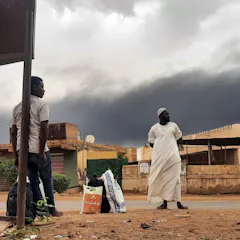
The interplay between diversity and urban planning in Sudan has created vibrant cityscapes, but also led to segregation and division.
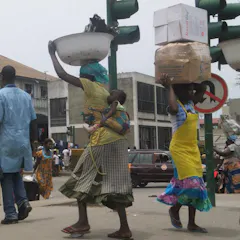
The city of Accra has no plan to tackle pedestrians’ behaviour.

A project to upgrade a high school playing field led to a book on how to inspire more young people to pursue careers as urban planners.
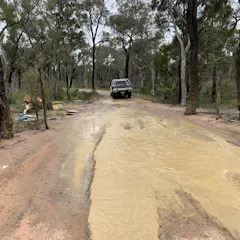
Local Aboriginal Land Councils are some of the largest private landowners in NSW. Making it easier for them to develop their land will benefit Indigenous communities and the rest of the public.
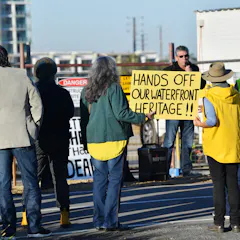
YIMBYs and NIMBYs agree on one thing – they both want to live in desirable heritage neighbourhoods. And despite heritage being blamed for lack of new housing in these areas, it’s not the real issue.
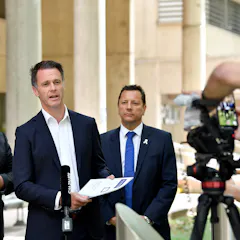
The centralisation of planning power is exactly what Sydney doesn’t need. While not perfect, the commission broke the mould of top-down, siloed planning and broadened the focus across the whole city.
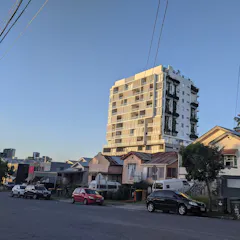
Simply rezoning land for higher density is not enough to achieve the planning goal of transforming low-density and car-centric neighbourhoods into mixed-use and walkable neighbourhoods.
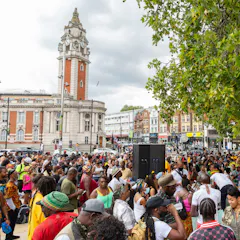
When a community is involved in how their spaces are developed, these can foster a sense of belonging and make diverse societies more cohesive.
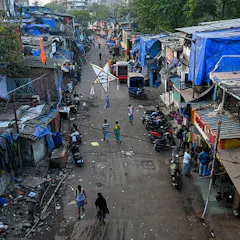
Cities are where solutions are found – but also where perils are amplified when we fail to act.
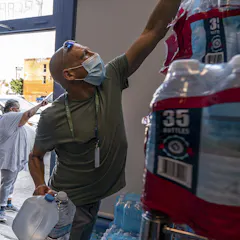
A new report lays out steps communities can take to help their residents survive heat waves as the risk of dangerous temperatures rises.

A public survey found 86% of people want more space for nature in the city. The city council is already taking steps to add green space and increase biodiversity, which should boost public wellbeing.

Art can help anchor places even as they are reshaped.
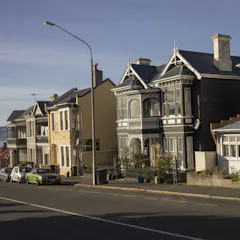
Pressure for more housing often runs up against a desire to preserve urban heritage areas. International best practice offers ways to navigate the impasse.

New Zealand’s Medium Density Residential Standards already didn’t go far enough. But by abandoning bipartisan support for them, National risks throwing the baby out with the bathwater.
Top contributors
-

Professor of Human Geography and Planning, University of Tasmania
-
Senior Lecturer in Urban and Environmental Planning, Griffith University
-
Head of Urbanism and Associate Professor of Urban Studies, School of Architecture, Design and Planning, University of Sydney
-
Associate Professor of Urban Planning, The University of Melbourne
-
Professor of Planning, School of Built Environment, UNSW
-
Associate Professor in Urban Planning, The University of Queensland
-
Professor of International Planning, Centre for Urban Research, RMIT University
-
Associate Professor in Urban and Regional Planning, University of Sydney
-
Teaching Assistant Professor, University of Pittsburg and Visiting Associate Professor, The University of Osaka, University of Pittsburgh
-
Associate professor, UNSW International Centre for Future Health Systems, UNSW
-
Honorary Professor of Planning, The University of Queensland
-
Senior Lecturer in Urban Planning & Design, Monash University
-
Professor of Sustainability, Curtin University
-
Senior Lecturer, University of Environment and Sustainable Development
-
Professor, City Futures Research Centre, UNSW