
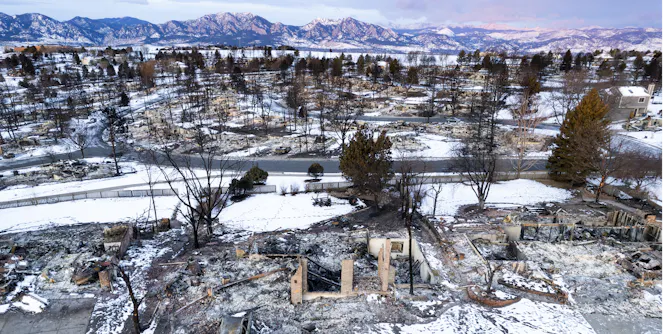
As more people move into high fire-risk areas, an architect explains what to do to keep properties as safe as possible.
Articles on Urban planning
Displaying 201 - 220 of 694 articles
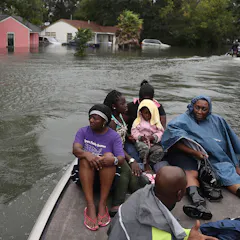
A street-by-street analysis shows where the risks are rising fastest and also lays bare the inequities of who has to endure America’s crippling flood problem.
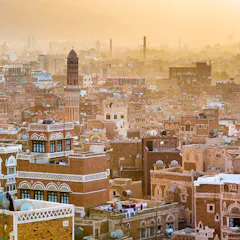
Naturalistic thinking has long helped humanity grapple with complex urban predicaments. What role can it play today?

A new approach to urban planning is needed to restore hope in African cities. There are three keys that can help unlock this.
important decisions must be made today for urban greening programs to succeed in a warmer world.

Income, accessibility, the presence of green space and the availability of amenities are neighbourhood features that affect how COVID-19 has spread through cities.
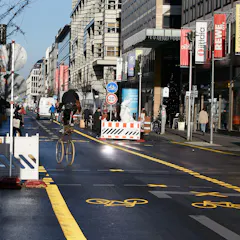
Residents across the world have seen how the pandemic has ushered in changes – shall and big – to the way their cities look and function.

These books offer insights into building better cities, the stories behind major inventions, and the interaction between humans and machines.
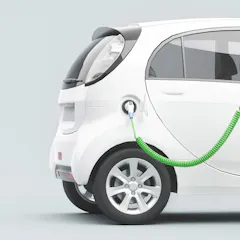
Electric cars are hailed as the best way to cut transport emissions, but it’s an illusion to think we can reduce our environmental impact without changing the way we design and move about in cities.
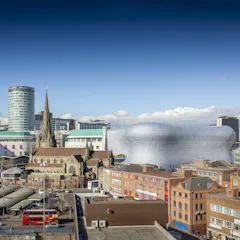
When it comes to ring roads, Birmingham has a poor track record. Can the city’s new transport plan buck that trend and benefit both its inhabitants and the environment?

Humanity’s biggest challenges are not technical, but social, economic, political and behavioural. Effective actions are still possible to stabilise the climate and the planet, but must be taken now.
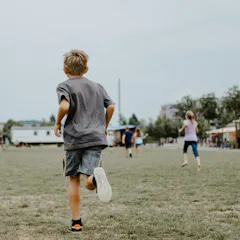
In cities across Europe, 62% of the population doesn’t have access to the amount of nature the World Health Organisation recommends.
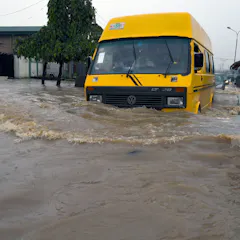
Flooding constitutes a threat to Nigeria achieving the global sustainable development goals.
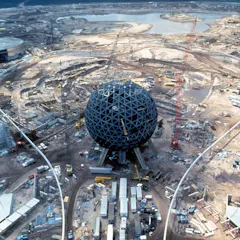
Imagining new kinds of places to live is an American tradition.
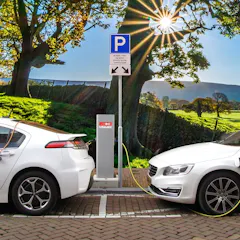
Electric vehicles are poised to take over our roads: so how do we make sure this change doesn’t exacerbate social and energy inequality?

Images of water gushing into subway stations filled social media following heavy rain in New York City. Solutions are at hand – but it takes money and political will, an expert explains.
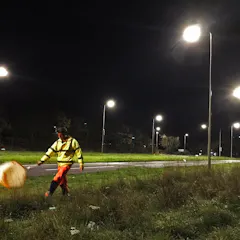
The increasing prevalence of white LED streetlamps spells worrying population declines for insects like moths.
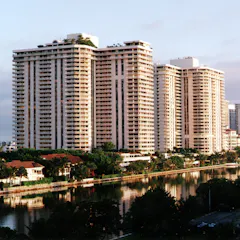
Following the deadly collapse of a condo high-rise in Florida, a historian of this kind of housing explains how it offers a sense of community that many people seek.
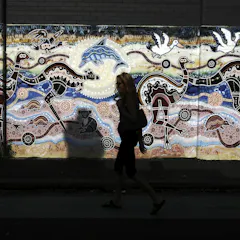
Reducing transport inequality and improving walkability in Indigenous communities are necessary to help close the health and social gap.
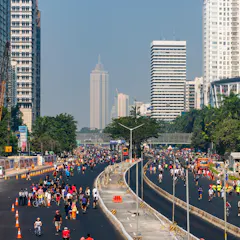
The way we build our cities is adversely affecting our health, and, in particular, our hearts. Thinking of urban planners as health professionals could change that
Top contributors
-

Professor of Human Geography and Planning, University of Tasmania
-
Senior Lecturer in Urban and Environmental Planning, Griffith University
-
Head of Urbanism and Associate Professor of Urban Studies, School of Architecture, Design and Planning, University of Sydney
-
Associate Professor of Urban Planning, The University of Melbourne
-
Professor of Planning, School of Built Environment, UNSW
-
Associate Professor in Urban Planning, The University of Queensland
-
Professor of International Planning, Centre for Urban Research, RMIT University
-
Associate Professor in Urban and Regional Planning, University of Sydney
-
Teaching Assistant Professor, University of Pittsburg and Visiting Associate Professor, The University of Osaka, University of Pittsburgh
-
Associate professor, UNSW International Centre for Future Health Systems, UNSW
-
Honorary Professor of Planning, The University of Queensland
-
Senior Lecturer in Urban Planning & Design, Monash University
-
Professor of Sustainability, Curtin University
-
Senior Lecturer, University of Environment and Sustainable Development
-
Professor, City Futures Research Centre, UNSW