
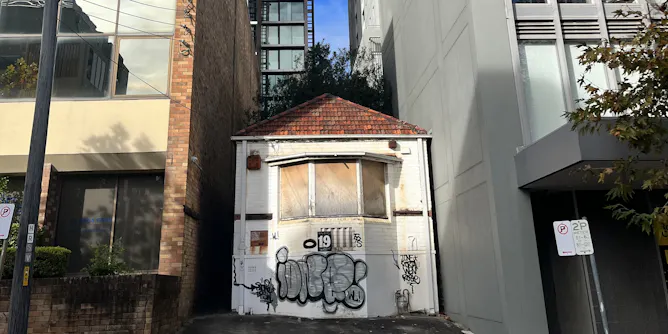
Healthy planning debates shape our cities for the better and should not exclude anyone based on crude characterisations of their motives.
Articles on Urban planning
Displaying 81 - 100 of 694 articles
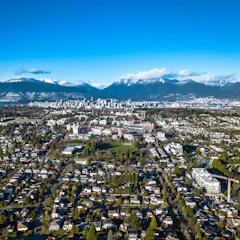
Neighbourhood planning with community engagement is now treated as a barrier to better cities. For disadvantaged neighbourhoods, this shift threatens to perpetuate inequities.

Large banditry and terror attacks were relatively rare in Lagos and other parts of Nigeria’s south-west region until recently.

Current construction approaches are too slow to achieve the ambitious national housing target. But there’s a proven alternative building technology that’s more efficient, faster and greener.

Access to nature is provenly beneficial. Yet the UK’s urban green spaces are poorly funded and are vulnerable to local government budget cuts.

Two recent research documents provide a substantial basis for assessing how the draft policy shapes up and identifying where it falls down.
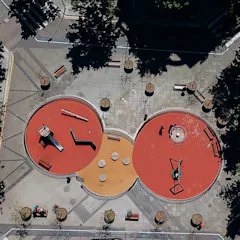
New Zealand tends to focus on big infrastructural projects such as tunnels or light rail to change cities. But there are cheaper ways to add public spaces to urban design.
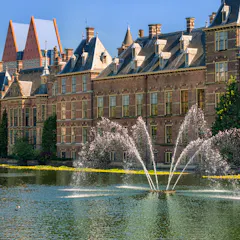
From special paving to green walls, the recent Cool Towns project highlights the best ways to protect urban areas, and the people living there, from the effects of heatwaves.
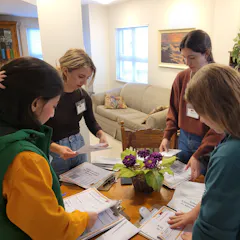
Before we draw conclusions about the implications of social isolation, we should check our expectations of how, when and why neighbouring does or does not happen.

Urban policy needs to look beyond housing development and address the land ownership patterns that underpin our cities.

Infill development is patchy across Australian cities, as is its quality. Bigger and better projects are needed to hit planning targets and reduce urban sprawl.
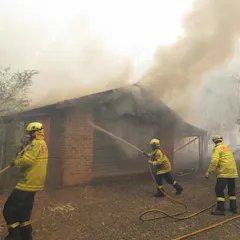
Buildings can be engineered to resist bushfires, but we can’t engineer the many aspects of human behaviour and decision-making that will still put lives at risk.
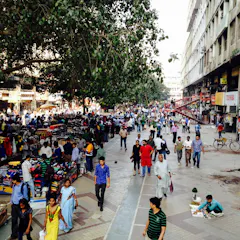
Contemporary characterisations of squatters and street vendors as a “nuisance” reproduces colonial urbanism ideas of hygiene and order.

Too often government policy is not designed with the long-term in mind. Instead, short-term economic outcomes and political gains are prioritised - to the detriment of public health.
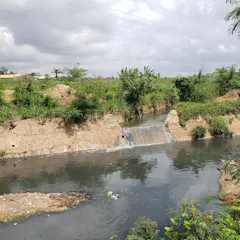
The inability of city authorities to enforce land-use regulations has allowed people to carry out ecologically unfriendly activities along the water bodies.

Paying for your parking via an app promises ease and efficiency. But we are entering a bargain with unclear terms around data privacy and public revenue.
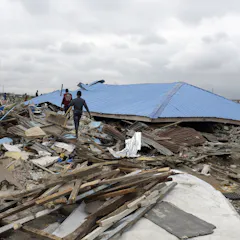
Resistance from the residents of informal settlements against housing evictions is not a new thing in Lagos, Nigeria.
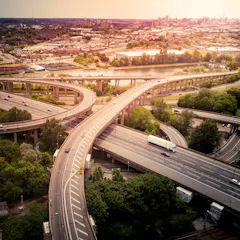
Conspiracy theories about urban planning are born of a national context in which public transport provision is failing
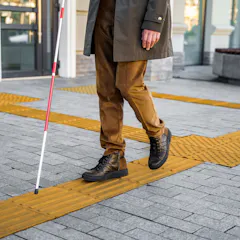
Decades of activism have resulted in legislation and infrastructure to make cities more accessible, but the lived experiences of disabled residents shows there’s still a long way to go.

Australia’s housing crisis shows no sign of abating, but planning reforms to increase supply is only part of the solution.
Top contributors
-

Professor of Human Geography and Planning, University of Tasmania
-
Senior Lecturer in Urban and Environmental Planning, Griffith University
-
Head of Urbanism and Associate Professor of Urban Studies, School of Architecture, Design and Planning, University of Sydney
-
Associate Professor of Urban Planning, The University of Melbourne
-
Professor of Planning, School of Built Environment, UNSW
-
Associate Professor in Urban Planning, The University of Queensland
-
Professor of International Planning, Centre for Urban Research, RMIT University
-
Associate Professor in Urban and Regional Planning, University of Sydney
-
Teaching Assistant Professor, University of Pittsburg and Visiting Associate Professor, The University of Osaka, University of Pittsburgh
-
Associate professor, UNSW International Centre for Future Health Systems, UNSW
-
Honorary Professor of Planning, The University of Queensland
-
Senior Lecturer in Urban Planning & Design, Monash University
-
Professor of Sustainability, Curtin University
-
Senior Lecturer, University of Environment and Sustainable Development
-
Professor, City Futures Research Centre, UNSW