
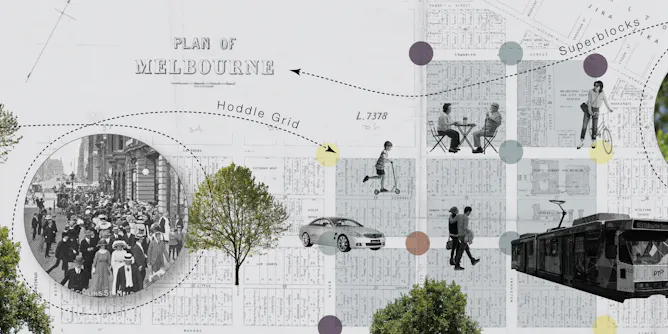
The Hoddle Grid that dictates the flow of vehicles and people in central Melbourne has had its day. It can be remade to reduce the dominance of cars and create a liveable city for the 21st century.
Articles on Urban planning
Displaying 161 - 180 of 694 articles
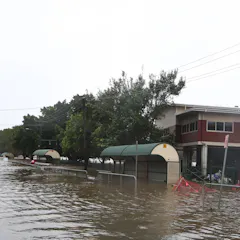
COP27 wraps up with Solutions Day, focusing on sustainable cities and transport, green buildings and resilient infrastructure. Climate-related disasters show the urgency of urban planning responses.
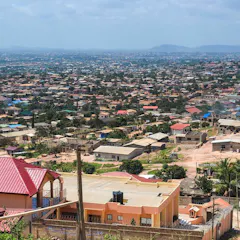
Ghanaian urban and development planners need to move away from looking up to examples of innovations from the global north.
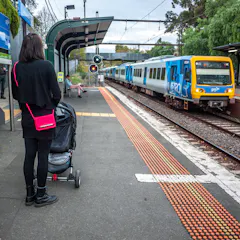
The layouts of our cities and their transport systems were not planned with women in mind. Inflexible services and inconveniently located schools, childcare and workplaces pose daily challenges.

Shade, street furniture, streetscapes – they all matter when it comes to making a footpath appealing.
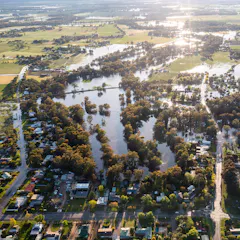
Local councils are on the front line in a planning system that lacks an up-to-date planning framework to properly assess flood risks and prepare responses.
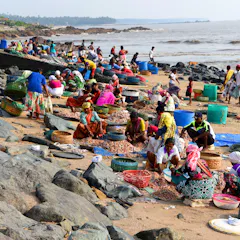
Facing human threats, Mumbai’s Koli community are taking risk reduction into their own hands – other vulnerable coastal settlements should take note.

The first chief heat officers appointed in Australia are part of a global partnership that’s responding to the dangers of rising city temperatures and the need to manage the risks.
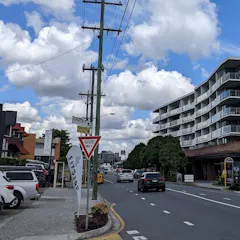
The zoning policies that planners introduced to create vibrant and resilient mixed-use neighbourhoods have had the opposite effect, as services and residential developments crowd out light industry.

Growing fresh produce on the outskirts of a city reduces food miles and increases food security. But the foodbowls next to our our big cities are fast losing their land to urban growth.

Akinlawon Ladipo Mabogunje was Nigeria’s first professor of geography. He has died at 90.
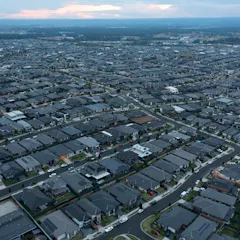
A fast-growing population – 50% bigger than it was in 1990 – is causing, directly or indirectly, all of Australia’s serious environmental problems. These impacts must be central to decision-making.
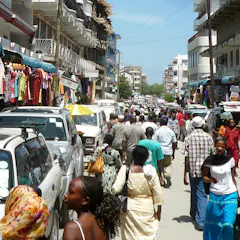
Informal workers are victims of the smart city drive in Africa.
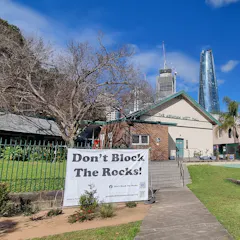
A bid to amend plans for the final stage of the Barangaroo project would once again favour developers’ interests over the public interest. It shows how badly the planning process has been undermined.

On paper, swapping gas-guzzling trucks for bikes may sound like an appealing option for greening e-commerce. However, there are sizeable obstacles to implementing this in cities.

Our cities are filled with historical infrastructure long past its first usage. New ways of thinking about urban planning though can turn them into much needed green spaces.

Before the pandemic, our cities had a simple plan: let population growth drive economic activity. But the world is changing and the perpetual growth mindset has to change with it.

Seeing Japanese parents send toddlers out on their own to do errands has shocked viewers. But not that long ago our neighbourhoods were also child-friendly, and we can make them so again.

Ad hoc, lot-by-lot efforts to house more people in our ageing suburbs are failing to increase liveability and sustainability. Our cities need strategic, precinct-scale regeneration.
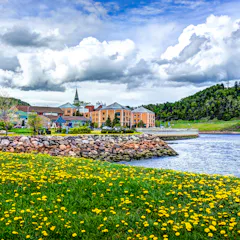
The sustainable and inclusive development of the St. Lawrence River is essential. A prolonged laissez-faire attitude will have harmful consequences on people and the environment.
Top contributors
-

Professor of Human Geography and Planning, University of Tasmania
-
Senior Lecturer in Urban and Environmental Planning, Griffith University
-
Head of Urbanism and Associate Professor of Urban Studies, School of Architecture, Design and Planning, University of Sydney
-
Associate Professor of Urban Planning, The University of Melbourne
-
Professor of Planning, School of Built Environment, UNSW
-
Associate Professor in Urban Planning, The University of Queensland
-
Professor of International Planning, Centre for Urban Research, RMIT University
-
Associate Professor in Urban and Regional Planning, University of Sydney
-
Teaching Assistant Professor, University of Pittsburg and Visiting Associate Professor, The University of Osaka, University of Pittsburgh
-
Associate professor, UNSW International Centre for Future Health Systems, UNSW
-
Honorary Professor of Planning, The University of Queensland
-
Senior Lecturer in Urban Planning & Design, Monash University
-
Professor of Sustainability, Curtin University
-
Senior Lecturer, University of Environment and Sustainable Development
-
Professor, City Futures Research Centre, UNSW