
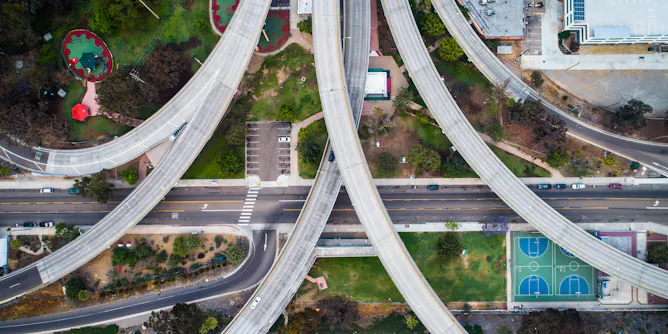
From lit-up orbs to bland office blocks, cities are full of buildings that people do or do not like. What really shapes how they live – for better or for worse – is urban planning.
Articles on Urban planning
Displaying 101 - 120 of 694 articles
The four Cs – convenience, choice, competitive prices and COVID-19 – will decide the retail battle and how it affects the structure and function of our cities.
Pattern book housing has been proposed as a way to speed up housing supply in New South Wales. It certainly worked in the past.
An interdisciplinary group of researchers at Penn State ran computer models on two Philadelphia census tracts. The neighborhood with more vulnerable residents was also hotter.

The Canadian federal government is pursuing the idea of “smart cities,” but in the wrong way.
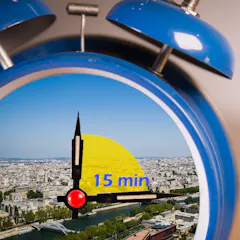
The idea of the 15-minute city has become popular globally. But this approach relies on ableist assumptions and doesn’t reflect inclusive urban design.
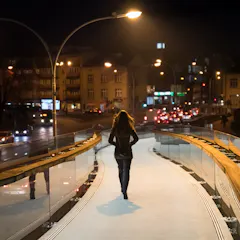
Women are most likely to feel unsafe in their cities or towns, but planning authorities have rarely listened to them. Here’s what we can do to change that.
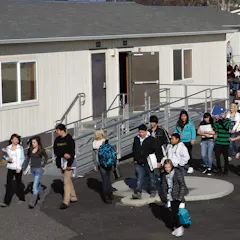
Normalizing temporary structures as permanent educational facilities undermines the goal of providing quality public education to all children.
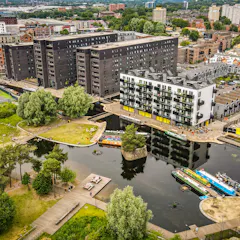
The UK government aims to enforce beauty through the planning system’s design codes. But intangible qualities like beauty are best achieved by challenging architects – not constraining them.
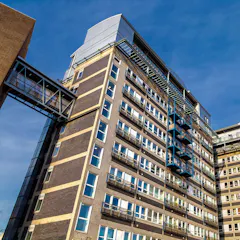
Removing local authorities’ ability to oversee how the built environment changes will not solve the housing crisis. In fact, it might make inequality worse.

These popular street ornaments speak to a 1960s urban planning philosophy as well as to the commodification of nostalgia.

Whether you call them rotaries, traffic circles or roundabouts, they offer a safer alternative to the four-way stop. But the modern roundabout has been decades in the making.

So showy and ubiquitous, jacarandas can be mistaken for natives, but they originate in South America, and were introduced to Australia in the 19th century.
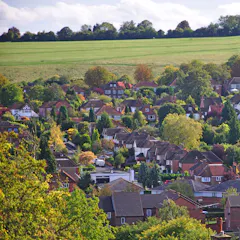
The way we develop urban peripheries is central to tackling both the housing crisis and the climate emergency.
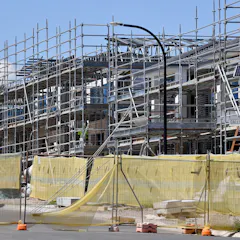
Bypassing planning regulations is likely to have impacts on social inequity and wellbeing that could prove very costly for both governments and people.
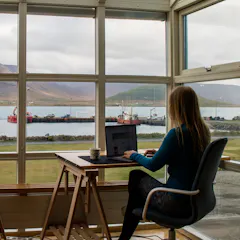
Working from home is more than avoiding traffic; it’s reshaping cities and saving the planet. Discover how this trend impacts your world.
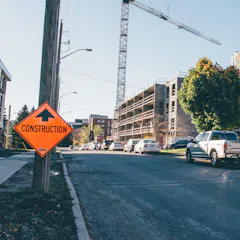
Local governments have far too often been let off the hook for approaches that discreetly limit where students may live.
A controversial new city project in northern California has echoes of past utopian plans – but idealism and commercial reality have always been uneasy partners.
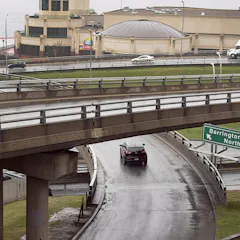
African Nova Scotians have historically suffered the negative consequences of urban redevelopment. New projects in Halifax must involve genuine engagement with racialized communities.
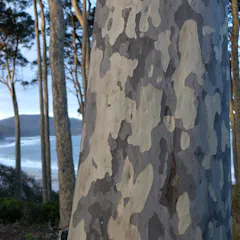
Tall. Straight. Abundant flowers. And a stunning trunk. What’s not to like about the spotted gum?
Top contributors
-

Professor of Human Geography and Planning, University of Tasmania
-
Senior Lecturer in Urban and Environmental Planning, Griffith University
-
Head of Urbanism and Associate Professor of Urban Studies, School of Architecture, Design and Planning, University of Sydney
-
Associate Professor of Urban Planning, The University of Melbourne
-
Professor of Planning, School of Built Environment, UNSW
-
Associate Professor in Urban Planning, The University of Queensland
-
Professor of International Planning, Centre for Urban Research, RMIT University
-
Associate Professor in Urban and Regional Planning, University of Sydney
-
Teaching Assistant Professor, University of Pittsburg and Visiting Associate Professor, The University of Osaka, University of Pittsburgh
-
Associate professor, UNSW International Centre for Future Health Systems, UNSW
-
Honorary Professor of Planning, The University of Queensland
-
Senior Lecturer in Urban Planning & Design, Monash University
-
Professor of Sustainability, Curtin University
-
Senior Lecturer, University of Environment and Sustainable Development
-
Professor, City Futures Research Centre, UNSW