
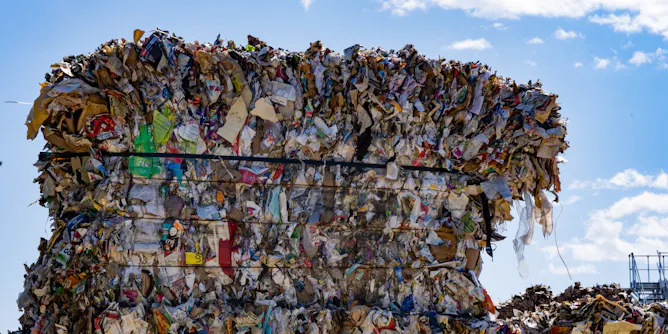
We don’t recycle enough! Cities, as the main sources of consumption and waste production, are strategically positioned to reverse this trend.
Articles on Urban planning
Displaying 61 - 80 of 694 articles

VR offers many opportunities for architects to design and communicate their work, and also for architectural learning and public consultation.
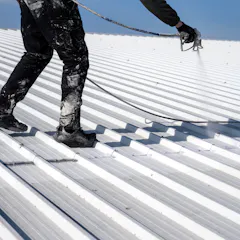
Light-coloured footpaths, roads and other surfaces are increasingly used to reflect the sun’s rays and cool our cities. But they also reflect cancer-causing UV radiation.
A new form of public-private partnership is reshaping urban landscapes: Community-centered, public-private partnerships, or CP3s.
A global study found only 16% of local governments using AI systems had public facing policies about what they were doing.

To create inclusive, sustainable communities, we must challenge the restrictive boundaries that confine children’s experiences.

Have you heard of the 3+30+300 rule for urban forestry? See how Melbourne and Sydney compare to New York, Denver, Seattle, Buenos Aires, Amsterdam and Singapore on trees, canopy and park proximity.
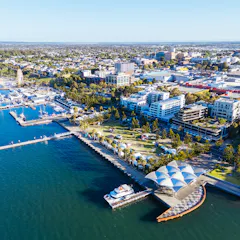
The rapid growth of our capital cities is creating all sorts of problems. Dispersing growth across regional city networks could ease these growth pains and make our cities more sustainable.

Tree and bird diversity has been linked to a number of positive mental health outcomes. It is time that urban planners interested in human well-being take biodiversity into account.

Successful programs overseas have been highly targeted, financially innovative and used planning systems and public land to provide essential workers with housing they can afford.

Ontario’s focus on car-centric development without other investments in community will not improve the quality of life for Ontarians.

Better urban planning can help stem the loss of birds by protecting and connecting the areas of habitat they need to survive.
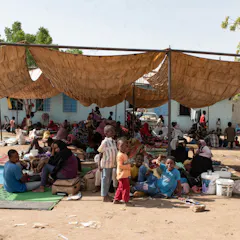
Sudan is the site of one of the world’s worst humanitarian crises, with around 25 million people in need of urgent assistance.
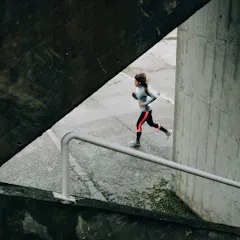
Even the type of street trees planted in a city can make a huge difference.
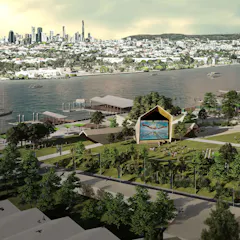
Brisbane is aiming to be the first Olympic Games host to make carbon savings greater than the emissions the event produces. That’s easier said than done, so what’s the plan to achieve this goal?

They’re not what many of us imagine when we think of schools, but building them vertically could make our cities better for everyone.

While trees are beautiful and benefit the environment, the most practical argument for planting more is that they provide a clear public health benefit, both in the preventive and therapeutic sense.
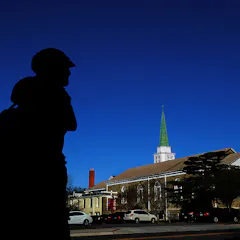
Many houses of worship no longer need as much space as they once did, or struggle to keep up with the bills. For some, redevelopment to include housing provides a new way to live out their mission.

The term stroad is portmanteau of street and road. Stroads try to be both a thoroughfare for vehicles, and a place for people. Typically they fail at both, and the result is unpleasant for everyone.
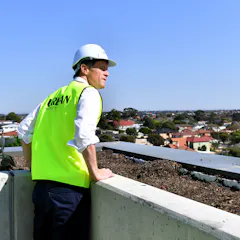
Planning for residents’ needs must be done well in advance to ease public fears about new high-density housing projects lacking open space for recreation.
Top contributors
-

Professor of Human Geography and Planning, University of Tasmania
-
Senior Lecturer in Urban and Environmental Planning, Griffith University
-
Head of Urbanism and Associate Professor of Urban Studies, School of Architecture, Design and Planning, University of Sydney
-
Associate Professor of Urban Planning, The University of Melbourne
-
Professor of Planning, School of Built Environment, UNSW
-
Associate Professor in Urban Planning, The University of Queensland
-
Professor of International Planning, Centre for Urban Research, RMIT University
-
Associate Professor in Urban and Regional Planning, University of Sydney
-
Teaching Assistant Professor, University of Pittsburg and Visiting Associate Professor, The University of Osaka, University of Pittsburgh
-
Associate professor, UNSW International Centre for Future Health Systems, UNSW
-
Honorary Professor of Planning, The University of Queensland
-
Senior Lecturer in Urban Planning & Design, Monash University
-
Professor of Sustainability, Curtin University
-
Senior Lecturer, University of Environment and Sustainable Development
-
Professor, City Futures Research Centre, UNSW