

Citizens don’t just respond to disasters. They also respond to how governments manage them.
Articles on T&F research
Displaying 21 - 40 of 600 articles

The Oromo place great emphasis on relationships, mutual care and responsibility towards others.
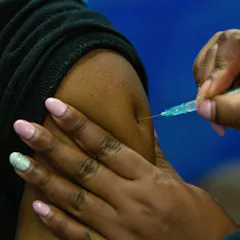
Different social realities lead to different forms of vaccine hesitancy.

The only interventions capable of disrupting xenophobia are those that lower, or ideally eliminate, its political, economic and social benefits.
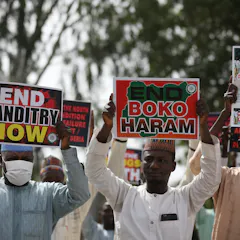
Banditry is widespread in Nigeria but knowledge about its character and nature is limited.
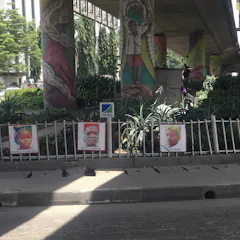
When armed groups use child recruitment or sexual violence, the impact of conflict on schooling is much more severe than in conflicts without these tactics.

Understanding what drives recruitment into these academies is not a defence of fraud. It is a precondition for dismantling it.

The World Cup is selling football as inclusive and diverse. It’s not so for the African players migrating to play overseas.
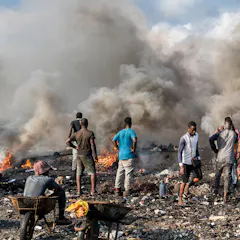
In Agbogbloshie, Ghana, thousands of young women and men burn electronic waste to extract minerals at a cost to their health. They need more protection.
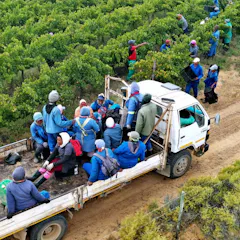
Global supply chains lead to companies capturing most of the value, while suppliers – and especially workers – get a much smaller share.
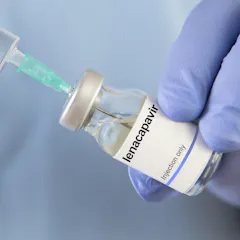
Targeting men who move around for work is crucial for the success of a new HIV/Aids treatment.
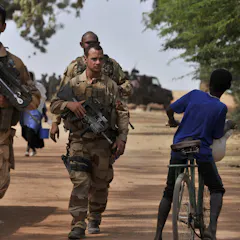
After more than a decade, external security intervention has left the Sahel region more fragmented, militarised and violent.
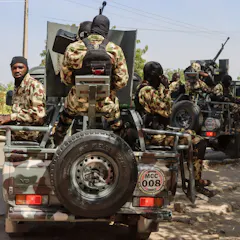
Located in the same Sahel region and threatened by similar jihadist insurgents, Nigeria has some lessons to learn from Mali.

Urban design depends heavily on human judgment and field-based understanding.

Misfluencers fuel the spread of misinformation by being a perceived as a trustworthy source of information.
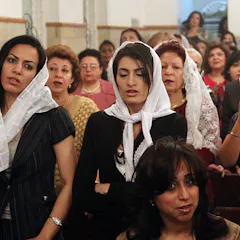
Understanding genetics can help explain differences in disease susceptibility across populations, informing medical research and public health strategies.

These little predators are on tiny missions to seek and destroy mosquitoes, especially ones full of blood.
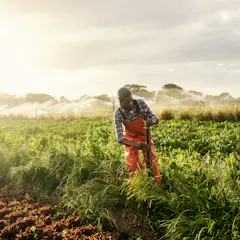
Thousands of hectares of communal land set aside for smallholder farmers’ use in South Africa are lying fallow because of collapsed government irrigation systems.

Foreigners have been shaping Ghana’s built environment for centuries.
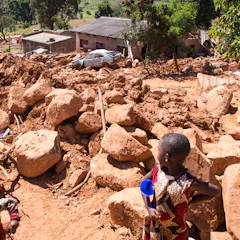
Disaster recovery agencies and governments must pay more attention to survivors’ invisible losses: grief, broken communities and disrupted identities.
Top contributors
-

Research Associate, African Centre for Coastal Palaeoscience, Nelson Mandela University
-
Extraordinary Professor, Department of Political Sciences, University of Pretoria
-
Associate Professor, Khalifa University
-
Visiting Fellow, Mannheim Centre for Criminology, London School of Economics and Political Science
-
Senior researcher, Arnold Bergstraesser Institute
-
Associate Professor of International Relations, University of Trieste
-
Professor of Environmental Science, University of South Africa
-
Associate professor in Politics and International Relations, Leeds Beckett University
-
Professor of Political Science and Chair of the South African Research Initiative in Gender Politics, Stellenbosch University
-
Teaching Assistant, University of Aberdeen
-
Professor of Comparative Politics, University of Warwick
-
Distinguished visiting professor, University of Glasgow
-
Research Fellow, Rhodes University
-
Senior lecturer, University of Ghana
-
Assistant Professor, University College Dublin