
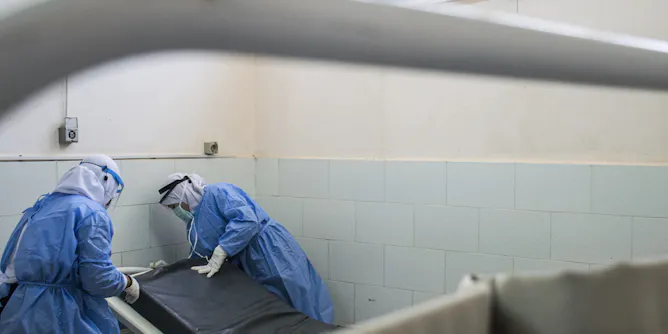
Investments are starting to help grow the African continent’s science preparedness.
Articles on Sub-Saharan Africa
Displaying 61 - 80 of 184 articles

Road and rail construction is booming in sub-Saharan Africa, but the pandemic has brought a welcome pause for reflection.
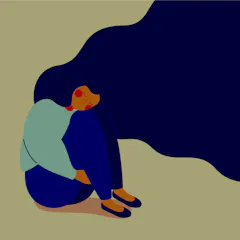
In many sub-Saharan African countries, 20% of mothers have suffered the death of a child, a new study finds. In Mali, Liberia and Malawi, it’s common for mothers to lose two children.
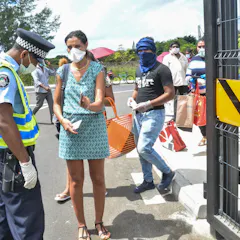
Mauritius preserved its social welfare system even during structural reforms in the 1970s. It is now better prepared than most nations for the health and economic impact of COVID-19.
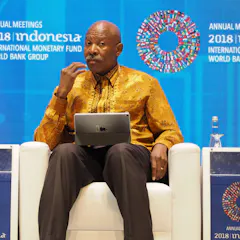
The IMF/World Bank spring meetings offer Africa an opportunity to put on the table what it needs to mitigate the impact of COVID-19.
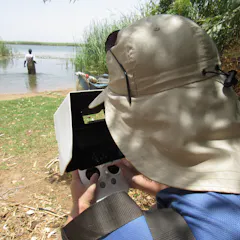
Schistosome worms infect hundreds of millions of people worldwide. Researchers have discovered how to use inexpensive drones to identify disease hotspots in remote African villages.

As smartphone uptake and connectivity grows in Africa, so does the often unhealthy trend of young people betting on sports using their phones.

We found that the key factors behind poor cognitive function were related to levels of education, being a woman, marital status and being poor.
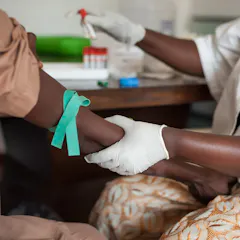
Healthcare workers in sub-Saharan Africa lack access to laboratory diagnostics and often have to guess which antibiotics to use for presumed infections.

Water is crucial to the spread of malaria because mosquitoes breed and lay their eggs in or near bodies of water.
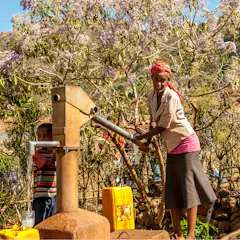
Good news – underground aquifers could be a reliable source of drinking water in sub-Saharan Africa even as the climate warms.

Data science, led by Africa-based scientists, could play a key role in addressing all of the continent’s crucial needs.
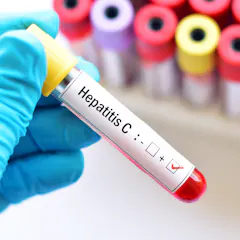
Many countries in sub-Saharan Africa have made vaccination and post-infection therapy available. But the number of those infected annually and dying from viral Hepatitis continues to be high.

African countries need to take into account the effects environmental changes, like climate change, have on their ability to deal with food security, poverty reduction and lowering mortality rates.
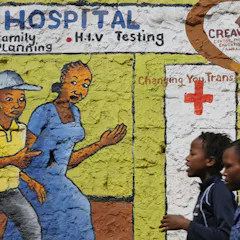
The government needs to revise national guidelines to better target PrEP at those that would most benefit from it.

Natural resources are an important factor in explaining why some rebel groups forcibly recruit children into their ranks.

Progress against malaria has stalled. There’s been an increase in the number of cases reported since 2015.
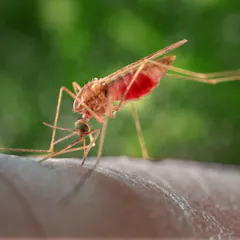
Given the high burden of malaria in sub-Saharan Africa, a partially effective vaccine is considered better than none.
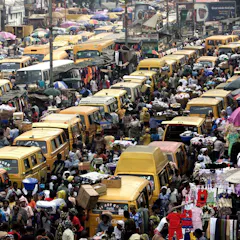
Urban adaptation to climate change is more effective where local citizens participate.
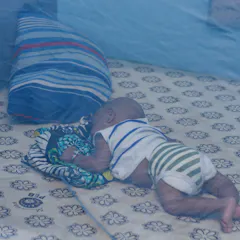
The experience from African experts is vital in the search for new and better ways to control malaria.
Top contributors
-

Extraordinary Professor, Global Health, Stellenbosch University; South African Medical Research Council
-
Professor of Pharmacy, University of Tasmania
-
Professor of the Practice of International Development, Harvard Kennedy School
-
Professor, School of Public Health, University of Gothenburg Sweden, University of the Witwatersrand
-
Editor-in-Chief of the South African Journal of Science and Consultant, Vice Principal for Research and Graduate Education, University of Pretoria
-
Associate professor, University of Canberra
-
sociologue (Institut des mondes africains), École des Hautes Études en Sciences Sociales (EHESS)
-
Assistant professor, The Education University of Hong Kong
-
Teaching Assistant Professor, University of Pittsburg and Visiting Associate Professor, The University of Osaka, University of Pittsburgh
-
Professor of medicine and deputy director of the Desmond Tutu HIV Centre at the Institute of Infectious Disease and Molecular Medicine, University of Cape Town
-
Distinguished visiting professor, University of Glasgow
-
Director of the Africa Centre for Population Health and Professor of Virology, University of KwaZulu-Natal
-
Research Active Lecturer, Discipline of Psychology, Charles Darwin University, Charles Darwin University
-
Professor, Institute of African Studies, University of Leipzig
-
Research Scientist, African Population and Health Research Center