

Researchers are only beginning to understand the impact of pollution and increased temperatures on the biology of mosquitoes.
Articles on Sub-Saharan Africa
Displaying 81 - 100 of 184 articles

The US needs to review whether a security agenda based on US priorities will solve problems in sub-Saharan Africa.

Until then we need to get effective, accessible treatment for all who need it, while deploying the many prevention tools at our disposal.
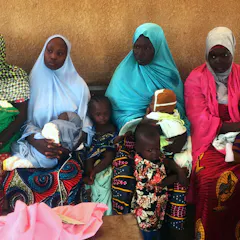
Research shows that unrest, even terrorism, can erupt in poor countries with a surplus of young people and not enough jobs. Can Niger, a once-peaceful sub-Saharan African nation, handle its baby boom?
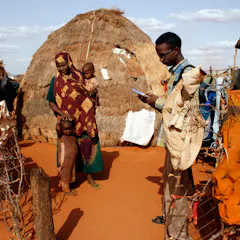
Data is essential for proper planning, budgeting and implementation of health care policies.
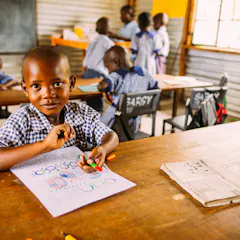
Research shows that mother tongue teaching is the most ideal tool for early child education.

Only half of Kenya’s 47 counties achieved the 2000 goal on reducing child mortality
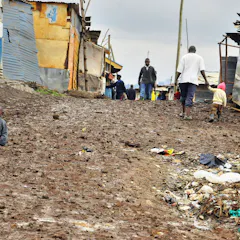
Research found that burns were most common among children under five years.

Tungiasis, a disease caused by fleas, is neglected and needs action in sub-Saharan Africa.
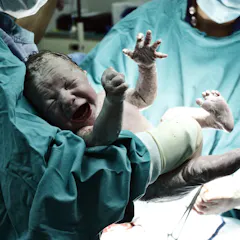
A Lancet series shows that C-sections are performed for non-medical reasons in private health while poor women who need the surgery don’t have access.
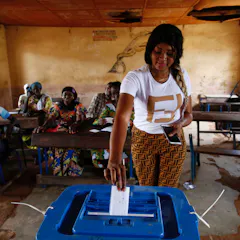
Elections are supposed to hold politicians accountable: Officials who fear losing their seat will work harder for voters. But in some countries, political competition actually makes government worse.

If women don’t have access to quality emergency surgery, they can develop dibilitating complications such as fistula.

Data suggest that people are living many years in poor health in Africa.

The leading causes of death in sub-Saharan Africa for adults 15 to 49 years were AIDS, tuberculosis, malaria, maternal disorders, and road injuries.
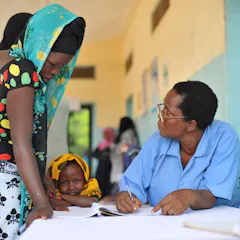
Tanzania was an early, ardent believer in family planning. Now it joins a growing number of developing nations that see potential advantage in having a huge and growing workforce.

Working with African universities to effectively become research-intensive could transform sub-Saharan Africa’s higher education landscape.
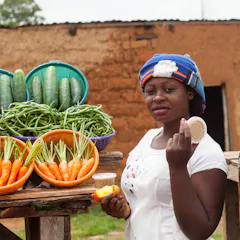
Obesity and malnutrition now coexist across sub-Saharan Africa thanks to a transition to Western diets. “Gamifying” nutrition programs can help nudge youth towards healthier eating patterns.
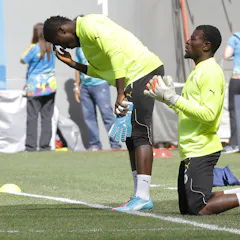
Africa is a deeply divided continent along ideological, ethnic and territorial lines. Religion and football can produce consensus.
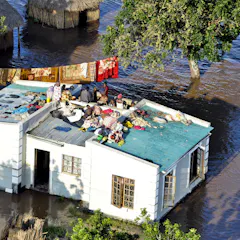
While disaster insurance would go a long way in averting losses, demand for cover is still lower than expected.

The football world cup offers a useful chance to consider the apparent division between North and sub-Saharan Africa.
Top contributors
-

Extraordinary Professor, Global Health, Stellenbosch University; South African Medical Research Council
-
Professor of Pharmacy, University of Tasmania
-
Professor of the Practice of International Development, Harvard Kennedy School
-
Professor, School of Public Health, University of Gothenburg Sweden, University of the Witwatersrand
-
Editor-in-Chief of the South African Journal of Science and Consultant, Vice Principal for Research and Graduate Education, University of Pretoria
-
Associate professor, University of Canberra
-
sociologue (Institut des mondes africains), École des Hautes Études en Sciences Sociales (EHESS)
-
Assistant professor, The Education University of Hong Kong
-
Teaching Assistant Professor, University of Pittsburg and Visiting Associate Professor, The University of Osaka, University of Pittsburgh
-
Professor of medicine and deputy director of the Desmond Tutu HIV Centre at the Institute of Infectious Disease and Molecular Medicine, University of Cape Town
-
Distinguished visiting professor, University of Glasgow
-
Director of the Africa Centre for Population Health and Professor of Virology, University of KwaZulu-Natal
-
Research Active Lecturer, Discipline of Psychology, Charles Darwin University, Charles Darwin University
-
Professor, Institute of African Studies, University of Leipzig
-
Research Scientist, African Population and Health Research Center