

Governments and international organizations should develop policy that incorporates remittances into how we respond to climate change.
Articles on Sub-Saharan Africa
Displaying 1 - 20 of 184 articles
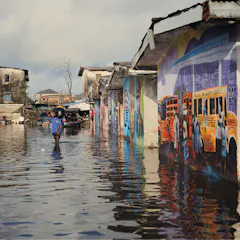
Crises that add up on top of each other have to be addressed in an integrated way.

The minerals needed for clean energy are driving widespread forest loss across Africa, much of it far beyond the mine itself and largely preventable.

After the main Namibian party started alternating candidates between men and women, female representation in the National Assembly nearly doubled.

In Africa, four countries cover the lion’s share of IA-related investments. But a few other countries on the continent are displaying undeniable potential in the field.
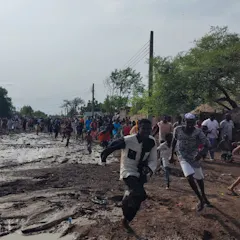
Armed drones are increasingly being seen as a solution to security challenges in African conflicts.
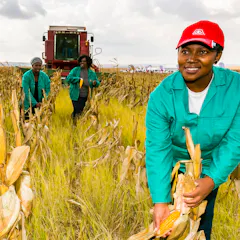
Investing more in agriculture, especially with external financing, offers the biggest gains in raising incomes and reducing poverty.
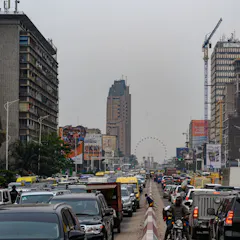
Low wages and low funding in the DR Congo have led to police officers trying to extract funds from drivers.
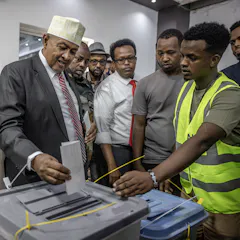
The opposition’s win in Somaliland’s election could help the breakaway state cement its place as a democratic state in a volatile region.

Businesses need more than finance to succeed: they need to understand how to manage it.
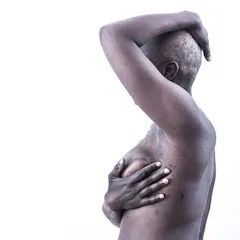
Breast cancer survival rates are less than 40% in sub-Saharan Africa. Enabling early detection and addressing transport costs could improve the outcomes.
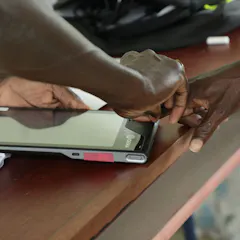
Upper chambers in some African parliaments have been used to weaken opposition groups.
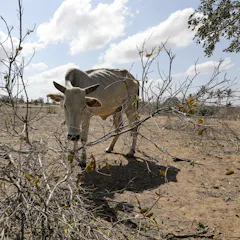
El Niño tends to cause heatwaves and droughts in southern Africa particularly.
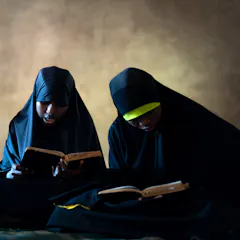
One in four girls between the ages of 15 and 19 globally who have been in a relationship have suffered abuse. Forty percent of these are in Africa.

By promoting digitisation, governments can help create a more transparent and efficient business environment.

Only Paul Kagame will decide when he exits Rwanda’s political stage.

The human papillomavirus is the primary cause of cervical cancer – but not all infected individuals develop the disease.

Caesarean section births are often thought to be safer. In fact they disrupt the natural bond between mother and baby and can interrupt brain development.

There’s been an increase in the amount of runoff generated from rainfall as land is altered by settlement and deforestation.
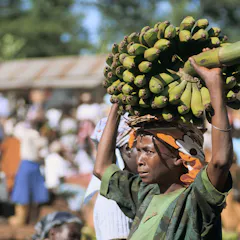
Rural Tanzanians and those living in the city eat unhealthy diets, but their circumstances are very different.
Top contributors
-

Extraordinary Professor, Global Health, Stellenbosch University; South African Medical Research Council
-
Professor of Pharmacy, University of Tasmania
-
Professor of the Practice of International Development, Harvard Kennedy School
-
Professor, School of Public Health, University of Gothenburg Sweden, University of the Witwatersrand
-
Editor-in-Chief of the South African Journal of Science and Consultant, Vice Principal for Research and Graduate Education, University of Pretoria
-
Associate professor, University of Canberra
-
sociologue (Institut des mondes africains), École des Hautes Études en Sciences Sociales (EHESS)
-
Assistant professor, The Education University of Hong Kong
-
Teaching Assistant Professor, University of Pittsburg and Visiting Associate Professor, The University of Osaka, University of Pittsburgh
-
Professor of medicine and deputy director of the Desmond Tutu HIV Centre at the Institute of Infectious Disease and Molecular Medicine, University of Cape Town
-
Distinguished visiting professor, University of Glasgow
-
Director of the Africa Centre for Population Health and Professor of Virology, University of KwaZulu-Natal
-
Research Active Lecturer, Discipline of Psychology, Charles Darwin University, Charles Darwin University
-
Professor, Institute of African Studies, University of Leipzig
-
Research Scientist, African Population and Health Research Center