
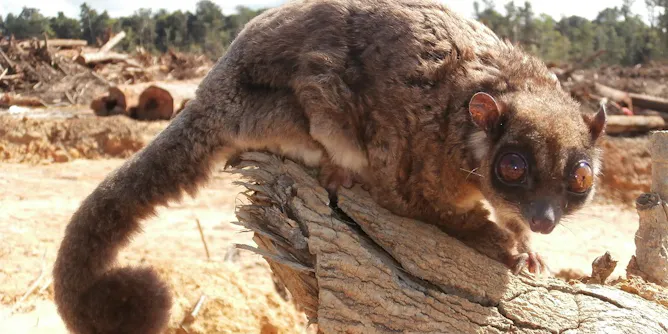
A plantation worker photographed this new genus of mammal in New Guinea, thought to have been dead for 6,000 years.
Articles on Species extinctions
Displaying 1 - 20 of 30 articles
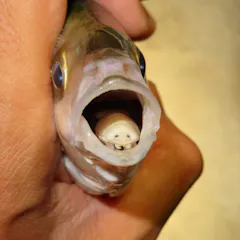
Save the pandas, sure, but what about the worms in their guts?

A new study estimates there have been more than 9,000 Australian invertebrate extinctions since 1788. Only one has been officially listed.

While governments at COP16 make glacial progress on protecting nature, what billions of people choose to do individually can add up to make a big difference.
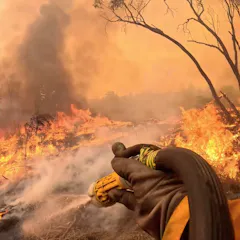
Survey respondents overwhelmingly prioritised saving a human life – even if that person had been repeatedly told to evacuate and even if, as a consequence, a snail or shrub species became extinct.
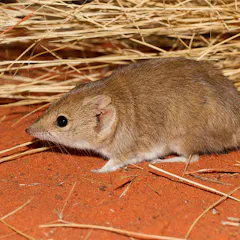
We found three previously unknown species of mulgaras hiding in museum collections – but all three have been driven to extinction since European colonisation of Australia.

Our research shows the world is not on track to achieve any of the Sustainable Development Goals. But with decisive action, we can still achieve a fairer, more sustainable and prosperous future.
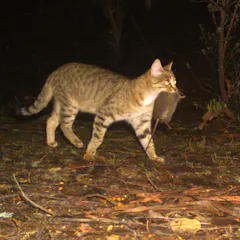
The Australian government has at last produced a serious plan to control an introduced predator that is a big reason this country has one of the world’s worst records for species extinctions.
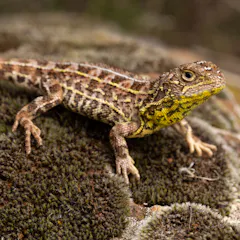
The successful quest to find a species last seen more than 50 years ago has added to the urgency of protecting the vanishing grassland habitat of a lizard that had been feared extinct.
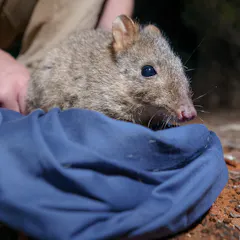
Woylies bred in wildlife havens were smaller and less flighty than their counterparts in the wild. This could jeopardise the success of repopulation programs.
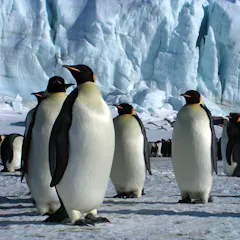
The species at risk include flowering plants, moss and lichens, tough invertebrates and breeding seabirds.
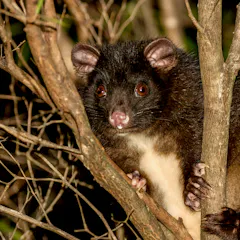
A new paper explores how a carefully controlled fuel reduction burn killed 17 critically endangered western ringtail possums.

The sheer number of Chinese-funded dams pose a substantial risk to biodiversity. And yet, environmental regulation of these projects has serious flaws.
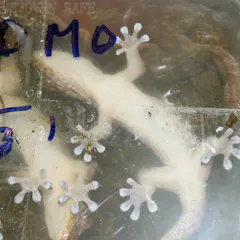
Tackling this global problem requires an international effort – particularly by rich nations where the demand for exotic pets is increasing.

The new paper also found some mammals are suffering due to a lack of fire.

Roughly 90% of species on Earth are believed to be undiscovered. Whether researchers will be able to identify them before they go extinct is unclear.
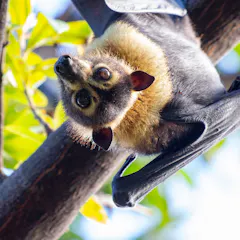
Nine mammals in Northern Australia are at risk of extinction in the next two decades – and we know little about this home-grown crisis.
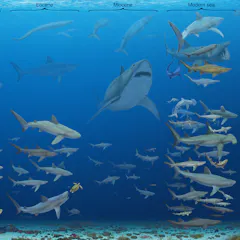
Sharks have been around for more than 400 million years — but not all sharks are equally resilient to changes around them. Why do some groups thrive, while others dwindle?
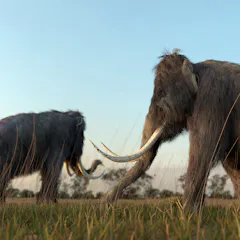
While the prospect of reviving extinct species has long been discussed, advances in genome editing have now brought such dreams close to reality.

Researchers found 16% of coral species have not been seen for many years. This finding is alarming, because local extinctions suggest global extinctions may be looming.
Top contributors
-

Professor of Conservation Biology, Charles Darwin University
-
Professor of Conservation and Sustainable Livelihoods, Charles Darwin University
-
Adjunct Asssociate Professor, James Cook University
-
University Fellow in Biodiversity, Charles Darwin University
-
Professor of Wildlife Conservation, Australian National University
-
Adjunct Associate Professor, Molecular and Life Sciences and ARC Centre for Mine Site Restoration., Curtin University
-
Associate Professor of Behavioural Ecology, Curtin University
-
PhD Candidate, Curtin University
-
Professor in Terrestrial Ecology, Deakin University
-
Professor in Ecology, Charles Sturt University
-
Postdoctoral research fellow, University of Zurich
-
Senior Lecturer in Ecology and Biogeography, Node & Stream Leader for ARC Centre of Excellence for Indigenous and Environmental Histories and Futures, University of Technology Sydney; Australian Museum
-
Visiting Researcher, University of Oxford
-
Research Associate, University of New South Wales, and Adjunct Associate Professor, Curtin University
-
Plant Ecologist, La Trobe University