
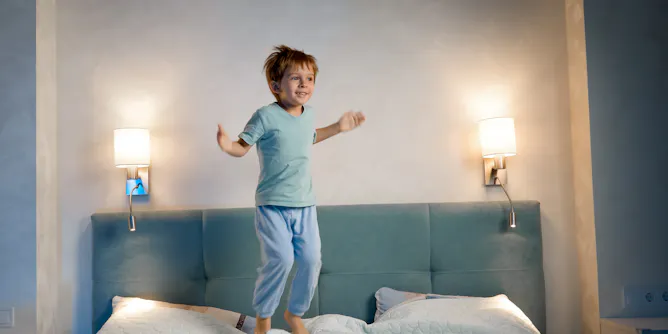
A few one-off late nights and sleep-ins won’t hurt, but it’s best not to fall completely off the bedtime routine wagon during the holidays.
Articles on Sleep problems
Displaying 21 - 40 of 55 articles

Telling new parents to do mindfulness tasks with their five minutes of free time might not be realistic – but adding mindfulness to tasks you’re already doing is just a good use of time.

Although medication and therapy can be effective treatments for ADHD, they’re not the only way to manage the disorder or its symptoms. Creating a daily routine is critical too.
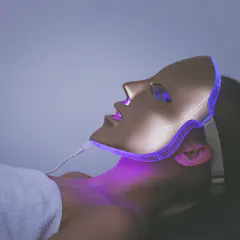
LED face masks are popular with celebrities and promise a glowing complexion. But should they come with ‘daytime use’ recommendation?
The sleep of young children varies a great deal. The myth of sleeping through the night at a specific age creates unrealistic expectations that can harm parents’ confidence.

Kids may not be able to communicate when they’re sleepy, or perhaps can’t even identify this. Then there’s always the fear of missing out on things going on in the waking world.
Distraction in poor sleepers could be linked to a different brain process than previously thought.
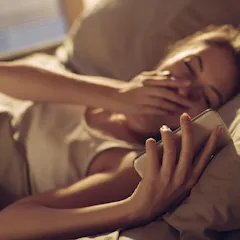
Waking up to a tuneful melody or favourite song can make us feel more alert than the traditional high-pitched ringing or buzzing of an alarm clock.
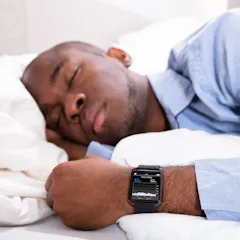
Despite the appeal of sleep trackers, they could cause unwanted anxiety for some.

Springing forward for daylight saving time will be especially hard this year due to sleep loss from COVID-19. Why does the US keep doing this?

The design of a campus and its buildings and dorms can be crucial to a student’s overall well-being.

One in four children will experience sleep problems before their 10th birthday. Here are the top factors, plus steps parents can take to give their kids (and themselves) a good night’s sleep.

Noise pollution can cause long-term stress and harm to wildlife.

If you’re thinking about a smartphone, talk with your parents.
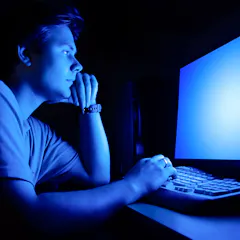
Blue light has been getting blamed for sleep interruption and eye strain. But the facts are that any bright light interferes with sleep, and computers themselves cause eye strain, an eye doctor says.
As early as the 1860s the twin diseases of modernity – overwork and sleeplessness – became the focus of cultural anxieties.

Millions of people struggle with falling asleep. A review of thousands of studies shows a possibly simple solution: a warm bath.
Many adolescents have trouble sleeping - but limiting screen use is not the solution. When used correctly, bedtime use of devices can be beneficial to mental health, without harming sleep quality.

New research pinpoints why so many students struggle to nod off at university.

Global experts warn that excessive screen time increases the risk of obesity, low physical fitness, anxiety and depression.
Top contributors
-

Professor of Neurology and Pediatrics, Vanderbilt University
-
Professor and Head of Paediatric Sleep Research, CQUniversity Australia
-
Postdoctoral Research Fellow in Psychology, The University of Melbourne
-
Senior Research Fellow in Organizational Leadership, Policy and Development, University of Minnesota
-
Lecturer of Psychology in Education, University of York
-
Assistant Professor of Nursing, Emory University
-
Principal Fellow, Department of Paediatrics, The University of Melbourne
-
Ph.D. student in Developmental Psychology, University of Denver
-
Researcher, Auditory Perception and Cognition, RMIT University
-
Consultante scientifique (courtage et curation) et cofondatrice Immerscience
-
Professor of Sociology and Founding Director of The Future of Work Lab, Podcast at MissPerceived, The University of Melbourne
-
Assistant Professor of Psychology, Trinity College
-
Honorary Associate in Sleep, Circadian and Memory Neuroscience, The Open University
-
Postdoctoral research fellow, RIKEN
-
Associate Professor of Psychology, University of Denver