
Even small lifestyle changes – such as more social interaction and a better diet – can help reduce stress.
Articles on Sleep and health
Displaying all articles
Insomnia and bad sleep can lead to high blood pressure and increase hormone levels and inflammation.
Naps can be rejuvenating and beneficial to attentiveness and overall health, but the length of naps and the time of day are key.
Exposure to screens before bedtime can contribute to chronic sleep deprivation, which raises the risk for anxiety, depression and even suicidal thoughts.
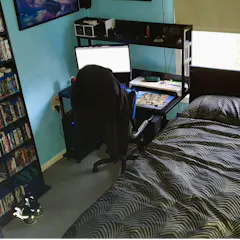
Almost half of the participants in a study of bedrooms said they have or might have a sleep problem and they would prefer not to use the room for multiple activities.
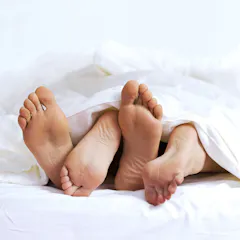
People – particularly women – take a little longer to fall asleep when they are next to a casual partner or single.
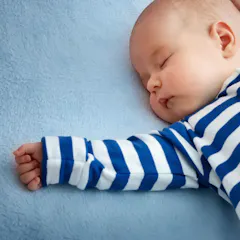
Getting a good night’s sleep during COVID-19 confinement can be challenging, but there are ways to get enough shut-eye.
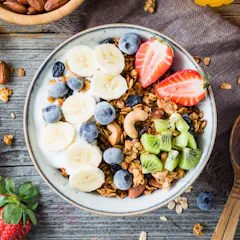
Eating healthy food, exercising regularly and reducing stress are all measures we can take to stay as healthy as possible to fight off infection while we wait for a coronavirus vaccine.
Research demonstrates a two-way relationship between sleep problems and sexual problems, as well as between satisfying sex and sound sleep. If you want better sex, you need better sleep.

Although it may appear you’re “switching off” when you fall asleep, the brain is far from inactive.
Top contributors
-

Clinical Associate Professor, Texas A&M University
-
Postdoctoral research fellow, RIKEN
-
Senior Lecturer in Industrial Design, UNSW
-
Professor of Public Health and Director of the Human Potential Centre, Auckland University of Technology
-
Professor of Pediatrics, School of Medicine, University of Washington
-
Lecturer in Interior Architecture, UNSW
-
Emeritus Professor of Psychology, University of Florida
-
Senior Lecturer in Psychology, CQUniversity Australia
-
Professor of Psychology, University of Canterbury
-
chercheur en médecine du sommeil et épidémiologie sociale
-
Professor of Psychiatry and Behavioral Health, Neuroscience, and Public Health Sciences, Penn State
-
Professor of Human Development and Family Studies, Penn State
-
Professor of Biobehavioral Health, Penn State