Dilpreet Kaur, The Conversation and Sunanda Creagh, The Conversation
The science of sleep and the economics of sleeplessness
The Conversation, CC BY52.8 MB(download)
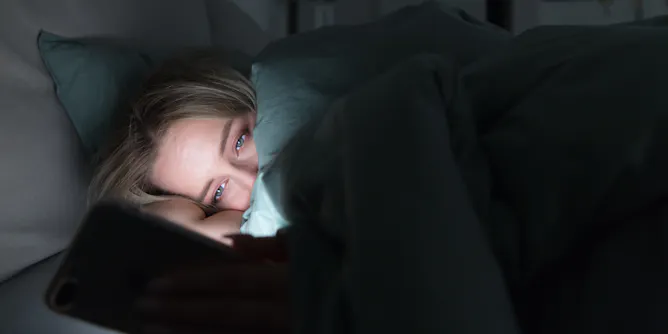
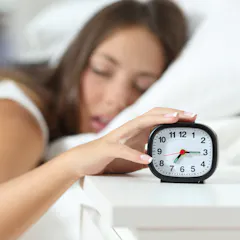
Only about one quarter Australians report getting eight or more hours of sleep. And in pre-industrial times, it was seen as normal to wake for a few hours in the middle of the night and chat or work.
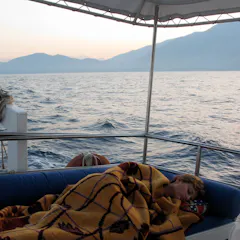
Living in a country with more gender equality results in better sleep for both men and women.
Flikr
While women’s sleep is affected by children, men’s sleep is affected by work and finance stress. Couples living in more gender equal countries have improved sleep quality.
You might be trying to catch up on sleep. Sleep scientists say some children need only nine hours of sleep at night, while others need as much as 11 hours. It depends on the person.
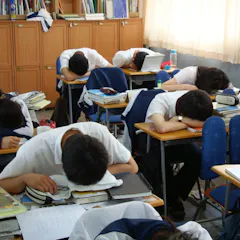
Teenagers aren’t just lazy. Their sleep hormones aren’t calibrated to let them get up and go until later in the morning – which has academic and health consequences when school starts too early.
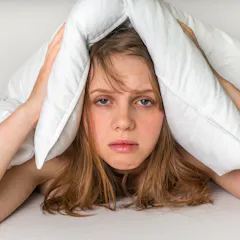
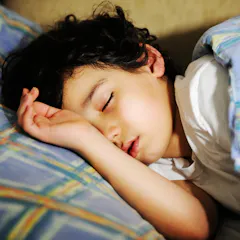
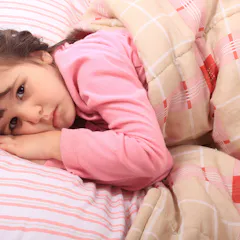
Up to 30 per cent of young children suffer from sleep problems.
(Shutterstock)
Children’s sleep problems can affect not only their own wellbeing, but that of their parents. Helping parents manage these problems can also reduce their own risk of depression.
All parents have probably struggled to get their kids to sleep at some point. This is even more difficult when a child has ADHD.
from www.shutterstock.com.au
Children with ADHD are much more likely than other kids to struggle getting to sleep, and staying asleep. Up to 73% of Australian parents report their child with ADHD has problems sleeping.
Treating sleep problems first will help in treating anxiety and depression.
Henri Bergius/Flickr
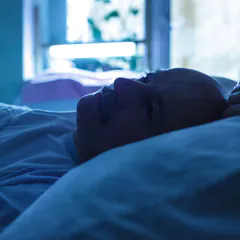
Sleep problems can lead to anxiety and depression, and vice versa. General improvements to sleep might be beneficial, whether a person has anxiety, depression, or both.
Snoring occurs due to vibration of the soft tissues of your upper airway.
timothykrause/flickr
Sleep deprivation in teenagers as a result of early morning school starts has been a topic of much debate. There’s more to this issue than just laziness.
Poor sleep can have longer-term effects.
from www.shutterstock.com