

Many people use pink, white or brown noise to concentrate or fall asleep faster.
Articles on Sleep
Displaying 41 - 60 of 567 articles
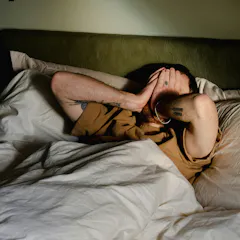
February creates a perfect storm for night owls: limited daylight and the added burden of ‘social jet lag’ layered with circadian misalignment. Here’s how to get through the dark days.

Your 40s can feel more exhausting than your 60s. The reason isn’t inevitable decline, but a clash between biology and peak life demand.

A study of 590,000 people finds modest changes to sleep, exercise and diet are linked to better ageing.

Some parents may dread what’s coming – getting overtired, half-asleep kids out the door on time.

Scientists have long debated what the purpose of sleep is.
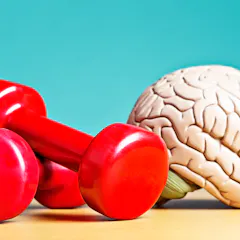
Challenging the brain by exposing it to new situations, tasks and skills can improve its efficiency, much like strength training does for our muscles. But maximum efficiency requires optimal rest.
Research links disrupted biological rhythms to dementia risk, but sleep length alone may not be the key factor.

Why melatonin is not a simple fix for childhood sleep problems.

What you do in the years leading up to menopause can help counter the natural hormonal effects of aging, setting you up for a healthier transition.

The ‘Scandinavian sleep method’ is having a moment on social media. But what is it? And will it stop you fighting over the doona?

Christmas disrupts sleep more than any other time of year. Here are 12 hidden culprits and how to beat them.

Integrating simple habits can help your family maintain healthy eating, sleep and activity behaviours to feel your best during this busy season.

Gut bacteria influence digestion, hormones and stress responses. These pathways shape infant sleep and may help explain night waking.
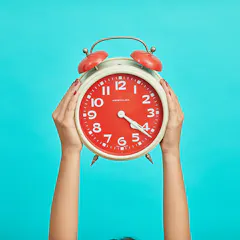
The answer lies in what’s known as the body’s ‘master clock’.

Want better sleep? Start by fixing your gut microbiome.

We may be only beginning to understand how complicated sleep is.

Understanding your ‘biological age’ can help you live longer.

When it comes to gaining an edge on the competition, many athletes and coaches are trying to harness the power of sleep.
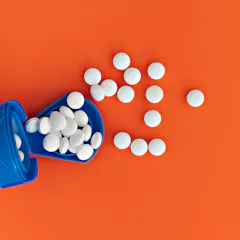
Long-term melatonin users were about three times more likely to develop heart failure, but the link may not be what you think.
Top contributors
-

Emeritus Professor of Psychology, Adelaide Institute for Sleep Health, Flinders University
-
Sleep Researcher, Appleton Institute, HealthWise Research Group, CQUniversity Australia
-
Conjoint Senior Lecturer, School of Medicine and Public Health, University of Newcastle
-
Professor of Sleep Health, University of the Sunshine Coast
-
Associate Professor of Neurology, University of Pittsburgh
-
Research Professor and Director of the Behaviour-Brain-Body Research Centre, Adelaide University
-
Professor and Head of Paediatric Sleep Research, CQUniversity Australia
-
Associate Professor at Turner Institute for Brain and Mental Health, School of Psychological Sciences, Monash University
-
Sleep & Circadian Scientist, CQUniversity Australia
-
Professor of Sleep and Physiology and Director of Surrey Sleep Research Centre, University of Surrey
-
Senior Lecturer in Psychology, CQUniversity Australia
-
Professor Emeritus of Nursing, University of British Columbia
-
Lecturer in Psychology, University of York
-
Lecturer, University of Cambridge; Anglia Ruskin University
-
Royal Holloway, University of London