
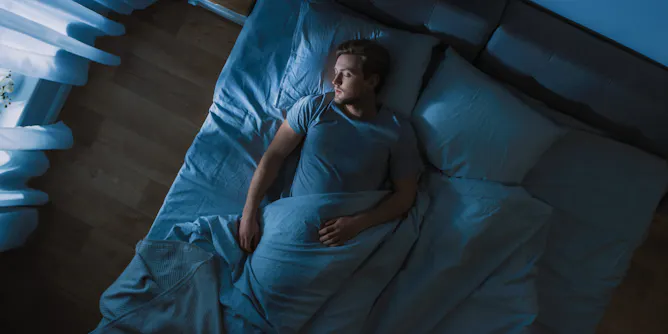
Sleep supports our immune function and helps us deal with stress. During this uncertain time, making sleep a priority is more than self-care – it’s essential.
Articles on Sleep
Displaying 341 - 360 of 567 articles

Sleep might be a key factor in the link between greener neighbourhoods and better health. A new study shows living in an area with more tree canopy improves people’s odds of getting enough sleep.

The more businesses encourage their employees to sleep well, the better their employees perform.

Smelling a romantic partner’s clothing is common behaviour, and research shows that it may improve sleep quality, and ease stress levels.

It has become common to believe that if babies sleep in these boxes, it will help protect them from sudden infant death syndrome. Unfortunately, the research does not back this up.

Since caffeine is in so many different foods and drinks, it’s easy for kids – or grownups – to get more than they should without realizing it.

Many baby books promote sleep-training methods that involve leaving babies to cry at night. But there are gentler ways to get a good night’s sleep.
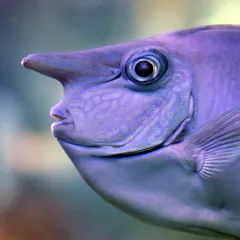
Fish may not have eyelids to close, but they sleep – and perhaps even dream.
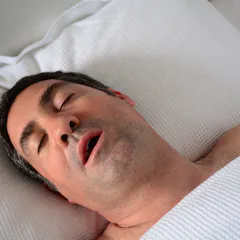
Sleep apnea affects nearly 20 million people in the US, and not all of them can be helped by CPAP machines. A surgeon explains a device he and others have been studying that shows promising results.

Research shows how decision making by investors is affected by the one-hour clock change.
There’s no substitute for study, but if you want to help yourself do better in exams, you should get enough sleep, exercise and try to enjoy the process.
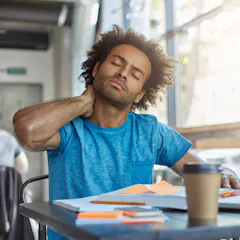
It’s often said that “bad posture” can cause neck pain but science seems to indicate that other factors might be at play.

Daylight saving time starts this weekend, and it can often be the beginning of new dramas getting kids to bed. Here’s how to make the transition a little smoother.

Mental health researchers based at Queen’s University in Canada and Oxford University in the U.K. are helping universities take the lead in developing improved student mental health care.
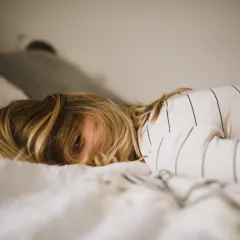
As early as the 1860s the twin diseases of modernity – overwork and sleeplessness – became the focus of cultural anxieties.
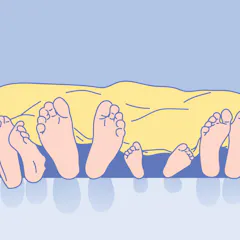
Today’s beds are thought of as bastions of privacy. But not long ago, they were the perches from which kings ruled and places where travelers hunkered down with complete strangers.
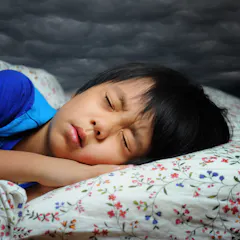
Sleep paralysis – when you wake up but feel like you can’t move – seems to be more common if you sleep on your back. But we don’t know why.

Our body knows how it is moving and where it is because of a sense called proprioception, a ‘sixth sense’ that helps your body know where it is in the world. And it works even while you’re asleep.
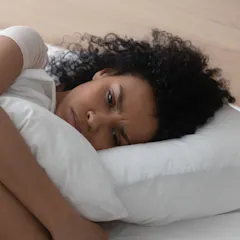
Insomnia impacts more than 20 per cent of women during pregnancy. And it is treatable.
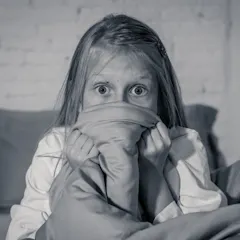
It’s not just babies who have trouble sleeping.
Top contributors
-

Emeritus Professor of Psychology, Adelaide Institute for Sleep Health, Flinders University
-
Sleep Researcher, Appleton Institute, HealthWise Research Group, CQUniversity Australia
-
Conjoint Senior Lecturer, School of Medicine and Public Health, University of Newcastle
-
Professor of Sleep Health, University of the Sunshine Coast
-
Associate Professor of Neurology, University of Pittsburgh
-
Research Professor and Director of the Behaviour-Brain-Body Research Centre, Adelaide University
-
Professor and Head of Paediatric Sleep Research, CQUniversity Australia
-
Associate Professor at Turner Institute for Brain and Mental Health, School of Psychological Sciences, Monash University
-
Sleep & Circadian Scientist, CQUniversity Australia
-
Professor of Sleep and Physiology and Director of Surrey Sleep Research Centre, University of Surrey
-
Senior Lecturer in Psychology, CQUniversity Australia
-
Professor Emeritus of Nursing, University of British Columbia
-
Lecturer in Psychology, University of York
-
Lecturer, University of Cambridge; Anglia Ruskin University
-
Royal Holloway, University of London