

Zero-hours contracts exploit workers and need to be banned.
Articles on Sleep
Displaying 361 - 380 of 567 articles
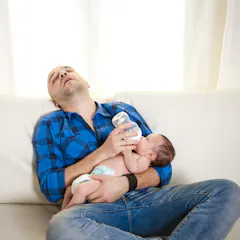
Adults are not the only people in the US who have problems with sleep – babies and children suffer from loss of sleep, too. Two pediatric sleep experts explain how you can help your little ones.

You are tired. Would nine more minutes really hurt? Is hitting the snooze button a good idea? Should you just get out of bed? Or is snoozing a sign of a more serious medical issue?

Pilots are often overtired, making them prone to errors. Some countries let them sleep on the job – under strict rules. Pilots love the idea, but consumers are wary, for now.

Many adolescents have trouble sleeping - but limiting screen use is not the solution. When used correctly, bedtime use of devices can be beneficial to mental health, without harming sleep quality.

We asked five experts if a daytime kip is OK. Four out of five said yes.
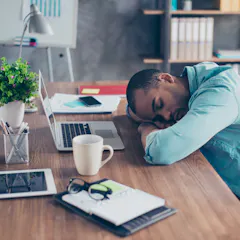
Progressive organizations recognize that fatigued employees can’t perform at their best. Naps at work can increase alertness and improve performance.

A doctor reviews the medical evidence on the controversial practise of sleep training infants.

New research pinpoints why so many students struggle to nod off at university.

When teenagers sleep for less than eight hours a night, they are at increased risk of suicide, being overweight, high rates of injury, poor sustained attention and low school grades.

Washington, California and Florida are mulling a permanent switch to DST. Proponents say that doing so could improve health, save energy and prevent crime.

Calvin Coolidge, during one stretch of his presidency, was getting 15 hours of shut-eye each day, while William Howard Taft was known for nodding off during public events.

Researchers find 351 genetic variants associated with a person’s chronotype. Before this study, we knew of only 24.
Most vitamins and other nutritional supplements are unlikely to prevent chronic disease. Invest in good quality foods, sleep and exercise instead.
The old saying ‘the early bird catches the worm’ might be especially fitting when it comes to peak mental and physical performance.
Some say the hysteria over screen time echoes parents’ worries that their kids were watching too much TV in the 1980s. But new studies show there’s nothing overblown about parents’ growing concern.
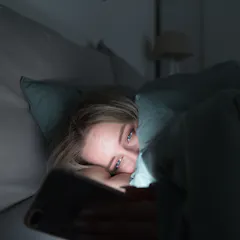
The science of sleep and the economics of sleeplessness
The Conversation, CC BY52.8 MB (download)
Only about one quarter Australians report getting eight or more hours of sleep. And in pre-industrial times, it was seen as normal to wake for a few hours in the middle of the night and chat or work.
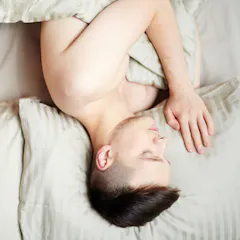
Five out of five experts agreed not everyone needs eight hours of sleep.

Hundreds – perhaps thousands – of infant deaths every year are preventable if parents make sure babies sleep in their own cribs, on their backs.
Researchers tracked adolescents’ sleep and scanned their brains. As expected, better sleep went with healthy brain development. Unexpected was the importance of one aspect of where teens slept.
Top contributors
-

Emeritus Professor of Psychology, Adelaide Institute for Sleep Health, Flinders University
-
Sleep Researcher, Appleton Institute, HealthWise Research Group, CQUniversity Australia
-
Conjoint Senior Lecturer, School of Medicine and Public Health, University of Newcastle
-
Professor of Sleep Health, University of the Sunshine Coast
-
Associate Professor of Neurology, University of Pittsburgh
-
Research Professor and Director of the Behaviour-Brain-Body Research Centre, Adelaide University
-
Professor and Head of Paediatric Sleep Research, CQUniversity Australia
-
Associate Professor at Turner Institute for Brain and Mental Health, School of Psychological Sciences, Monash University
-
Sleep & Circadian Scientist, CQUniversity Australia
-
Professor of Sleep and Physiology and Director of Surrey Sleep Research Centre, University of Surrey
-
Senior Lecturer in Psychology, CQUniversity Australia
-
Professor Emeritus of Nursing, University of British Columbia
-
Lecturer in Psychology, University of York
-
Lecturer, University of Cambridge; Anglia Ruskin University
-
Royal Holloway, University of London