

Science communication has to start with values – and most of the time it does.
Articles on Scientific research
Displaying 41 - 60 of 126 articles
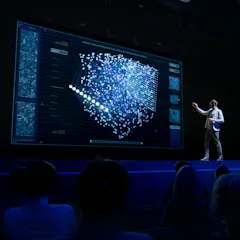
Conversations about scientific research and technological innovations allow the public to build trust with experts, and understand the impacts on everyday lives.
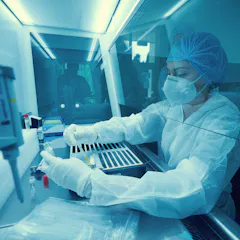
The winners of the 2023 Nobel Prize in physiology or medicine made a discovery that helped create the COVID-19 vaccines. They couldn’t have anticipated the tremendous impact of their findings.

Pigs with human kidneys? Brain-powered computer chips? Science is creating new kinds of living things – and our moral understanding needs to catch up fast.

The soil was extracted during the Cold War from beneath one of the U.S military’s most unusual bases, then forgotten for decades.
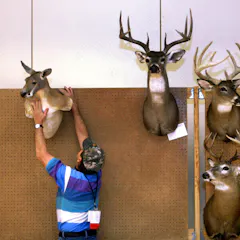
Humans must kill animals in many cases, but they can still modify their behaviours to improve the welfare of animals while they are alive.
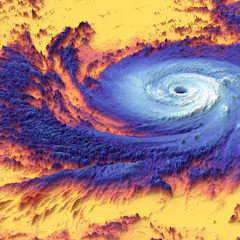
Currents can carry that deep ocean heat hundreds of miles to surface again at distant shores.
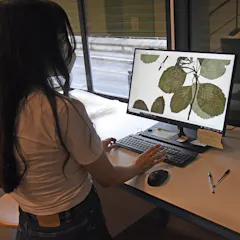
The colonial era profoundly shaped natural history museums and collections. Herbaria, which are scientists’ main source of plant specimens from around the world, are no exception.
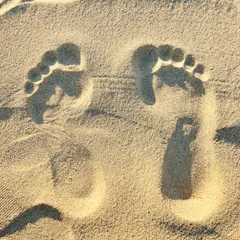
Environmental DNA provides a wealth of information for conservationists, archaeologists and forensic scientists. But the unintentional pickup of human genetic information raises ethical questions.
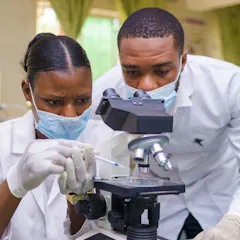
Here’s what Nigeria’s new president should do to elevate science in the country.

Researchers are key to Canada’s capacity to create a high-tech economy, build the biomedical sector and seed entrepreneurial activity, but they can’t do it without research funding.
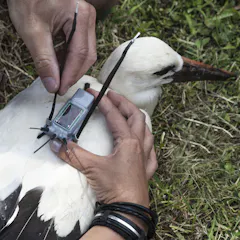
Scientists use biologging devices to track animal behaviour – here are four times where it has improved our understanding of nature.
If Twitter were to go dark, with it would go a valuable source of data as well as a means of sharing information relied on by activists, journalists, public health officials and scientists.
The UN Sustainable Development Goals set a target date of 2030. To meet that deadline, international collaboration and funding is required.
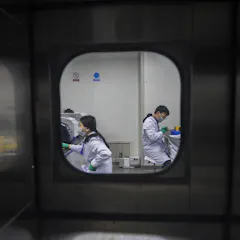
Genetic research is big business and has yielded life-saving treatments. But experts are warning of caution about ‘gain of function’ research that has the pandemic potential.
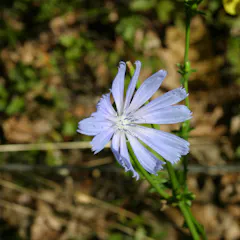
Journals, museum collections and other historical sources can provide valuable data for modern ecological studies. But just because a source is old doesn’t make it useful.

Nature’s recent efforts to redefine the ethical responsibilities of scientists leave a lot to be desired.
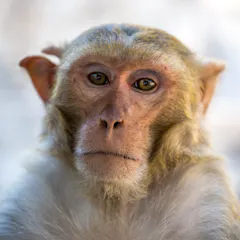
Nonhuman primates like rhesus monkeys share certain characteristics with people that may make them better study subjects than mice for research on neurodegenerative diseases.
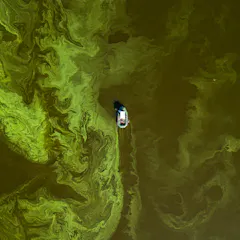
Windermere has seen extensive algal blooms, attracting attention over its ecological consequences. But this is nothing new.
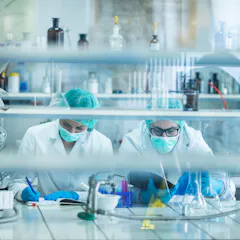
A new screening tool to help study reviewers identify what’s fake or shoddy in research may be on the horizon. And everyday people can apply some of the same critical analysis tools.
Top contributors
-

Professor of Computer Science, Université Grenoble Alpes (UGA)
-
Previous Vice President of the Academy of Science of South Africa and DSI-NRF SARChI chair in Fungal Genomics, Professor in Genetics, University of Pretoria, University of Pretoria
-
Professor of Computer Science, Institut de Recherche en Informatique de Toulouse
-
Contributing editor, Retraction Watch
-
University Distinguished Professor of Astronomy, University of Arizona
-
Professor of Sociology, Education and Demography, Penn State
-
Professor of Sociology of Education, University of Luxembourg
-
Professor of Natural Resources and Environmental Science, University of Vermont
-
Professor of Public Affairs, The Ohio State University
-
Editor-in-Chief of the South African Journal of Science and Consultant, Vice Principal for Research and Graduate Education, University of Pretoria
-
Associate professor in Vertebrate Palaeontology, University of the Witwatersrand
-
Associate Professor of Physics, Union College
-
Royal Society University Research Fellow and Lecturer in Particle Physics, UCL
-
Open Evidence Research, UOC - Universitat Oberta de Catalunya
-
Research Fellow in Semiconductor Physics, University of Sheffield