
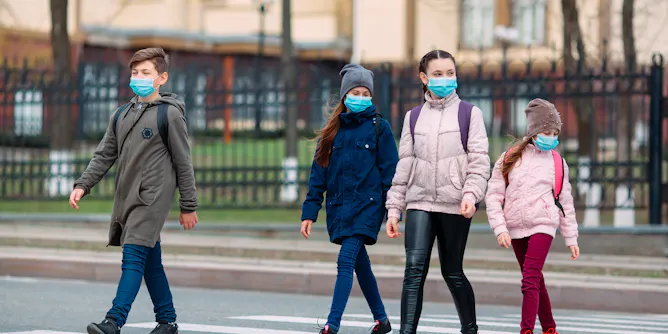
The NSW plan doesn’t measure up against international best practice. And Victoria doesn’t seem to be following a child-centred approach either.
Articles on School closures
Displaying 41 - 60 of 94 articles
Amid uncertainties about what the pandemic will look like this fall, experts answer questions about risks of infection in unvaccinated children and the risks of missing in-person school.
After the CDC changed course in late July, recommending universal masking indoors, Nevada became the first state to adopt a flexible masking policy that can quickly adjust to changing COVID-19 rates.
New research shows the dire effects of the pandemic on the mental health of children and youth, with as many as 25 per cent of young people affected. Immediate action can help address this distress.
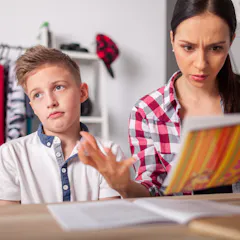
While parents in lockdown might have gained a greater appreciation of what it takes to teach children at home, they haven’t been ‘home schooling’. But 5 tips drawn from home schooling may help them.
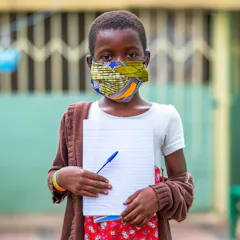
While COVID-19 has held back learning, the pandemic presents a historic opportunity to revamp education systems.
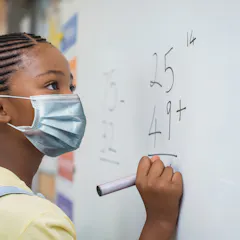
While the loss of contact learning time can be quantified, it’s more difficult to quantify the effect of school closures on learning outcomes.
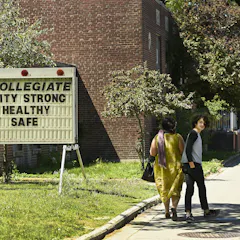
The pandemic education shock has raised five critical issues that demonstrate how student learning and achievement and social well-being are far from mutually exclusive.
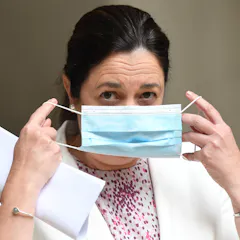
We need a layered strategy — depending on the amount of community transmission – to ensure the response isn’t the same every time with each snap lockdown: to close schools. Here’s how to do it.
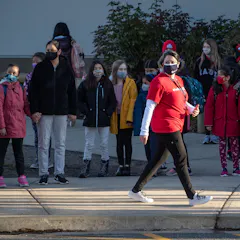
Provinces have struggled to mitigate the COVID-19 health concerns of full-time and substitute teachers. The need for substitutes has increased, but fewer are available.
It is a false dichotomy to judge schools as either ‘safe’ or ‘unsafe’. The reality is more complicated.
Stay-at-home orders, school closures and other pandemic measures mean that parents and children are spending inordinate amounts of time together. Here’s how to deal with the inevitable frustrations.
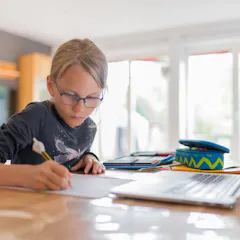
We compared the educational progress in years 3 and 4 in 2019 with 2020 – the year normal schooling was disrupted by the pandemic. Overall, students progressed at the same rate in both years.
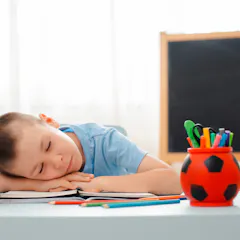
Issues like a lack of focus and heightened anxiety when learning at home could be due to students lacking the autobiographical memory they need to learn in an alternative context.

Remote work provided by schools is particularly important to underprivileged families.
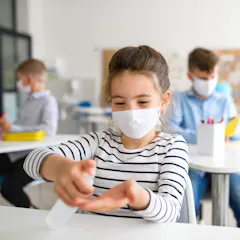
The risk associated with schools is tied to the level of community transmission. The more community transmission there is, the more transmission there will be in schools.

As provinces consider extended holidays, or school closures loom as a possibility under COVID-19, schools should commit to providing in-person schooling for students with disabilities.

An educational ethicist talked to teachers about what ethical issues were most pressing during COVID. Here are the three that featured most.
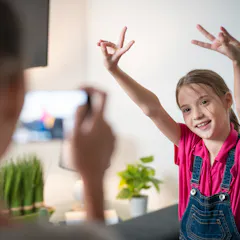
COVID has shown us how powerful educational uses of digital technology can be informal, impromptu and conducted on the fly.

This isn’t the first time America’s schoolchildren have studied remotely – and Chicago’s 1937 ‘radio school’ experiment shows how technology can fill the gap during a crisis.
Top contributors
-

Senior Principal Research Fellow; paediatrician; infectious diseases epidemiologist; vaccinologist, The University of Melbourne
-
Director, Center for Community Child Health Royal Children's Hospital; Professor, Department of Paediatrics, University of Melbourne; Theme Director Population Health, Murdoch Children's Research Institute
-
Research Officer at Medical School, Swansea University
-
Lecturer in Education, Swansea University
-
Executive Director, Youth Impact, Senior Fellow, University of Oxford
-
Professor of Economics and South African Research Chair in the Economics of Social Policy, Stellenbosch University
-
Associate professor, UCL
-
Professor of Education Innovation, De Montfort University
-
Professor, Department of Pediatrics, University of British Columbia
-
Research Associate, Offord Centre for Child Studies, McMaster University
-
Adjunct Professor of Education, Saint Mary’s University
-
Professor of Paediatrics and vaccinologist, Royal Childrens Hospital, University of Melbourne and Murdoch Childrens Research Institute (MCRI); Associate Dean International, University of Melbourne, Murdoch Children's Research Institute
-
Lecturer, Flinders University
-
Distinguished Professor, Faculty of Education, Brock University
-
Adjunct Professor of Epidemiology, University of Colorado Anschutz