

Instead of insisting on homeschooling primary-age kids, free play can help them learn and has benefits for physical and mental health.
Articles on School closures
Displaying 81 - 94 of 94 articles
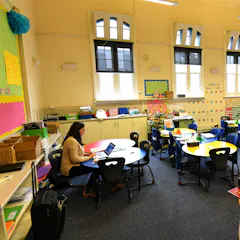
Strict quarantine measures have been shown to be more effective in reducing the spread of COVID-19 than closing schools.
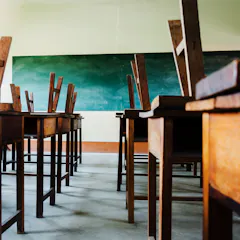
Many households struggle when schools are closed.

To guard against coronavirus, NZ should consider a short “pulse” (a few weeks) of intense social distancing, including bringing forward school holidays and temporary closures of most businesses.

With travel halted and universities and research institutions shutting down, scientists are having trouble keeping their research running. Here’s why that matters outside the lab.

Teachers are at very low risk of being exposed to COVID-19. But schools need to support teachers who fall into high-risk groups – including those aged over 65 years and teachers with chronic illness.

If your child is staying at home for long periods due to the coronavirus outbreak, there are many ways you can help sustain their mental and physical well-being.
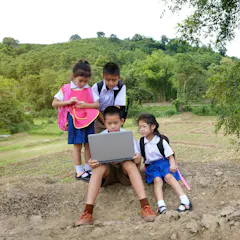
In Southeast Asia like in many other developing regions, a large segment of the population don’t have access to the Internet and electronic devices.
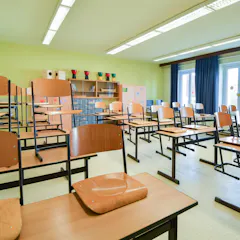
If schools and childcare centres shut without the necessary support, Australia may permanently lose valuable teachers and early childhood educators.
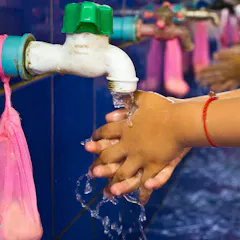
There are several things Australian schools can do, that involve encouraging better hygiene and social distancing. They could close too, but that’s not always necessary.
For higher ed, this is a crisis of unknown proportions.
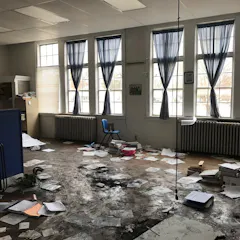
Often schools close out of a belief that taking this step will save money and help students. Whether or not those benefits materialize, there are downsides for the locals.

Nationwide, 16 percent of charter schools are rural. Yet, somehow these key players are often overlooked.
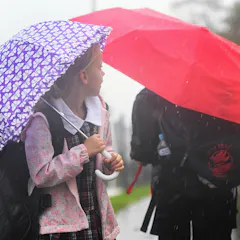
Bad weather conditions often force schools to make unplanned closures.
Top contributors
-

Senior Principal Research Fellow; paediatrician; infectious diseases epidemiologist; vaccinologist, The University of Melbourne
-
Director, Center for Community Child Health Royal Children's Hospital; Professor, Department of Paediatrics, University of Melbourne; Theme Director Population Health, Murdoch Children's Research Institute
-
Research Officer at Medical School, Swansea University
-
Lecturer in Education, Swansea University
-
Executive Director, Youth Impact, Senior Fellow, University of Oxford
-
Professor of Economics and South African Research Chair in the Economics of Social Policy, Stellenbosch University
-
Associate professor, UCL
-
Professor of Education Innovation, De Montfort University
-
Professor, Department of Pediatrics, University of British Columbia
-
Research Associate, Offord Centre for Child Studies, McMaster University
-
Adjunct Professor of Education, Saint Mary’s University
-
Professor of Paediatrics and vaccinologist, Royal Childrens Hospital, University of Melbourne and Murdoch Childrens Research Institute (MCRI); Associate Dean International, University of Melbourne, Murdoch Children's Research Institute
-
Lecturer, Flinders University
-
Distinguished Professor, Faculty of Education, Brock University
-
Adjunct Professor of Epidemiology, University of Colorado Anschutz