
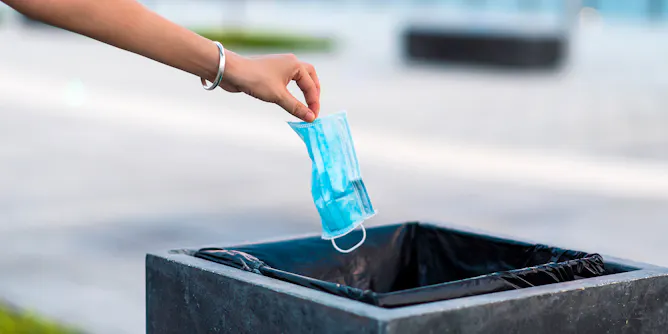
President Joe Biden’s suggestion that the COVID-19 pandemic is over has led to a backlash among some experts who suggest the comment is premature – and counterproductive.
Articles on Pandemic school closures
Displaying 1 - 20 of 41 articles
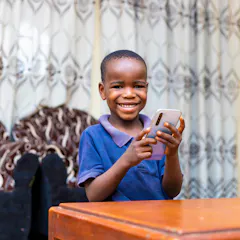
Instruction through mobile phones can provide an effective, scalable method to provide education instruction when schooling is disrupted.

Learning is a cumulative process and in language and maths, it is especially critical as every year of learning sets up the building blocks for the next year of learning.
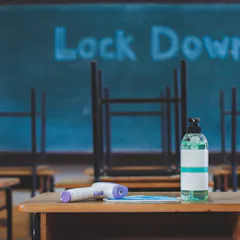
Time out of school erased a year’s worth of schooling for public school learners in South Africa.
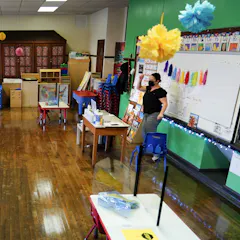
A study of rural schools in Pennsylvania found that schools ended up in a clash between local residents and state and federal agencies.
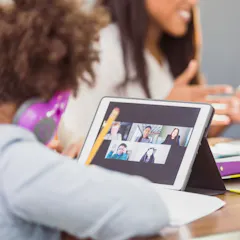
Kindergarten educators who taught from home during COVID-19 and who were primarily responsible for their own children self-reported poorer mental health than those without these responsibilities.
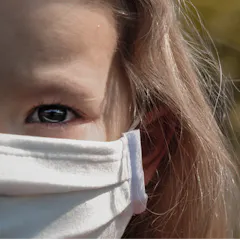
Each layer of COVID-19 protection available to adults has significant gaps for children. We need a family-centred approach to protect their well-being in this outbreak.
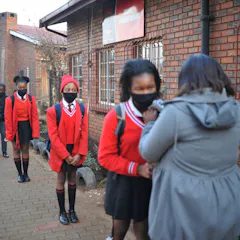
Researchers estimate that COVID-19 disruptions in 2020 set back the education system by five years.
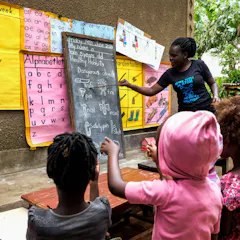
Emerging evidence shows that, for young people, the effects of COVID on education have already been devastating.
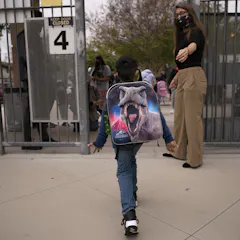
The ways in which school closings affect children are just beginning to be known, but early indications are they’re taking a negative toll on kids’ learning and overall well-being.
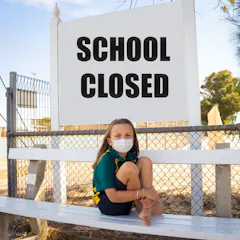
The plans to keep schools open through the wave of Omicron infections fail to take into account the particular challenges of staffing rural and remote schools.
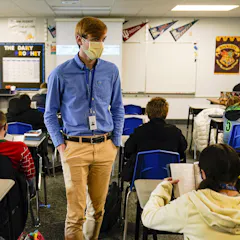
School districts across the US are starting to pay subs more and make it easier to become a sub – in an effort to keep classrooms operating despite large numbers of staff out sick.
With decreasing teacher degree completion rates and low teacher retention, Australia was already facing a growing teacher shortage before the pandemic. But it’s about to get much worse.
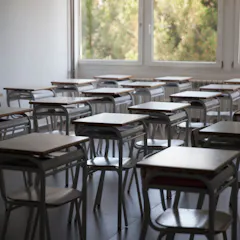
Disengagement from schooling puts students at a greater risk of permanently dropping out of school.
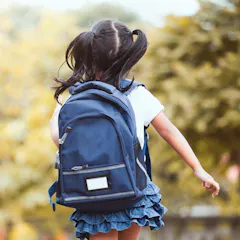
Children are not the primary drivers of Omicron. And for the majority of children, COVID has been a mild disease. But there are many known harms from school closures.
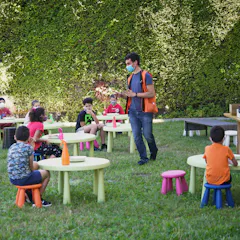
Moving classrooms outside is not a new idea. It’s been done in past disease outbreaks such as tuberculosis and the Spanish flu.
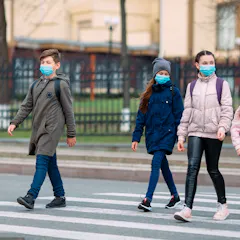
The NSW plan doesn’t measure up against international best practice. And Victoria doesn’t seem to be following a child-centred approach either.
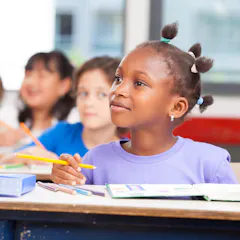
The national average in literacy and numeracy has been unaffected by 2020’s disruptions. But will have to wait until the full NAPLAN data is released to understand the affect on vulnerable students.
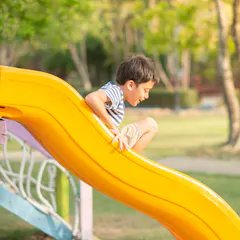
There is some risk of COVID transmission in playgrounds, but the benefits of outdoor play, especially now, may outweigh the risks.
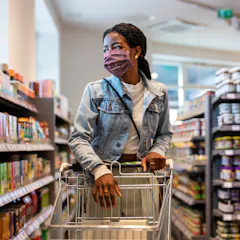
After the CDC changed course in late July, recommending universal masking indoors, Nevada became the first state to adopt a flexible masking policy that can quickly adjust to changing COVID-19 rates.
Top contributors
-

Director, Center for Community Child Health Royal Children's Hospital; Professor, Department of Paediatrics, University of Melbourne; Theme Director Population Health, Murdoch Children's Research Institute
-
Senior Principal Research Fellow; paediatrician; infectious diseases epidemiologist; vaccinologist, The University of Melbourne
-
Professor of Economics and South African Research Chair in the Economics of Social Policy, Stellenbosch University
-
Professor of Paediatrics and vaccinologist, Royal Childrens Hospital, University of Melbourne and Murdoch Childrens Research Institute (MCRI); Associate Dean International, University of Melbourne, Murdoch Children's Research Institute
-
Senior Lecturer, Early Childhood Education, Deakin University
-
Postdoctoral Researcher, Deakin University
-
Associate Professor of Economics, University of South Carolina
-
School Education Program Director, Grattan Institute
-
Deputy Program Director, School Education, Grattan Institute
-
Daniella J. Forster is a Friend of The Conversation.
Senior Lecturer, Educational ethics and philosophies, University of Newcastle
-
Professor of Social Epidemiology, London School of Hygiene & Tropical Medicine
-
Executive Director of the Pennsylvania School Study Council, Professor of Practice in Educational Leadership, Penn State
-
Researcher, University of Cape Town
-
Executive Director, Youth Impact, Senior Fellow, University of Oxford
-
Professor, Department of Pediatrics, University of British Columbia