
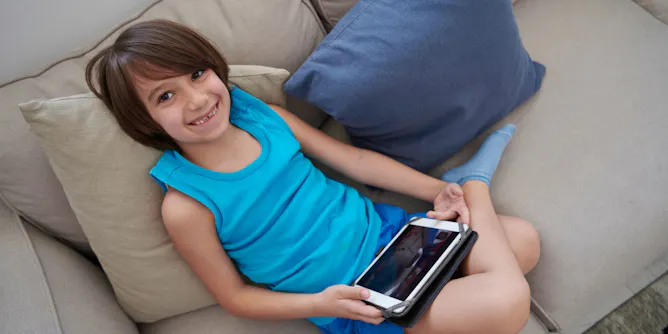
Researchers studying ways to foster children’s inclusion in society worked with teachers to adapt classroom practices, like dedicated dialogue circles, to online learning.
Articles on COVID-19 and schools
Displaying 1 - 20 of 43 articles
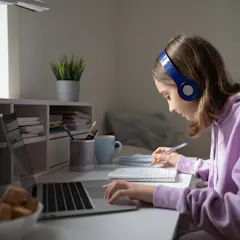
As a result of long remote learning periods due to COVID, many families have found they prefer this method over traditional school.

Many teachers are sick of pretending they are “doing OK”. They feel pressured to be unrealistically positive in the face of irrefutable evidence that everything is not great.
With decreasing teacher degree completion rates and low teacher retention, Australia was already facing a growing teacher shortage before the pandemic. But it’s about to get much worse.
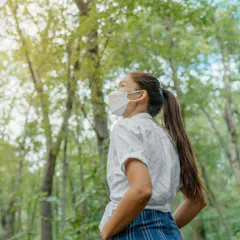
Senior school students have had a stressful year. But their personal experiences during this turbulent period can also be a source of inspiration for writing tasks in the English exam.
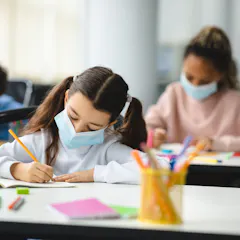
A new study in the United States found school reopening in late 2020 was associated with an increase in COVID-19 cases and deaths. But this was mostly the case where masks weren’t required.

Parents who have the time, energy and resources to make up for a lack of investment in public education and student safety during the pandemic may feel as if they have no choice but to do so.
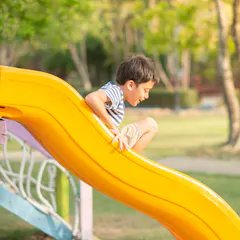
There is some risk of COVID transmission in playgrounds, but the benefits of outdoor play, especially now, may outweigh the risks.

Year 12 students in NSW affected by lockdowns will be able to apply for special consideration for exams and special projects. Here’s what Victorian teachers said about a similar policy last year.
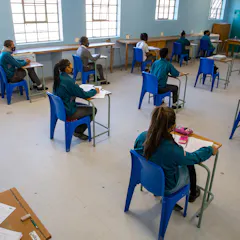
Schools are not driving the COVID-19 pandemic and can safely remain open provided people stick to the non-pharmaceutical interventions for COVID-19 prevention.
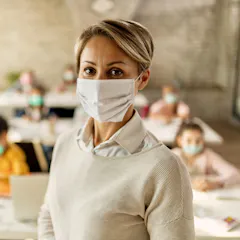
It’s an absolute priority we find and use ways to support kids to continue face-to-face learning in times of low community transmission, especially primary schools.

In New South Wales and Victoria the number of students being home educated increased by 20% in 2020 (1,224 extra children) compared with 2019. But the rise has been evidenced for a decade.
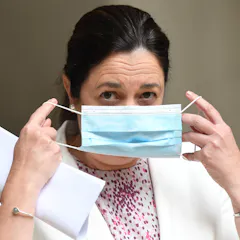
We need a layered strategy — depending on the amount of community transmission – to ensure the response isn’t the same every time with each snap lockdown: to close schools. Here’s how to do it.
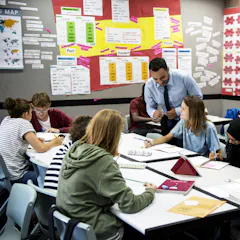
A year-long analysis of Victorian primary and secondary school classrooms has found the amount of carbon dioxide often far exceeds the maximum acceptable standard.
What might the past offer us at this moment, and how will future generations reflect on this year? How will this present become the future’s past?
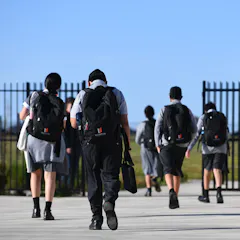
Based on closely following outbreaks in schools and early learning centres across Australia throughout 2020, we have enough evidence to show how students can return to school safely.
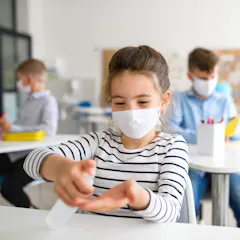
The risk associated with schools is tied to the level of community transmission. The more community transmission there is, the more transmission there will be in schools.

An educational ethicist talked to teachers about what ethical issues were most pressing during COVID. Here are the three that featured most.
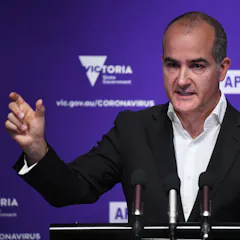
The Victorian government’s funding is critical to helping disadvantaged students catch up. But the government needs to take several extra steps to ensure their funding has its desired effect.

A new report shows out of 1 million students enrolled in all Victorian schools, only 337 may have acquired the virus through outbreaks at school.
Top contributors
-

Professor of Paediatrics and vaccinologist, Royal Childrens Hospital, University of Melbourne and Murdoch Childrens Research Institute (MCRI); Associate Dean International, University of Melbourne, Murdoch Children's Research Institute
-
Team Lead, Healthy Skin and Acute Rheumatic Fever Prevention, The Kids Research Institute Australia
-
Paediatrician and Infectious Diseases Specialist; Clinical Researcher, University of Sydney
-
Senior Principal Research Fellow; paediatrician; infectious diseases epidemiologist; vaccinologist, The University of Melbourne
-
Director, Center for Community Child Health Royal Children's Hospital; Professor, Department of Paediatrics, University of Melbourne; Theme Director Population Health, Murdoch Children's Research Institute
-
Deputy Program Director, School Education, Grattan Institute
-
Senior Lecturer in Education, Queensland University of Technology
-
Adjunct Professor, School of Nursing and Midwifery, Western Sydney University
-
Research Fellow, The University of Western Australia
-
Professor, Griffith Institute for Educational Research and School of Education and Professional Studies, Griffith University, Griffith University
-
Senior Lecturer, Griffith University
-
Professor of Economics, Griffith University
-
Senior Lecturer, Secondary English, Macquarie University
-
Associate Professor, School of Computer Science and Informatics, De Montfort University
-
Senior Research Fellow, School of Psychology, University of Sydney