
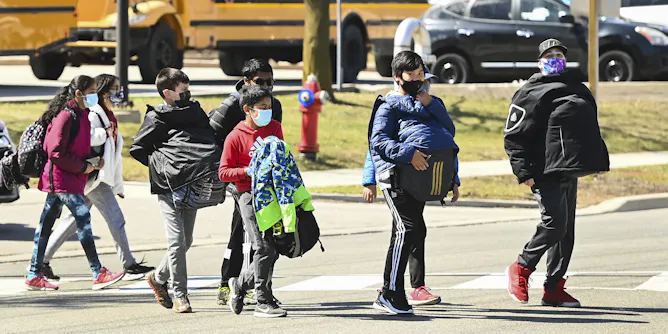
Ontario’s incoming government after the election will have its work cut out for it in restoring the public’s faith after extensive school closures.
Articles on School closures
Displaying 21 - 40 of 94 articles
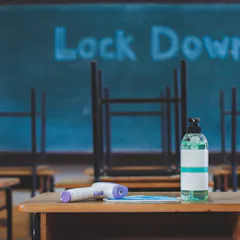
Time out of school erased a year’s worth of schooling for public school learners in South Africa.
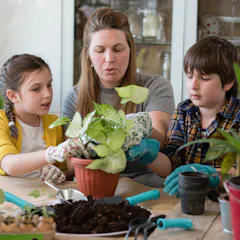
Children missed out on some of the curriculum, but not on learning.
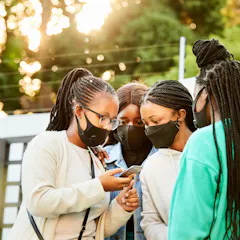
Many young women faced challenges with online learning and studying at home during COVID, but some showed resilience and a determination to achieve their educational goals.
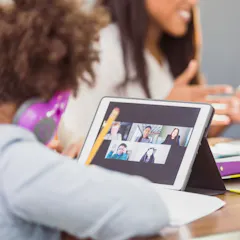
Kindergarten educators who taught from home during COVID-19 and who were primarily responsible for their own children self-reported poorer mental health than those without these responsibilities.
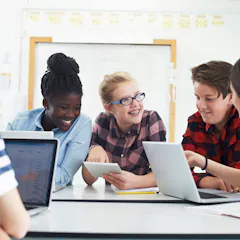
School closures were hard, but led to new skills that should be built upon.
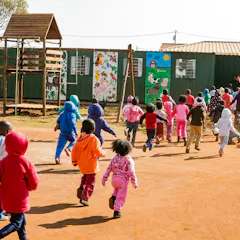
Early childhood development centres in South Africa, particularly in low-income communities, provide services which many of these children and their families wouldn’t cope without.
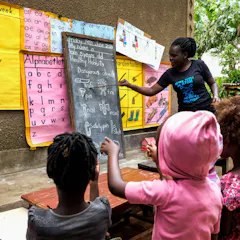
Emerging evidence shows that, for young people, the effects of COVID on education have already been devastating.
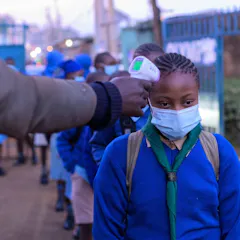
Despite government efforts to provide digital resources for students kept out of school for most of 2020, access to these platforms was deeply unequal

We investigated the initiatives schools around the world took to help support and maintain the well-being of their students and staff. We pulled out seven things that made a difference.
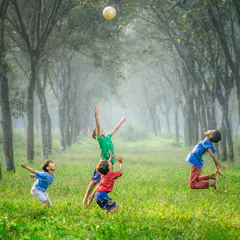
They called for time to play and mental health support.
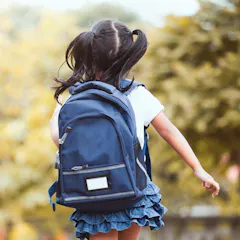
Children are not the primary drivers of Omicron. And for the majority of children, COVID has been a mild disease. But there are many known harms from school closures.
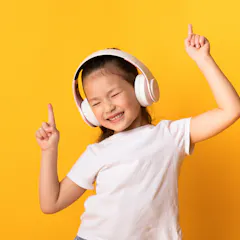
Family music sharing is a way to safely express emotions during school closures, for both children and parents.

Supply chain issues, emergency science, social distancing requirements and a lot more free time offered both challenges and opportunities for research scientists.

Many scientists stuck at home during university closures dealt with increased domestic responsibilities. But some groups had it worse than others.
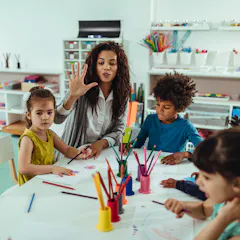
Teachers thought there should be less focus on assessments.
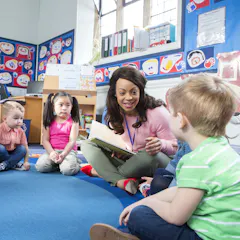
Children who missed part of their reception year were three months behind in reading.
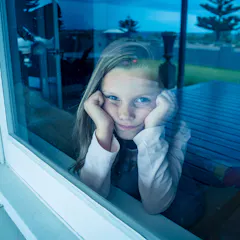
Some studies, but not all, suggest a deterioration in youth mental health.
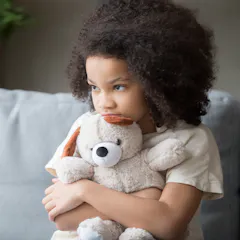
Children have been widely referred to as “vectors” of COVID-19.
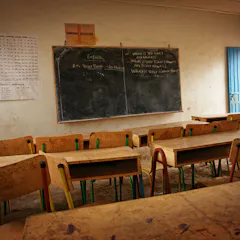
School closures have immediate and long-term effects on students, both emotionally and economically. They will also have a ripple effect on a country and on income inequality.
Top contributors
-

Senior Principal Research Fellow; paediatrician; infectious diseases epidemiologist; vaccinologist, The University of Melbourne
-
Director, Center for Community Child Health Royal Children's Hospital; Professor, Department of Paediatrics, University of Melbourne; Theme Director Population Health, Murdoch Children's Research Institute
-
Research Officer at Medical School, Swansea University
-
Lecturer in Education, Swansea University
-
Executive Director, Youth Impact, Senior Fellow, University of Oxford
-
Professor of Economics and South African Research Chair in the Economics of Social Policy, Stellenbosch University
-
Associate professor, UCL
-
Professor of Education Innovation, De Montfort University
-
Professor, Department of Pediatrics, University of British Columbia
-
Research Associate, Offord Centre for Child Studies, McMaster University
-
Adjunct Professor of Education, Saint Mary’s University
-
Professor of Paediatrics and vaccinologist, Royal Childrens Hospital, University of Melbourne and Murdoch Childrens Research Institute (MCRI); Associate Dean International, University of Melbourne, Murdoch Children's Research Institute
-
Lecturer, Flinders University
-
Distinguished Professor, Faculty of Education, Brock University
-
Adjunct Professor of Epidemiology, University of Colorado Anschutz