
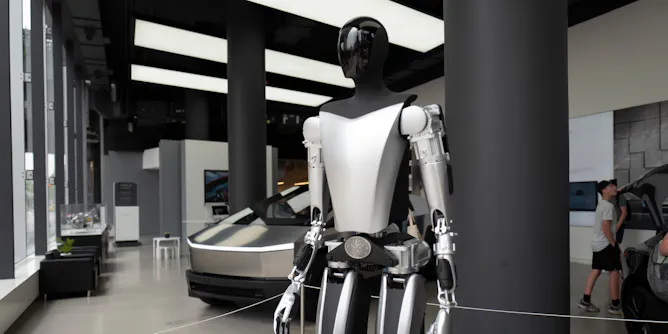
The rise of humanoid robots isn’t just a technical story – it’s a test of how much human connection we’re willing to outsource.
Articles on Robots
Displaying 21 - 40 of 397 articles

What if a robot could show us how the brain represents space and time to keep us balanced?
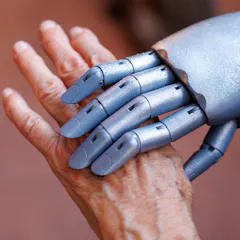
To learn in the way humans do, robots need bodies that feel.

AI slop was the clear winner with honourable mentions including another AI-related word: clanker. But where are the colourful expressions of previous years?
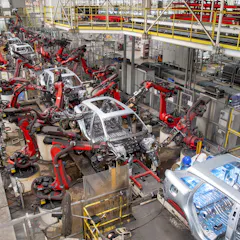
Stories about automation eliminating jobs and reducing wages were once common. But a comprehensive analysis of its actual impact paints a less ominous picture.
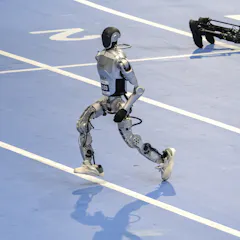
They’re not in our homes yet, but it might be just a matter of time as tech companies bet big on humanoid robots.
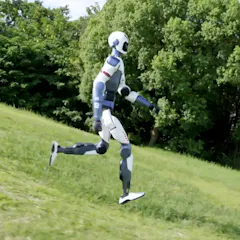
The Unitree R1 robot is versatile, with a human-like range of motion.
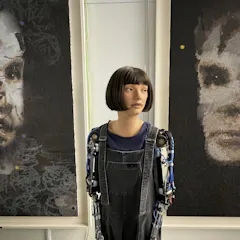
A group of scholars explore how to prepare the next generation of creatives to innovate within human-AI collaborative frameworks.
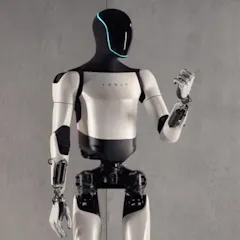
The leading designers are all focused on a ‘brain-first’ approach that insists on controlling everything centrally rather than delegating it around their bodies.

The killer robot is far from a simple villain. It is a mirror held up to cultural questions we have about human autonomy and responsibility in the digital age.

A research team at Simon Fraser University has developed an AI-powered robot that can autonomously water plants and monitor plant health.

Robots in challenging places like disaster zones need energy-efficient systems to find their way.
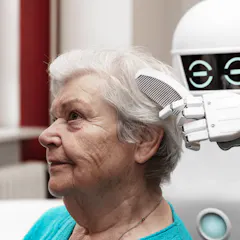
Can a robot help you remember your pills, lift shopping, and even offer companionship? Yes – if it’s co-designed by its users.
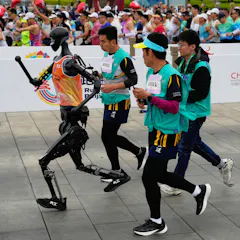
Even the best batteries fall far short of animal metabolism for energy storage. Fueling robots with ‘food’ could narrow the gap.
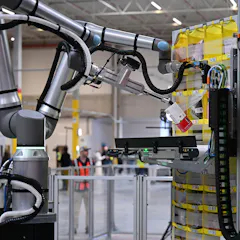
The Vulcan robot will reduce the physical strain of repetitive tasks for human workers.

Through the vehicle of a family drama, Melbourne Theatre Company’s play emphasises the value of embodied knowledge – and how this can never be replaced by AI.
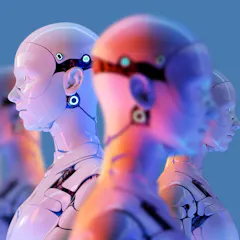
Governments around the world have barely started thinking about the safety issues of the upcoming robotics revolution.

The Antarctic ice sheet is nearly twice the area of Australia and holds enough freshwater to raise global sea levels by 58 metres.

Building an inclusive STEM workforce requires a long-term commitment from individuals, industry and the government.

Don’t hold your breath for domestic robots like Tesla’s Optimus, Unitree G1 or Figure 02.
Top contributors
-

Professor in Robotics, Queensland University of Technology
-
Adjunct Senior Lecturer, Applied Ethics and CyberSecurity, Griffith University
-
Professor, Director of the Centre for Robotics, Queensland University of Technology
-
PhD in machine ethics, University of Canterbury
-
Senior Lecturer, Department of Engineering, Nottingham Trent University
-
Professor of AI, Research Group Leader, UNSW
-
Senior Research Fellow and Deputy Director, Centre for Biomedical Technologies, Queensland University of Technology
-
Reader in Autonomous Intelligent Robotics, University of Birmingham
-
Lecturer in Computer Science, Edinburgh Napier University
-
Lecturer in Digital Media and Cultures, The University of Queensland
-
James Martin Research Fellow, Future of Humanity Institute & Oxford Martin School, University of Oxford
-
Researcher in Artificial Intelligence Regulation, Australian National University
-
Associate professor, Australian Catholic University
-
Professor of Orthopaedic Research, Queensland University of Technology
-
Leverhulme Fellow and Lecturer, Faculty of Law, University of Cambridge