
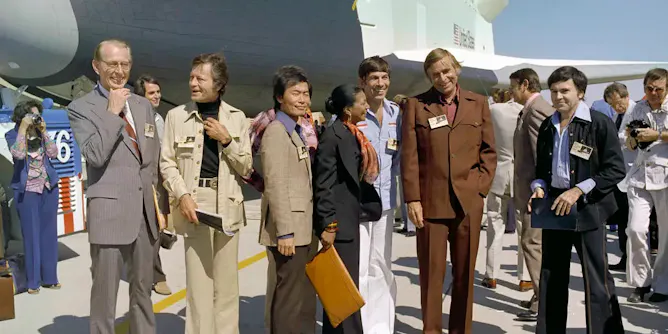
60 years of ‘Star Trek’: A cultural anthropologist on how the show’s “infinite diversity in infinite combinations” conception helped shape NASA’s vision of the future.
Articles on Science fiction
Displaying 1 - 20 of 238 articles
Star Trek has endured because it repeatedly returns to a universal question: what does it mean to be human?
Forty years on, James Cameron’s transformation of Ridley Scott’s horror classic remains a masterclass in how to make a sequel.
Educators can confront AI head on by distinguishing its pattern-recognition skills from its inability to daydream, embody other people and authentically express itself.
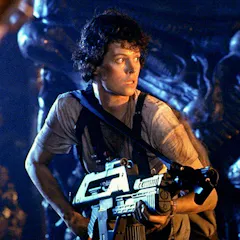
The 1986 science fiction thriller features everything from robotic exoskeletons to terraforming.

The End of Romance is a relatable dystopia that amplifies humanity’s burning problems – but offers a glint of hope

For decades, zinemakers have used their self-published work to forge connections and nurture political movements outside of the mainstream.
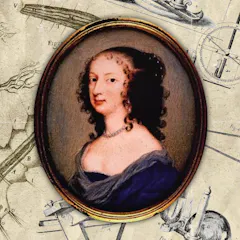
The Blazing World is an amazing vision which ends as bewilderingly as it begins, making the reader’s head spin.
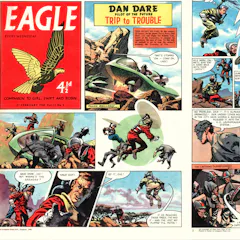
The comic’s accuracy has inspired fans like Stephen Hawking to pursue a career in science.
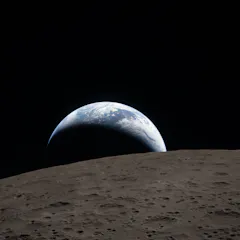
Going to the Moon isn’t just about science. Novelist Jules Verne predicted some of the societal ramifications modern lunar missions are creating today.
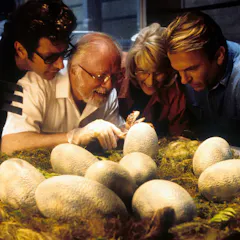
We all know science influences books, movies and TV – but the influence goes both ways.

Curiosity and an openness to new ideas help Ryland Grace, the movie’s protagonist, navigate new discoveries about life in the universe.
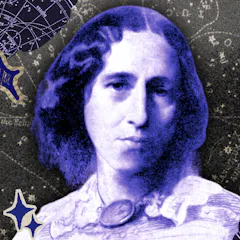
George Eliot saw literature as uniquely capable of extending our sympathies, but her work engaged deeply with scientific questions too.
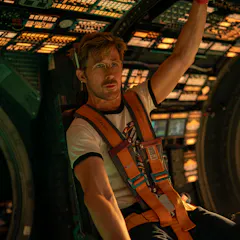
Project Hail Mary reminds us how important our world is – and how vital science is to our continued existence on it.
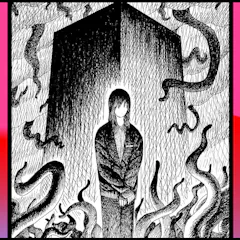
Born from the misogynistic and racist imaginings of HP Lovecraft, a new Korean monster fuelled by feminine rage counters this legacy.
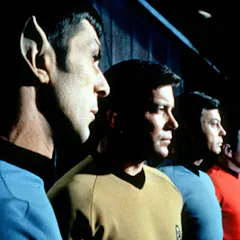
From societies without money to profiteering aliens, the world of Star Trek has more to say about economics than you might think.
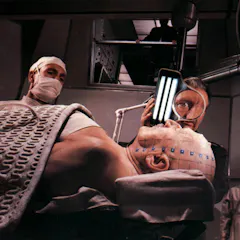
Medicine is on the brink of an era where microscopic devices inside our bodies connect us directly to the digital world.

This fascinating show offers visitors a deeper sense of Le Guin’s maps as world-making and storytelling devices.

From 1980s sci-fi films to today’s blockbusters, filmmakers have wrestled with questions about what happens when humans rely on intelligent machines.

There are parasites on Earth that control the minds of their hosts.
Top contributors
-

Professor, Director of the Centre for Robotics, Queensland University of Technology
-
Senior Lecturer in English, University of Liverpool
-
Senior Lecturer in Film and Media Studies, Manchester Metropolitan University
-
Lecturer in Marketing, Lancaster University
-
Lecturer in Comparative Literature, University of Kent
-
Associate professor, University of Johannesburg
-
Adjunct Research Fellow of The Cairns Institute, James Cook University
-
Professor of Film Studies, Bangor University
-
Professor in Robotics, Queensland University of Technology
-
Assistant Researcher, School of Languages and Culture, The University of Queensland
-
Senior Instrument Scientist, Australian Nuclear Science and Technology Organisation
-
Senior Lecturer in Design, Culture and Context, Nottingham Trent University
-
Professor of English and Comparative Literature, Monash University
-
Associate Professor in Archaeology and Space Studies, Flinders University
-
Scholar in Media and Cultural Studies, Macquarie University