
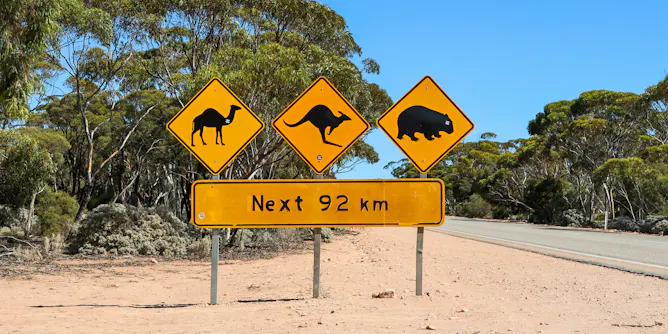
Hitting a large animal at speed can be catastrophic and the risks vary by time of day, season and location.
Articles on Road toll
Displaying all articles

Features like lane-keeping assistance and emergency braking stop crashes – but drivers often find them annoying or confusing.
More lives are being lost on Australian roads despite safer cars and road safety campaigns. We breakdown the groups that are most vulnerable to fatalities.
Driver suicides account for about 9% of all fatal road crashes but many go unreported. Why are they so difficult to identify and what patterns exist?

Men are two and a half times more likely to die in a car crash than women. Here’s how we can make our roads safer for everyone.
One thing we can do to reduce this transport inequity is make it easier for First Nations people to get their driver’s licence. This also brings individuals and communities many other benefits.

The death toll on Australian roads in July was almost a third higher than the five-year average. The 12-month toll was the highest since 2012. A lower speed limit will save lives.
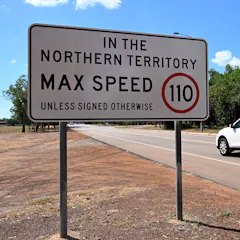
Would copying other states and dropping the default limit by just ten kilometres on country roads in WA and NT make a difference? And how might it be enforced?
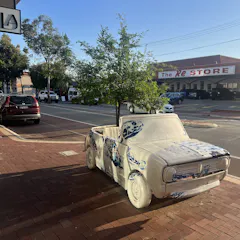
The number of deaths on Australian roads has been increasing steadily year after year. It’s unacceptable not to act on the evidence of what works to boost road safety.
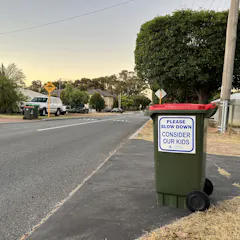
Most drivers admit to speeding and it’s causing an increasing number of deaths on our roads. Using intelligent speed assist technology can reverse this deadly trend.
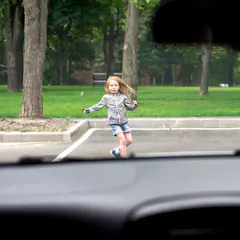
We accept the daily toll of road deaths and injuries as the price we pay to be able to drive everywhere, but it doesn’t have to be this way.

We know young drivers will put themselves in risky situations, which is why strategies to minimise harm also need to be part of their education.
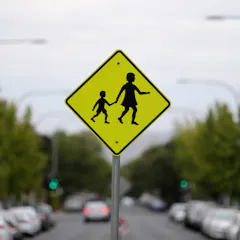
Countries around the world are managing to reduce their road deaths to zero. There are ways Australia can get there too.

While the road toll has come down over the decades, it’s largely a result of fewer car occupants dying. Pedestrian deaths have barely changed for a decade, but they remain a road safety blind spot.
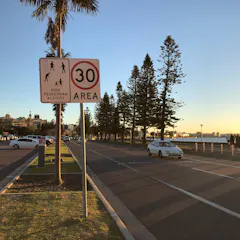
The push for 30km/h speed limits is not about revenue-raising or anti-cars. Even a seemingly small decrease from 40km/h to 30km/h makes a huge difference to the safety and liveability of local streets.

As the holiday season begins after months of reduced travel, wildlife hospitals are braced for a new wave of admissions.

The guidelines are informed by a review of the best available evidence. The less you drink, the lower the risk of harm to your health.
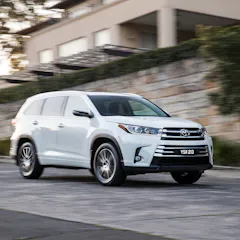
Perceptions about safety might be one of the reasons more and more people are buying SUVs. The evidence from crash data, though, is troubling – particularly for other road users.
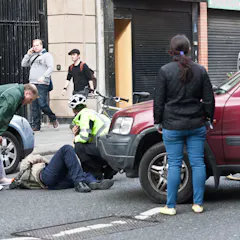
Australia has had an 80% increase in cyclist deaths in 2017-18. With drivers at fault in most collisions, their attitude and behaviour should be the main targets for change.
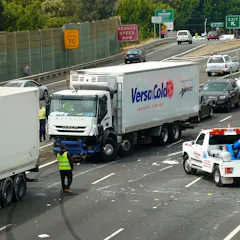
Most road fatalities involving heavy vehicles are caused by the other party, not the truck driver. We need to educate road users on how to be safer around trucks.
Top contributors
-

Associate Professor and Principal Fellow in Urban Risk and Resilience, The University of Melbourne
-
Adjunct Research Fellow, School of Human Sciences, The University of Western Australia
-
Adjunct Research Fellow, Adelaide University
-
Professor and Director of the Western Australian Centre for Road Safety Research, The University of Western Australia
-
Associate Professor, School of Medical Sciences, UNSW, and Program Head, Injury Division, George Institute for Global Health
-
Lecturer, UNSW
-
Lecturer, La Trobe Law School, La Trobe University
-
Senior Lecturer, School of Global, Urban and Social Studies, RMIT University
-
Associate Professor (Research), Monash University Accident Research Centre, Monash University
-
Senior Staff Specialist and Professor of Addiction Medicine, Royal Prince Alfred Hospital and Sydney Medical School, University of Sydney
-
Associate Professor and Deputy Director, Western Australian Centre for Road Safety Research, The University of Western Australia
-
Associate Professor in Public Health, University of East Anglia
-
Senior Lecturer in Urban and Regional Planning, Curtin University
-
Honorary Research Associate in BioSciences, The University of Melbourne
-
Urban Studies Research Scholar, University of Westminster, and Adjunct Lecturer, UNSW