
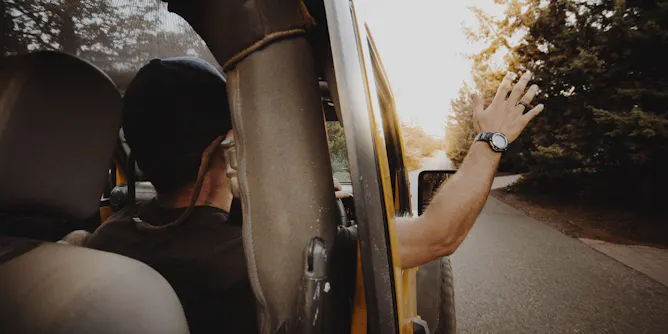
In Australia, many drivers speak different ‘road languages’. Having a universal one could make us all safer.
Articles on Road laws
Displaying all articles

The death toll on Australian roads in July was almost a third higher than the five-year average. The 12-month toll was the highest since 2012. A lower speed limit will save lives.
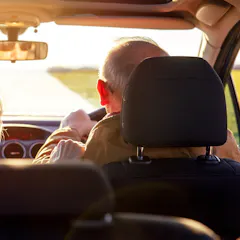
Deciding when someone no longer has the ability to drive safely can be difficult – and it’s not just a matter of age. But there are practical steps we can take to ensure older drivers are safe.
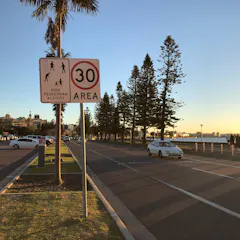
The push for 30km/h speed limits is not about revenue-raising or anti-cars. Even a seemingly small decrease from 40km/h to 30km/h makes a huge difference to the safety and liveability of local streets.
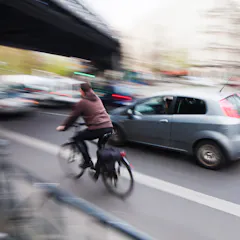
Passing distance laws do change driver behaviour. But new research suggests not all the changes are positive.
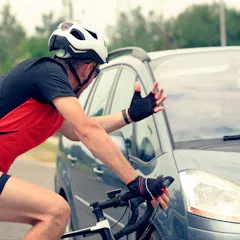
Drivers and cyclists develop distinct identities of themselves and others in ways that mirror the formation of ethnic identities. And on-road segregation runs the risk of reinforcing this process.

Bike helmet laws are meant to be about safety. But the hefty penalties and huge number of fines are causing resentment – made worse by some police abusing the law to stop, question and search riders.
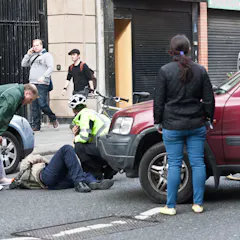
Australia has had an 80% increase in cyclist deaths in 2017-18. With drivers at fault in most collisions, their attitude and behaviour should be the main targets for change.
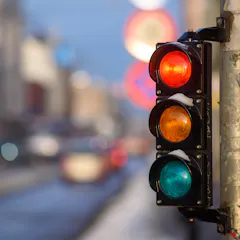
Hundreds of US cities have red light cameras to try to catch traffic violations and prevent accidents. But research shows that the cameras may encourage other types of accidents.
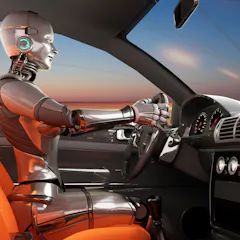
Autonomous cars need to learn how to drive just like people do: with real-world practice on public roads. It’s key to safety, and to public confidence in the new technologies.
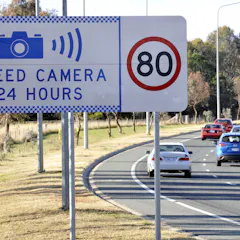
Wider societal issues are driving road user behaviour, which cannot be fixed by taking a traditional road safety approach.
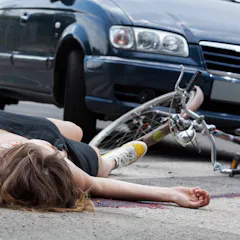
The primacy given to the car has shaped our cities, the roads that serve them and our very thinking about the place of driving in our lives. And it’s a mindset that leaves cyclists highly vulnerable.
Car seats and their endless harnesses, straps and buckles feel like an engineering nightmare for parents. But they work.
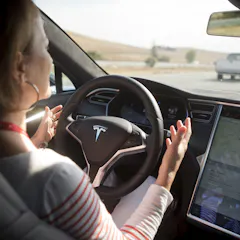
Unlike a driver, the way a self-driving car responds to emergencies is programmed –decided in advance. We need to sort out the legal questions of responsibility this raises, and soon.
Top contributors
-

Senior Research Fellow in Human Factors & Sociotechnical Systems, University of the Sunshine Coast
-
Research Fellow, University of the Sunshine Coast
-
Professor, Western Sydney University
-
Lecturer in Anthropology, Australian National University
-
Senior Research Scientist, Texas A&M Transportation Institute, Texas A&M University
-
Professor of Human Factors, University of the Sunshine Coast
-
Assistant Professor of Economics, Case Western Reserve University
-
Senior Lecturer in Criminology and Justice, RMIT University
-
Associate Professor, Faculty of Medicine and Melbourne School of Design, The University of Melbourne
-
Lecturer, La Trobe Law School, La Trobe University
-
Director, Tas Law Reform Institue / Associate Professor, University of Tasmania, University of Tasmania
-
Senior Research Fellow , Neuroscience Research Australia
-
Adjunct Research Fellow, School of Human Sciences, The University of Western Australia
-
Senior Lecturer in Urban Planning, The University of Melbourne
-
Lecturer, School of Psychological Science, The University of Western Australia