
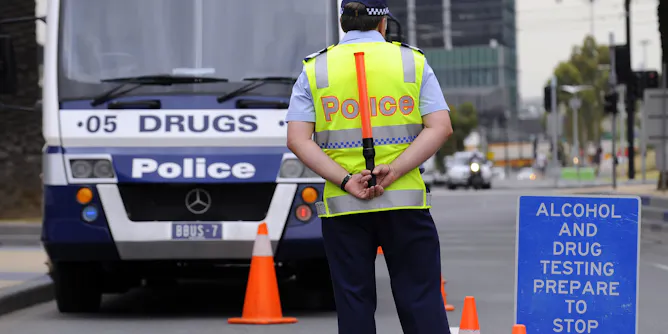
Drink driving in Australia is declining thanks to the right mix of laws, visibility and social messaging. Four strategies could make a difference with drug driving.
Articles on Road trauma
Displaying all articles

The death toll on Australian roads in July was almost a third higher than the five-year average. The 12-month toll was the highest since 2012. A lower speed limit will save lives.
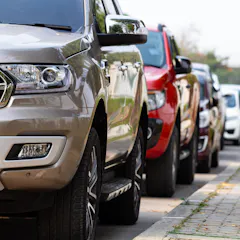
We’re seeing more big cars on the road. What does this mean for safety?
Many measures commonly thought to reduce the toll of animals injured and killed on our roads aren’t effective. But there is evidence to support other solutions.
The growing popularity of e-scooters has seen a surge in related injuries. They may not be more common than cycling injuries – but they may be more serious.

We accept the daily toll of road deaths and injuries as the price we pay to be able to drive everywhere, but it doesn’t have to be this way.

We know young drivers will put themselves in risky situations, which is why strategies to minimise harm also need to be part of their education.

While the road toll has come down over the decades, it’s largely a result of fewer car occupants dying. Pedestrian deaths have barely changed for a decade, but they remain a road safety blind spot.
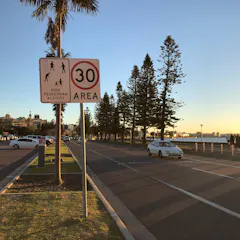
The push for 30km/h speed limits is not about revenue-raising or anti-cars. Even a seemingly small decrease from 40km/h to 30km/h makes a huge difference to the safety and liveability of local streets.
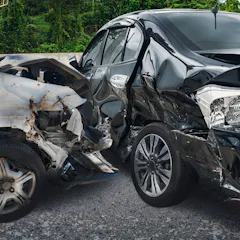
The inability to curb road accidents in Ghana is tied to colonial and neocolonial legacies.

As the holiday season begins after months of reduced travel, wildlife hospitals are braced for a new wave of admissions.
Top contributors
-

Associate Professor and Principal Fellow in Urban Risk and Resilience, The University of Melbourne
-
Senior Lecturer in Physiotherapy, Swinburne University of Technology
-
Honorary Research Associate in BioSciences, The University of Melbourne
-
Associate Professor and Head of Sustainable Mobility and Safety Research, Monash University
-
Professor in Supply Chain and Freight Innovation, Swinburne University of Technology
-
Honorary Principal Fellow, School of BioSciences, The University of Melbourne
-
Professor and Director of the Western Australian Centre for Road Safety Research, The University of Western Australia
-
Senior Lecturer, Environmental Social Sciences, The University of Melbourne
-
Urban Studies Research Scholar, University of Westminster, and Adjunct Lecturer, UNSW
-
Professor in Urban Mobility Futures, University of Amsterdam
-
Lecturer, UNSW
-
Adjunct Research Fellow, School of Human Sciences, The University of Western Australia
-
Associate Professor, School of Medical Sciences, UNSW, and Program Head, Injury Division, George Institute for Global Health
-
Adjunct Research Fellow, Adelaide University
-
Associate Professor in Urban and Regional Planning, University of Sydney