
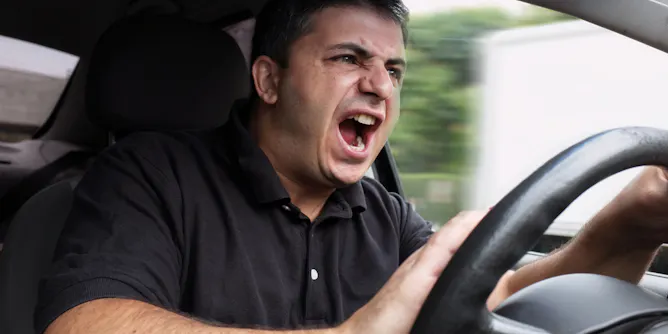
It’s the holidays and for many of us, that means driving. Here’s how to keep your cool on the road this summer.
Articles on Road safety
Displaying 81 - 100 of 212 articles

Residential ‘stroads’ – neighbourhood streets that have become rat runs for through traffic – can be turned back into safe, mixed-use streets that put residents’ and children’s needs first.
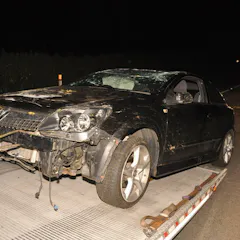
Fatal road injuries are among the top 10 causes of death in Ghana.

The quality of asphalt binder — the glue that holds roads together — influences their condition. Binder made from Alberta bitumen is low in waxes and could extend pavement lifespan.

Traffic crashes kill and injure millions worldwide every year and are a major drain on economic development. Improving road safety would produce huge payoffs, especially in lower-income countries.
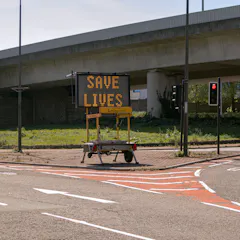
A study of displayed road signs in Texas shows that, surprisingly, safety messages may actually make roads less safe.

Our findings suggest many people believe they are regularly exposed to pro-speeding content online or via friends, and this might increase their risk of speeding in the real world.
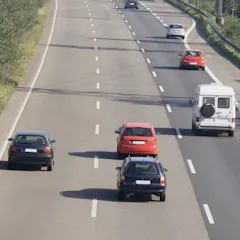
We need to do more to curb tailgating, one of the most stressful and dangerous driving behaviours.
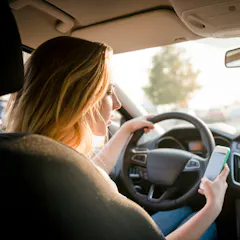
Our results suggest police location groups and pages on Facebook are helping drivers avoid detection for drug driving - with potentially fatal consequences.
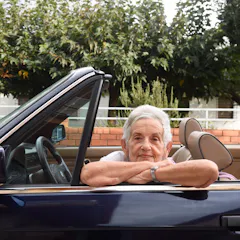
We’re driving for longer than ever before and, in the UK, there’s no requirement for a GP to tell us we might be up to the task.

Large numbers of trucks not only add to road construction and maintenance bills, they also make our roads less safe and more congested and add to noise and air pollution.

We know young drivers will put themselves in risky situations, which is why strategies to minimise harm also need to be part of their education.
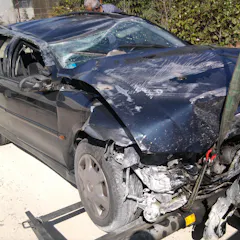
Current methods of road carnage prevention in Ghana have proved unsuccessful .

Eight of the ten top-selling passenger vehicles in New Zealand are now utes or SUVs. With carbon emissions reduction an urgent priority, that’s not a sustainable trend.

While the road toll has come down over the decades, it’s largely a result of fewer car occupants dying. Pedestrian deaths have barely changed for a decade, but they remain a road safety blind spot.
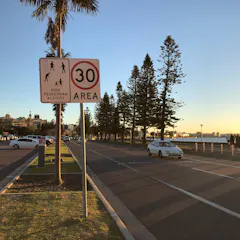
The push for 30km/h speed limits is not about revenue-raising or anti-cars. Even a seemingly small decrease from 40km/h to 30km/h makes a huge difference to the safety and liveability of local streets.
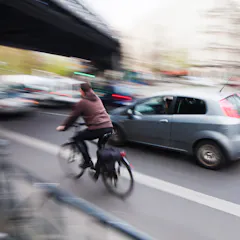
Passing distance laws do change driver behaviour. But new research suggests not all the changes are positive.

Electric vehicles can have more than one source of power, meaning they can be controlled better.

Electric scooter rides soared from zero to 88 million a year between 2017 and 2019. But launching e-scooters in cities without safe infrastructure or clear rules of the road can be deadly.
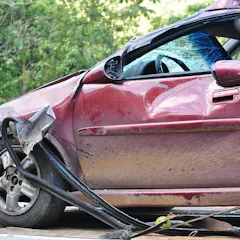
Authority culpability as a facet of road accidents has been overlooked in Ghana.
Top contributors
-

Associate Professor and Principal Fellow in Urban Risk and Resilience, The University of Melbourne
-
Adjunct Fellow in Psychological Sciences, Macquarie University, Macquarie University
-
Senior Research Associate, University of Oxford
-
Adjunct Research Fellow, School of Human Sciences, The University of Western Australia
-
Senior Lecturer in Urban Planning, University of Auckland, Waipapa Taumata Rau
-
Associate Professor, Faculty of Medicine and Melbourne School of Design, The University of Melbourne
-
Senior Research Fellow in Road Safety Research, University of the Sunshine Coast
-
Senior Research Fellow in Human Factors & Sociotechnical Systems, University of the Sunshine Coast
-
PhD Candidate, University of the Sunshine Coast
-
Research Lead, UQ Micromobility Research Cluster, The University of Queensland
-
Senior Lecturer in Psychology, Director of Undergraduate Studies in Psychology, Macquarie University
-
Senior Researcher, Institute of Transport Studies, Monash University
-
Honorary Principal Fellow, University of Wollongong
-
Professor of Applied Cognitive Psychology, The Open University
-
Adjunct professor of mechanical engineering, Tufts University