
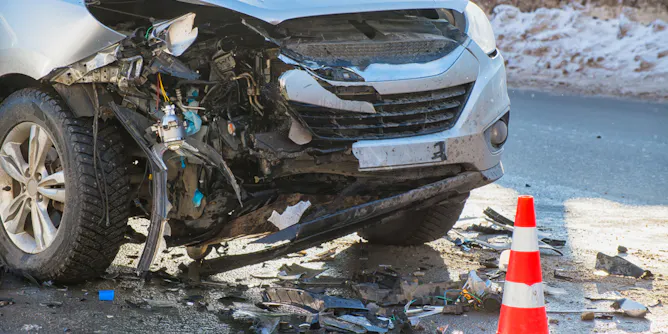
Road traffic injuries are one of the leading causes of death worldwide.
Articles on Road safety
Displaying 121 - 140 of 212 articles
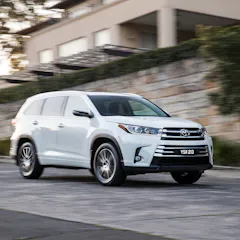
Perceptions about safety might be one of the reasons more and more people are buying SUVs. The evidence from crash data, though, is troubling – particularly for other road users.
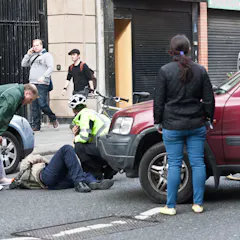
Australia has had an 80% increase in cyclist deaths in 2017-18. With drivers at fault in most collisions, their attitude and behaviour should be the main targets for change.

Young people raised their voices in the streets and online – but a government crackdown seeks to silence them.
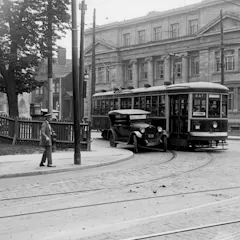
Torontonians have been experiencing pedestrian and bicyclist fatalities since the advent of the automobile. The one way to stop the deaths is to ban cars but since that won’t happen, what can be done?
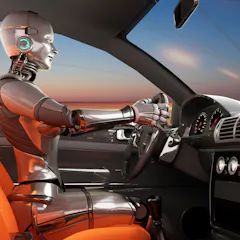
Autonomous cars need to learn how to drive just like people do: with real-world practice on public roads. It’s key to safety, and to public confidence in the new technologies.
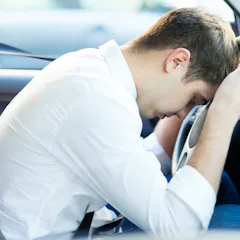
A survey found very few people are aware of the social and health benefits from the wide scale use of autonomous vehicles. But their attitudes change with a little extra information.
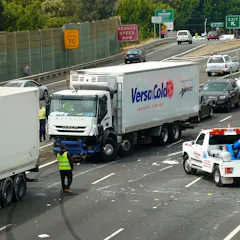
Most road fatalities involving heavy vehicles are caused by the other party, not the truck driver. We need to educate road users on how to be safer around trucks.

Collisions at intersections between motor vehicles, cyclists and pedestrians cause many deaths and injuries. Design that considers how each group approaches intersections improves everyone’s safety.
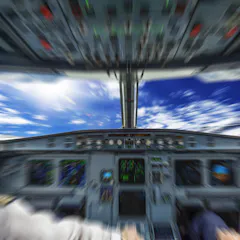
For a full picture of any given situation, we must be able to read it, understand it and anticipate what could happen next.
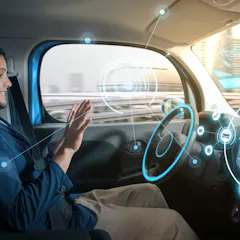
Do people really trust driverless cars to carry them safely to their destinations? New research shows that we are ready to use driverless cars in certain situations but not others, yet.

Humans and machines perceive the world differently and respond in different ways to what they perceive. This lays the groundwork for conflict – and crashes.
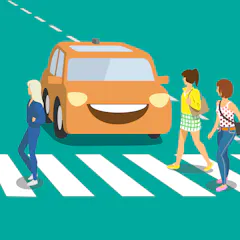
In the wake of a self-driving Uber car killing a pedestrian in Arizona, an ethicist examines the state of autonomous vehicle development.
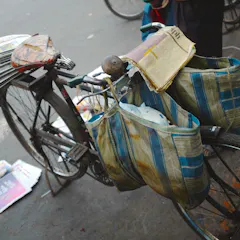
Cycling is a low-cost and non-polluting way to make deliveries in congested cities. Slow cyclists should be recognised as good for the economy and environment, not treated like second-class citizens.
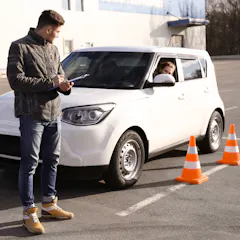
There’s a common, popular and well-studied method to ensure new technologies are safe and effective for public use – even if researchers don’t fully understand how they work.
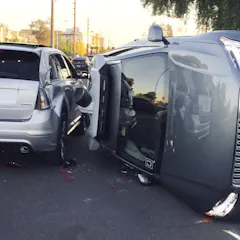
Comparing crash rates between humans and self-driving cars requires more data than anyone currently collects. And some of it will be quite hard to figure out.
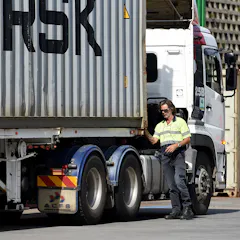
Analysis shows that productivity-based payments are associated with recognised unsafe work practices including longer hours of driving and fewer rest breaks.

A rethink in the approach to road freight transport safety is urgently required to reduce fatalities and injuries.
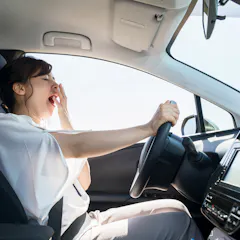
Human-operated cars affect health in three main ways, all negatively. How might driverless cars be healthier?
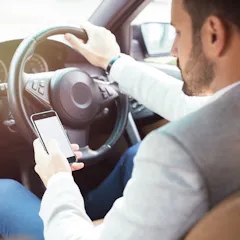
Road safety campaigns targeting mobile phone use among drivers should emphasise how perceived social pressure is not an acceptable excuse for engaging in the behaviour.
Top contributors
-

Associate Professor and Principal Fellow in Urban Risk and Resilience, The University of Melbourne
-
Adjunct Fellow in Psychological Sciences, Macquarie University, Macquarie University
-
Senior Research Associate, University of Oxford
-
Adjunct Research Fellow, School of Human Sciences, The University of Western Australia
-
Senior Lecturer in Urban Planning, University of Auckland, Waipapa Taumata Rau
-
Associate Professor, Faculty of Medicine and Melbourne School of Design, The University of Melbourne
-
Senior Research Fellow in Road Safety Research, University of the Sunshine Coast
-
Senior Research Fellow in Human Factors & Sociotechnical Systems, University of the Sunshine Coast
-
PhD Candidate, University of the Sunshine Coast
-
Research Lead, UQ Micromobility Research Cluster, The University of Queensland
-
Senior Lecturer in Psychology, Director of Undergraduate Studies in Psychology, Macquarie University
-
Senior Researcher, Institute of Transport Studies, Monash University
-
Honorary Principal Fellow, University of Wollongong
-
Professor of Applied Cognitive Psychology, The Open University
-
Adjunct professor of mechanical engineering, Tufts University