
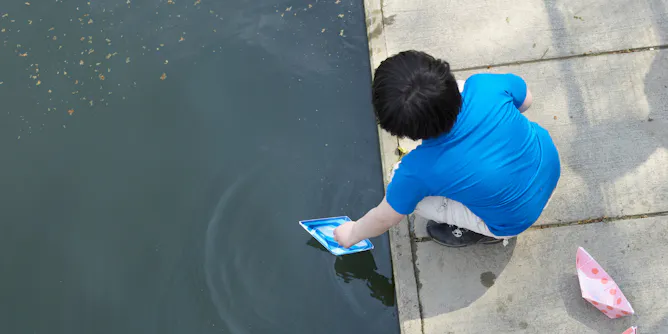
How can parents and educators assist children and youth with dealing with everyday challenges and stresses?
Articles on Resilience
Displaying 181 - 200 of 261 articles
Paying to get your kids into prestigious universities is an example of a ‘bulldozer parenting’ trend, which reduces exposure to failure and can lead to mental health difficulties.

Children’s lives are being stifled. No longer are they able to spend time with friends unsupervised, explore their community or hang around in groups without being viewed with suspicion.

Even superheroes can’t do it alone – relationships are the most important factor in protecting us from negative outcomes and teaching us adversity doesn’t have to be harmful.
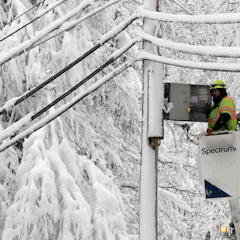
Making electric grids better able to withstand extreme weather events will require teamwork from engineers, researchers and the government.

Building resilience is not the way to tackle burnout.
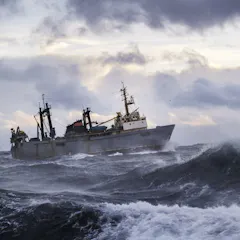
Hazardous professions including agriculture and heavy engineering are already having to find ways to adapt.

Words matter because they influence the way we understand environmental problems and shape their solutions.

Canadian speed skater and cyclist Clara Hughes, British tennis player Andy Murray and American gymnast Simone Biles all have something in common: adverse childhood experiences.

To improve access to locally grown food and help prevent disruptions to supply chains caused by climate change, we need to support farming on the fringes of cities.
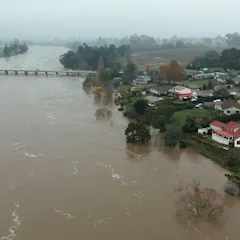
The differences between owners and the growing number of renters, and between rural and urban areas, point to explanations other than affordability for the one-in-two Australians who are underinsured.
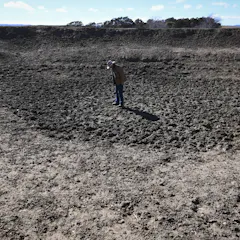
While drought insurance schemes have produced mixed results to date, there remains hope for the future.
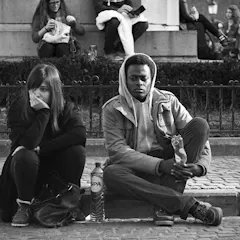
People who are more open-minded seem to be less bothered about closure.

A psychologist explains how to improve your ability to respond to challenges.
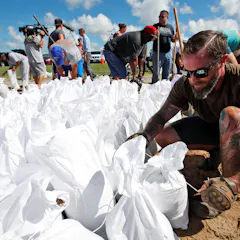
Many factors can influence people to evacuate or stay in place when disasters loom. Research using Facebook posts suggests that people with broad social networks are more apt to get moving.

Research confirms what the world’s elite sports stars already know – being kinder to yourself, and to others, and being grateful is good for your mental health.

Everybody benefits from more resilient children.
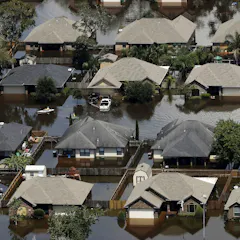
Many people board up their houses and stay in place during disasters – but often they aren’t prepared to go without water, power or transportation for days or weeks afterward.

A developmental psychologist explains how she uses Harry Potter books to make child development more relatable to first-year college students, many of whom grew up on the wildly popular books.
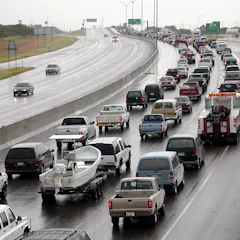
Many factors can influence people to evacuate or stay in place when disasters threaten. New research using Facebook posts suggests that people with broad social networks are more apt to move.
Top contributors
-

Professor of Political Science, Public Policy and Urban Affairs, Northeastern University
-
Associate Professor and Canada Research Chair in Human Dimensions of Water Resources and Water Resilience, Brock University
-
Lecturer in Applied Sport & Exercise Psychology, University of Portsmouth
-
Associate Professor, Environmental Sustainability Research Centre, Brock University
-
Assistant Professor of Communication and Cognitive Science, University of California, Davis
-
Professor of Psychology, The University of Texas at Austin
-
Doctor of Philosophy, University of British Columbia
-
Executive Director, Sustainable & Resilient Economy, The Ohio State University
-
Assistant Professor, Department of Educational and Counselling Psychology and Canada Research Chair in Youth Suicide Prevention, McGill University
-
Lecturer in Psychology, University of Bradford
-
Associate Professor, Macquarie University
-
Senior Lecturer, School of Global, Urban and Social Studies, RMIT University
-
Assistant Professor, McGill Group for Suicide Studies, Department of Psychiatry, Faculty of Medicine and Health Sciences, McGill University
-
Associate professor, University of Johannesburg
-
Associate Professor, International Research Institute of Disaster Science, Tohoku University