
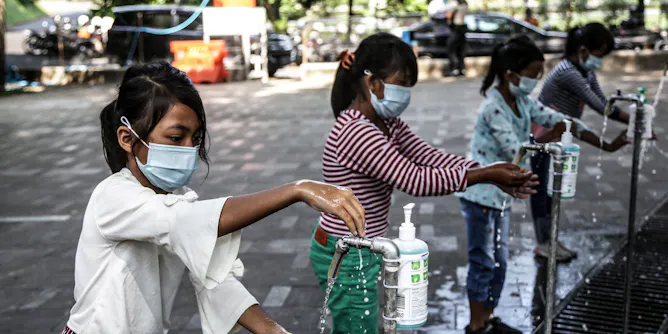
People often turn to rituals to promote health and reduce anxiety during periods of high risk.
Articles on Resilience
Displaying 141 - 160 of 261 articles
Parents can take a page from psychological research on trauma and recovery to help kids struggling with pandemic life.

Don’t Call Me Resilient is a provocative podcast about race that goes in search of solutions for those things no one should have to be resilient for.
The small fire and heatwave prone town of Tarnagulla got together, applied for funding and co-produced a resilience action plan so they’re better prepared for the next disaster.
One interviewee told us: ‘It would’ve been lovely if somebody had cared.’

Five coping strategies to boost your resilience to see you through the final phases of the pandemic.
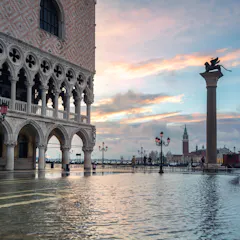
With growing drought, rising seas and heavier storms, how do we protect Venice and other world treasures? The answer: creative, proactive measures that may alter them in important ways.
As uncertainty abounds and anxiety skyrockets, you’ve probably heard advice to be patient, stay calm and keep the faith. Here are 10 concrete tips to help you actually manage the stress.
Hope may be a better option.
Children struggle amidst adversity, but these tumultuous and highly emotional times make it a critical time to teach ‘resilience’ – giving kids coping skills.
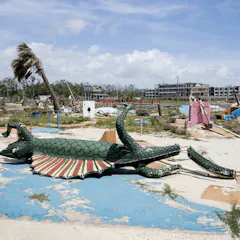
After the news media move on from a major disaster site, rebuilding continues for years.
The radical hope we find in the arts, culture and literature is often a reflection of the times. Drawing from the past there are many examples of how dreams can become a form of resilience.
An evolutionary psychologist, politics expert and sustainability scientist discuss the potential for humanity to plan for the long term future.
Ita Buttrose may be right. The evidence does suggest younger workers are less resilient. But we shouldn’t make too much of it.
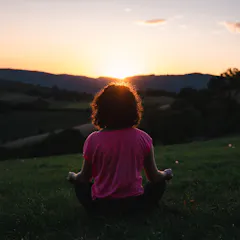
As the pandemic drags on, uncertainty and fears about health and safety mix with confusion and challenges tied to re-opening society. You need flexibility when picking your coping strategies.
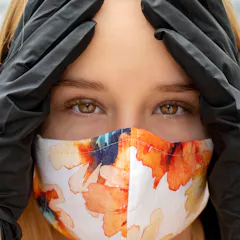
In the time of the coronavirus, learning how to adapt to adversity belongs in your toolkit.

Mental health is more than just the absence of mental illness. Positive mental health involves feeling good and functioning well, and there are ways to improve even if you don’t have a mental illness.
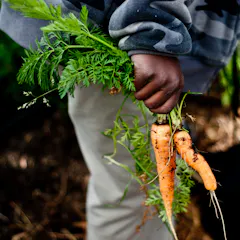
Victory gardens were popular during wartime, and have made a comeback during the current pandemic.

Dads have taken over TikTok since social isolation began. More than a way to kill time at home, laughter and fun dancing times can build family bonds, reduce stress and cultivate a resilient mindset.
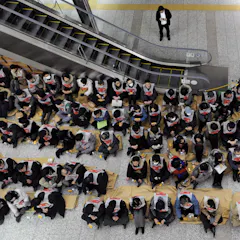
Japan took a fresh approach to ensuring their society was more resilient to the frequent earthquakes they experience. We could learn from its experience.
Top contributors
-

Professor of Political Science, Public Policy and Urban Affairs, Northeastern University
-
Associate Professor and Canada Research Chair in Human Dimensions of Water Resources and Water Resilience, Brock University
-
Lecturer in Applied Sport & Exercise Psychology, University of Portsmouth
-
Associate Professor, Environmental Sustainability Research Centre, Brock University
-
Assistant Professor of Communication and Cognitive Science, University of California, Davis
-
Professor of Psychology, The University of Texas at Austin
-
Doctor of Philosophy, University of British Columbia
-
Executive Director, Sustainable & Resilient Economy, The Ohio State University
-
Assistant Professor, Department of Educational and Counselling Psychology and Canada Research Chair in Youth Suicide Prevention, McGill University
-
Lecturer in Psychology, University of Bradford
-
Associate Professor, Macquarie University
-
Senior Lecturer, School of Global, Urban and Social Studies, RMIT University
-
Assistant Professor, McGill Group for Suicide Studies, Department of Psychiatry, Faculty of Medicine and Health Sciences, McGill University
-
Associate professor, University of Johannesburg
-
Associate Professor, International Research Institute of Disaster Science, Tohoku University