

By investing in learning, believing in your capabilities and vision, harnessing failure as fuel for growth and leaning on social support, anyone can become a psychologically resilient entrepreneur.
Articles on Resilience
Displaying 101 - 120 of 261 articles

If you found the COVID pandemic affected you differently to your friends, it could be down to your DNA.
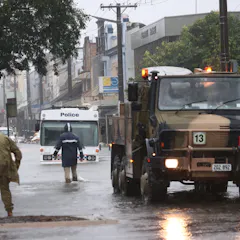
The federal election presents an opportunity to promote plans for improving national disaster governance and resilience. But the silence on these issues in political debates has been remarkable.

There are ways to convey the hard scientific facts about climate change and help young generations adapt in the face of adversity and manage change over time.
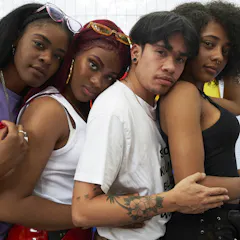
Being both trans and a person of color comes with a unique set of challenges. Collectively working toward overcoming these barriers is one way this community fights for survival.
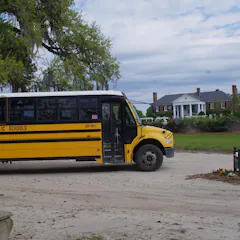
Plantation museums could be ideal venues for students to learn about the nation’s history of race-based slavery, but only if they stop whitewashing the horrors of what took place on their grounds.
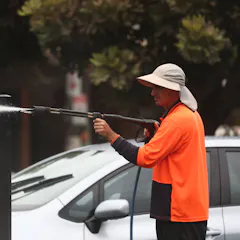
About two-thirds of people affected by disasters such as floods return to their usual level of psychological well-being. But some people are at risk of lasting distress.
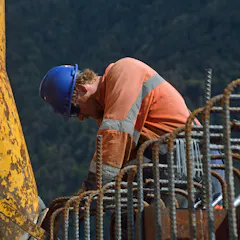
The construction sector has long suffered from lack of co-ordination, poor planning and vulnerability to shocks. If the country’s building and infrastructure needs are to be met, that has to change.

Canada’s ‘us against them’ COVID-19 strategy is amplifying social division, creating major psychosocial impacts, and has resulted in a significant decrease in trust toward authorities.
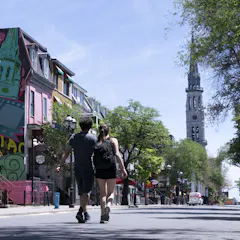
Preliminary research suggests cultural and social services retain or attract employees hard hit by plant closures in other communities. Preserving them may help cities withstand future crises.
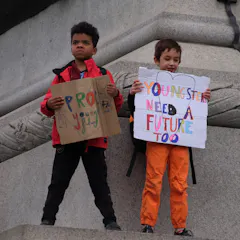
Some children and youth find the effects of climate change are traumatic. Taking a trauma-informed approach to education can nurture resilience.

After Premier Doug Ford announced “positive news,” I think about the widening inequality in our province, who the news is “positive” for and the death of caremongering.

As Canada welcomes refugees from Afghanistan, we must take a moment to learn from the past. Communities across Canada need to be asking how they can be supporting young refugees in their integration.
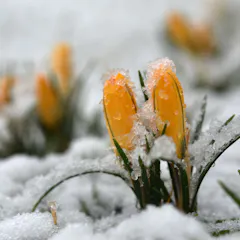
Five articles on the meanings of hope and how to think about resilience, healing and even joy in the midst of this winter’s bleakness.

Remorse and sorrow from a bad choice can haunt you for years, even decades. But there are evidence-based ways to move past regret.

Research shows that people with more flow in their lives had a higher sense of well-being during the COVID-19 pandemic. Scientists are beginning to explore what happens in the brain during flow.
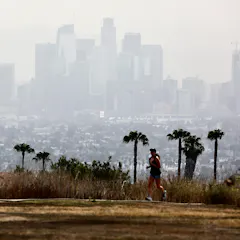
Southern California is on the front line of climate change, and recent survey data shows that residents are feeling its effects in many ways.
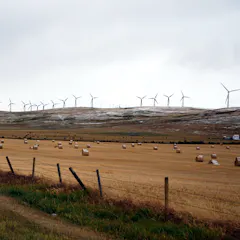
Rural communities are coming together to support their own resilience. The rest of Canada needs to follow suit.

There is more than one way to pursue happiness and to cope with the inevitable low times in life.
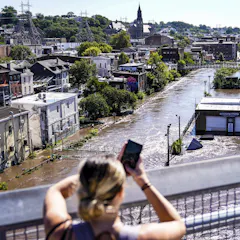
More than half of the world’s population lives in cities, and that share is growing. Rapid climate change could make many cities unlivable in the coming decades without major investments to adapt.
Top contributors
-

Professor of Political Science, Public Policy and Urban Affairs, Northeastern University
-
Associate Professor and Canada Research Chair in Human Dimensions of Water Resources and Water Resilience, Brock University
-
Lecturer in Applied Sport & Exercise Psychology, University of Portsmouth
-
Associate Professor, Environmental Sustainability Research Centre, Brock University
-
Assistant Professor of Communication and Cognitive Science, University of California, Davis
-
Professor of Psychology, The University of Texas at Austin
-
Doctor of Philosophy, University of British Columbia
-
Executive Director, Sustainable & Resilient Economy, The Ohio State University
-
Assistant Professor, Department of Educational and Counselling Psychology and Canada Research Chair in Youth Suicide Prevention, McGill University
-
Lecturer in Psychology, University of Bradford
-
Associate Professor, Macquarie University
-
Senior Lecturer, School of Global, Urban and Social Studies, RMIT University
-
Assistant Professor, McGill Group for Suicide Studies, Department of Psychiatry, Faculty of Medicine and Health Sciences, McGill University
-
Associate professor, University of Johannesburg
-
Associate Professor, International Research Institute of Disaster Science, Tohoku University