
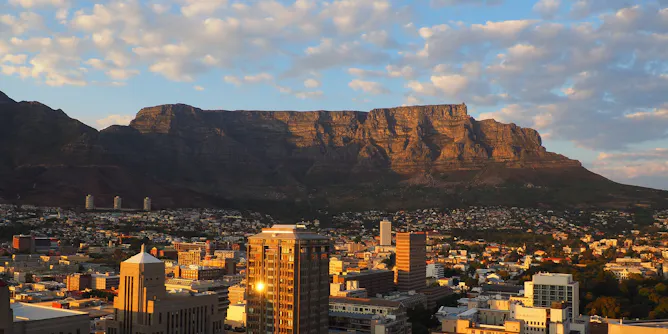
Cape Town faced down “Day Zero” earlier this year, but that doesn’t mean its water system is resilient. Other cities should also take note.
Articles on Resilience
Displaying 201 - 220 of 261 articles
Teenagers with HIV in childcare facilities have to deal with the challenges of adolescence
while living with the disease.
Tackling climate change in African cities is difficult but multiple perspectives from all over the continent can help.
Bangalore’s forgotten water wells are being revived, to help the city overcome centuries-old supply issues.
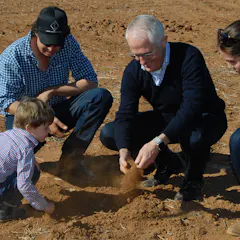
Southern Australia’s debate may be exacerbated by climate change, but it’s not that simple.
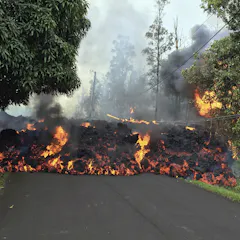
Fountains of lava from Hawaii’s Kilauea volcano are dramatic, but the most deadly impacts of volcanic eruptions are toxic gases and ash and mud flows.

Youth mental illness rates are not rising. We don’t need more pills or therapy. We need to stop pathologizing normal life.

Research shows that exercise offers promise – as an alternative to prescription opioids – for relieving chronic pain.
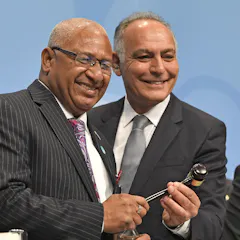
Although climate change threatens the world’s small island nations, many can find ways to adapt and preserve their homes and cultures – especially if wealthy countries cut emissions and provide support.
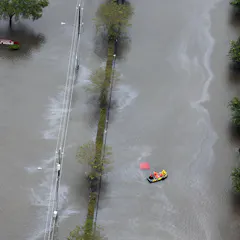
It’s not just about rebuilding infrastructure after storms: Cities need to systematically rethink their knowledge systems which are at the heart of urban resilience.
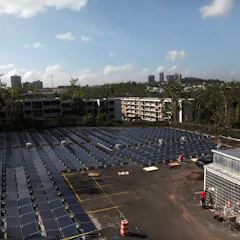
Yes, Puerto Rico and any other storm-vulnerable location could benefit from on-site solar and battery backup, but it’s unrealistic to say these microgrids are enough to power the island.
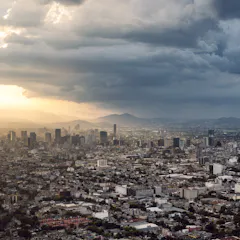
Many of Greater Mexico City’s 22m residents aren’t receiving the help they need.
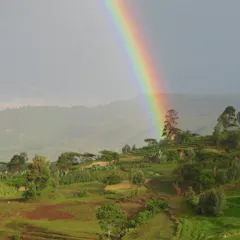
According to the UN, world hunger is rising for the first time in 15 years. The answer is not only growing more food, but also buffering small-scale farmers against climate change and armed conflicts.
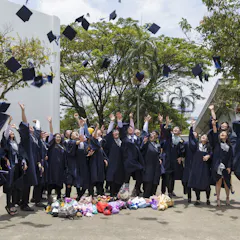
Jobs of the future will require emotional intelligence to complement the sophisticated machines we work with, so we need to equip young people with this vital skill
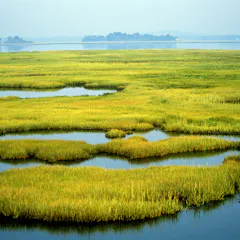
New research by scholars, conservationists and the insurance industry shows that coastal wetlands provide hundreds of millions of dollars’ worth of protection from flooding, boosting the case for protecting them.
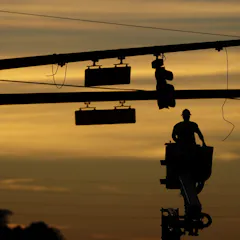
As Texas and Florida rebuild after Hurricane Harvey and Hurricane Irma, they should plan for future climate change and design infrastructure that can respond to and recover from extreme events.
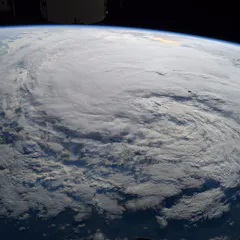
Three atmospheric scientists from Texas say Hurricane Harvey shows how the country needs to adapt to the effects of climate change and cut carbon emissions.

The violence in Charlottesville affects all children, but racially motivated attacks make children of color feel particularly vulnerable. Here are some ways to protect them.
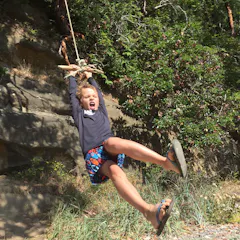
Did you know there has never been a safer time to be a child in Canada? Research shows that kids need freedom outdoors to explore exhilaration and fear, and discover their own limits.
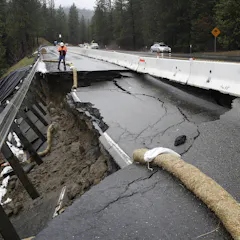
The American Society of Civil Engineers gives US infrastructure a D+. What is it that we’re doing wrong?
Top contributors
-

Professor of Political Science, Public Policy and Urban Affairs, Northeastern University
-
Associate Professor and Canada Research Chair in Human Dimensions of Water Resources and Water Resilience, Brock University
-
Lecturer in Applied Sport & Exercise Psychology, University of Portsmouth
-
Associate Professor, Environmental Sustainability Research Centre, Brock University
-
Assistant Professor of Communication and Cognitive Science, University of California, Davis
-
Professor of Psychology, The University of Texas at Austin
-
Doctor of Philosophy, University of British Columbia
-
Executive Director, Sustainable & Resilient Economy, The Ohio State University
-
Assistant Professor, Department of Educational and Counselling Psychology and Canada Research Chair in Youth Suicide Prevention, McGill University
-
Lecturer in Psychology, University of Bradford
-
Associate Professor, Macquarie University
-
Senior Lecturer, School of Global, Urban and Social Studies, RMIT University
-
Assistant Professor, McGill Group for Suicide Studies, Department of Psychiatry, Faculty of Medicine and Health Sciences, McGill University
-
Associate professor, University of Johannesburg
-
Associate Professor, International Research Institute of Disaster Science, Tohoku University