
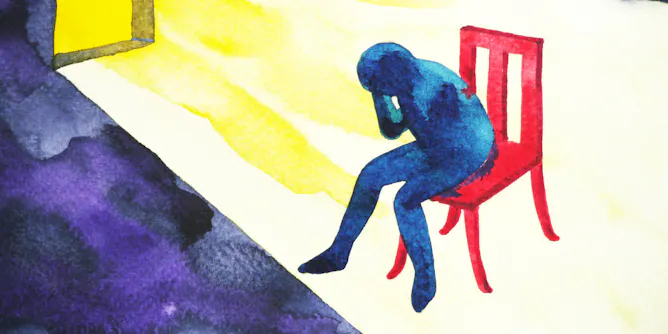
Early life influences have been linked to higher risk of suicide later in life. Reducing those risks, and boosting resilience in children exposed to them, may help reduce suicide rates.
Articles on Resilience
Displaying 121 - 140 of 261 articles

When a disaster strikes, you may be stuck for days without power or safe running water. Or you might only have time to grab a bag and go.
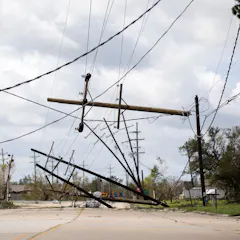
Building even more power poles and transmission lines won’t avert outages when major disasters strike.
Hurricane Ida left the entire city of New Orleans in the dark and renewed discussion of burying power lines. But there’s no way to completely protect the grid, above ground or below.
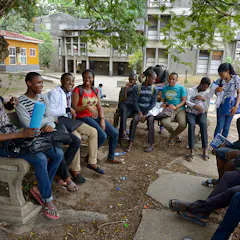
Access to quality infrastructure is important for students to succeed. However, resilience should be encouraged in the pursuit of academic success.
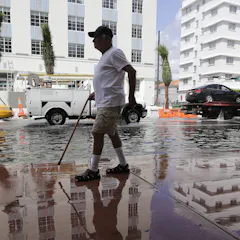
NOAA’s 2021 high-tide flooding outlook shows where the risks are highest and growing. Some communities are seeing 20 or more days of flooding a year now.
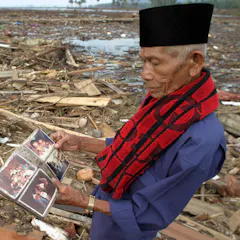
In the immediate aftermath of an event like the 2004 Indian Ocean tsunami, the path forward is not always clear. Looking backward, what have we learned?
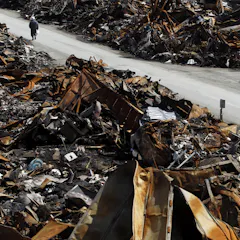
Japan has a long experience of hazards and disasters. Yet it does not seem like all lessons have been applied when it comes to COVID.
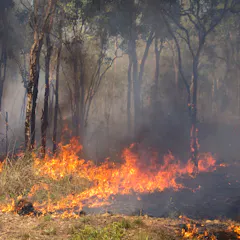
How to prevent future disasters by learning from the past. Listen to episode 21 of The Conversation Weekly podcast.
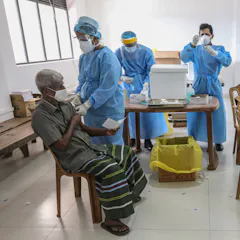
Natural disaster is a misnomer. Disasters occur due to societal failures, not nature.

When the pandemic put tourism on hold, many residents heaved a sigh of relief. Will hasty economic recovery plans scupper our chance for a rethink?
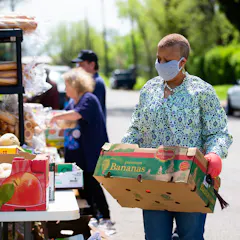
COVID has exposed how vulnerable Australia’s food charities are in times of crisis. But we can prepare for the next disaster.
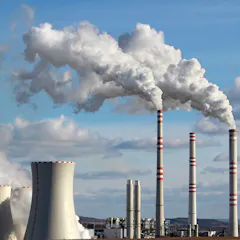
As public funding disappears, corporations have moved to the head of the table of higher education.
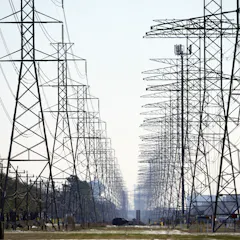
Disasters highlight the cost of society’s love of efficiency. Nature, in contrast, favors resilience. Being more like nature offers benefits for society, especially in the face of the climate crisis.
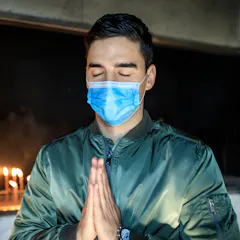
As more people become vaccinated, many of them are eager to resume their social lives. And yet, many are fearful, and some may not want to return to life as they previously experienced it.
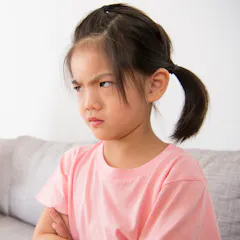
The pandemic has seen more children experience mental health troubles. Modelling compassion and fostering self-esteem will help
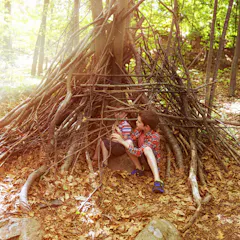
If we want to avoid playing outside becoming a thing of the past, we need to restore the habit in our children after lockdown.
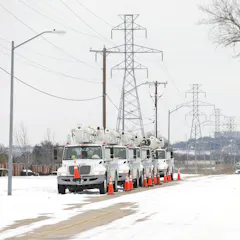
There will be more weather-driven disasters like February’s deep freeze in Texas, and energy planners aren’t prepared.

We are constantly bombarded with tips on how to stay resilient. But we need more than that to be happy.

Growing core coping skills isn’t just a matter of learning not to be triggered by children’s strong feelings; it’s also about creating positive meaningful activities that promote mutual bonding.
Top contributors
-

Professor of Political Science, Public Policy and Urban Affairs, Northeastern University
-
Associate Professor and Canada Research Chair in Human Dimensions of Water Resources and Water Resilience, Brock University
-
Lecturer in Applied Sport & Exercise Psychology, University of Portsmouth
-
Associate Professor, Environmental Sustainability Research Centre, Brock University
-
Assistant Professor of Communication and Cognitive Science, University of California, Davis
-
Professor of Psychology, The University of Texas at Austin
-
Doctor of Philosophy, University of British Columbia
-
Executive Director, Sustainable & Resilient Economy, The Ohio State University
-
Assistant Professor, Department of Educational and Counselling Psychology and Canada Research Chair in Youth Suicide Prevention, McGill University
-
Lecturer in Psychology, University of Bradford
-
Associate Professor, Macquarie University
-
Senior Lecturer, School of Global, Urban and Social Studies, RMIT University
-
Assistant Professor, McGill Group for Suicide Studies, Department of Psychiatry, Faculty of Medicine and Health Sciences, McGill University
-
Associate professor, University of Johannesburg
-
Associate Professor, International Research Institute of Disaster Science, Tohoku University