
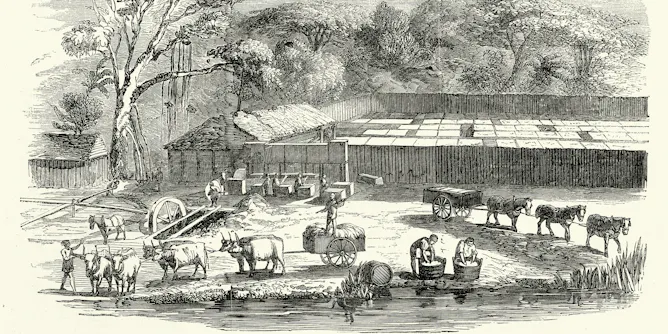
Colonial era records reveal the intersection of race and access to water in South Africa’s history.
Articles on RandD
Displaying 281 - 300 of 3809 articles
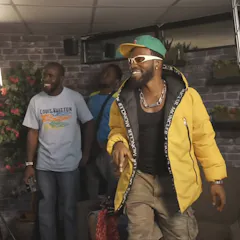
The skit economy is estimated to be Nigeria’s third-largest entertainment sector, with a net worth of over US$31 million.
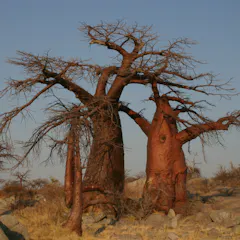
New research shows that baobab tree flowers have adapted to meet the needs of either bats or moths, and without these creatures, the trees will not survive.

South Africa is looking for ways to use social grants to promote economic inclusion.

Far from being simply glamorous or transactional, relationships with a “blesser” expose young women to risks.

Social Stress Indicator is invaluable for digital governance, crisis response, mental health monitoring, and platform design to track and respond to social stress.
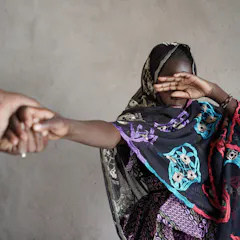
Marriage under the age of 18 harms girls’ health, education and gender equality.

South Africa’s G20 presidency is a chance to lobby for investment in drought-tolerant crops, better irrigation, and early warning systems.

South Africa’s coal mines seem to be leaking far more methane than official records show.

Public ponds, fountains and new reflective buildings are needed to protect Yaoundé’s people from the heat island effect.
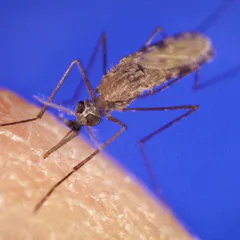
Quercetin, a plant-based flavonoid that give plants their bright colours, was found to disrupt malaria parasites.
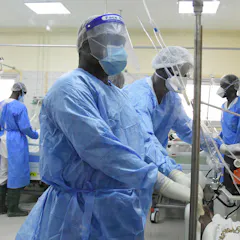
The current outbreak in Senegal is one of many that happen in cycles across Africa in the past 50 years.
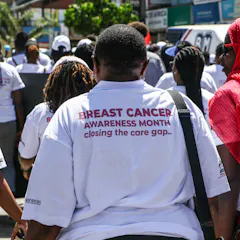
The confirmed presence of substandard or falsified anticancer medicines in sub-Saharan Africa will complicate cancer care.

The cannabis industry in Zimbabwe and South Africa is about to become a huge earner for corporations but small-scale farmers will lose out.
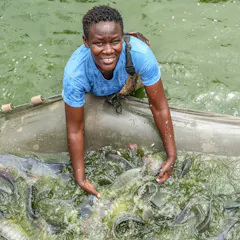
Africa’s small-scale aquaculture practitioners need cold storage facilities to stop their fish from going to waste.

Nigeria’s clay soil needs a boost to become more stable for road building.
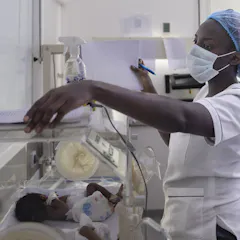
Understanding the prevalence and factors associated with preterm births is critical for effective interventions.

A guide to the work of an acclaimed writer who represented the marginalised in society.

When a language isn’t in the data, its speakers aren’t in the product – and AI cannot be safe, useful, or fair for them.

Adolescent girls living in low-income urban informal settlements face challenges that elevate their susceptibility to early childbearing.
Top contributors
-

Senior Fellow, Department of Agricultural Economics, Stellenbosch University
-
Dean Faculty of Health Sciences and Professor of Vaccinology at University of the Witwatersrand; and Director of the SAMRC Vaccines and Infectious Diseases Analytics Research Unit, University of the Witwatersrand
-
Research Scientist, African Population and Health Research Center
-
Fellow, Nigerian Academy of Science
-
Principal Medical Scientist and Head of Laboratory for Antimalarial Resistance Monitoring and Malaria Operational Research, National Institute for Communicable Diseases
-
Medical scientist, National Institute for Communicable Diseases
-
Research Fellow, Tegemeo Institute, Egerton University
-
Pro Vice-Chancellor, Climate, Sustainability and Inequality and Director, Southern Centre for Inequality Studies, University of the Witwatersrand
-
Professor of medicine and deputy director of the Desmond Tutu HIV Centre at the Institute of Infectious Disease and Molecular Medicine, University of Cape Town
-
Extraordinary Professor, Global Health, Stellenbosch University; South African Medical Research Council
-
Professor of Sociology (Criminology, Victimology and Security Studies), University of Ibadan
-
Professor and Programme Director, SA MRC Centre for Health Economics and Decision Science - PRICELESS SA (Priority Cost Effective Lessons in Systems Strengthening South Africa), University of the Witwatersrand
-
Professor of Political Science and Chair of the South African Research Initiative in Gender Politics, Stellenbosch University
-
Senior Research Associate, University of Johannesburg
-
Research associate at African Centre for Cities, University of Cape Town