
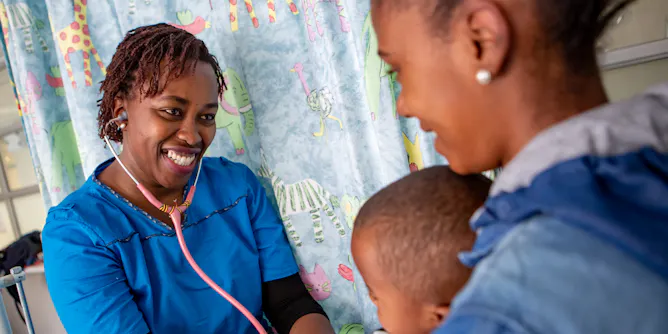
Exposure to violence during the first 1,000 days (from conception to the age of 2 years) has lifelong consequences for children’s health and development.
Articles on RandD
Displaying 261 - 280 of 3809 articles

Africa’s share of the world’s agriculture exports is low and has deteriorated over time.
African countries need funding, skilled staff, and technology to make adaptation happen.
The lack of toilets makes travelling on Africa’s roads a less-than-pleasant experience.
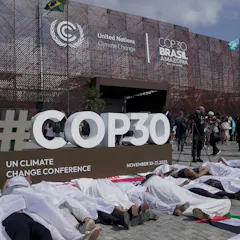
Mozambique, one of Africa’s climate hotspots, faces droughts, floods and cyclones but lacks data, skilled experts and finance to adapt.
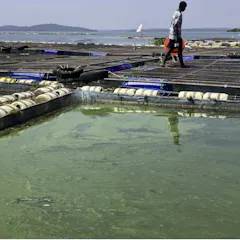
Lake Victoria’s aquaculture industry holds promise for improving food security and livelihoods in east Africa.
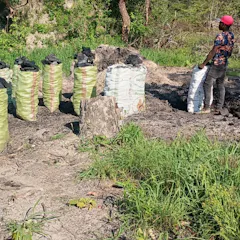
In rural Zambia, solar power has brightened lives, but communities living next to forests can only pay for it by cutting down trees, putting forests at risk.

Violence exposure in early childhood is widespread in low- and middle-income countries and has clear impacts on young children’s mental health.
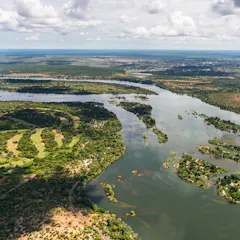
Control over water underpins national security, economic stability and social wellbeing, as disputes over rivers from southern Africa to the Nile show.
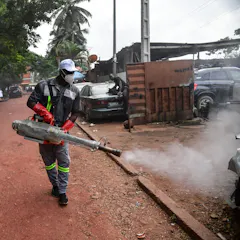
Climate-caused heat and floods help disease-carrying insects spread to new places.

Carbon offsets in Zimbabwe pay for new garden projects and clean energy stoves, but prevent local communities from using land that was previously communal.

75% of Mount Kilimanjaro’s indigenous plants have been wiped out over the last century.
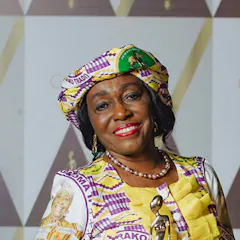
Ghana’s former first lady, Nana Konadu Agyeman-Rawlings, was a disrupter.
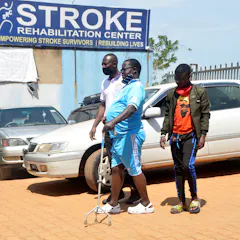
Despite the rising burden of stroke across Africa, there is no continent-wide framework or standardised protocol for stroke management.
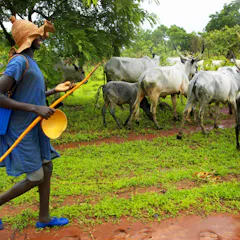
Conflict over land, pastoral mobility and weak governance often overlap with religious fault lines, but can’t be reduced to them.
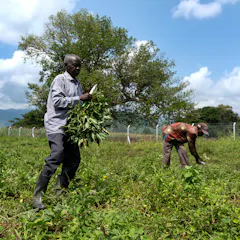
African farmers face rising climate disasters that destroy crops and livestock. The G20 must champion new, affordable tech-based insurance for them.
The optimal and safe use of agricultural inputs to increase food production is key to achieving global food security.

This year, on 10 November, it is World Science Day for Peace and Development. SALT has had considerable social benefits for the community in Sutherland.
Dangerous climate tipping points will threaten food, water and coastlines. They’re irreversible and only radically accelerated climate action can stop them now.
Africa is heavily dependent on agriculture. At this year’s COP30 conference, the continent needs to secure more funding to adapt land to climate disasters.
Top contributors
-

Senior Fellow, Department of Agricultural Economics, Stellenbosch University
-
Dean Faculty of Health Sciences and Professor of Vaccinology at University of the Witwatersrand; and Director of the SAMRC Vaccines and Infectious Diseases Analytics Research Unit, University of the Witwatersrand
-
Research Scientist, African Population and Health Research Center
-
Fellow, Nigerian Academy of Science
-
Principal Medical Scientist and Head of Laboratory for Antimalarial Resistance Monitoring and Malaria Operational Research, National Institute for Communicable Diseases
-
Medical scientist, National Institute for Communicable Diseases
-
Research Fellow, Tegemeo Institute, Egerton University
-
Pro Vice-Chancellor, Climate, Sustainability and Inequality and Director, Southern Centre for Inequality Studies, University of the Witwatersrand
-
Professor of medicine and deputy director of the Desmond Tutu HIV Centre at the Institute of Infectious Disease and Molecular Medicine, University of Cape Town
-
Professor of Sociology (Criminology, Victimology and Security Studies), University of Ibadan
-
Professor and Programme Director, SA MRC Centre for Health Economics and Decision Science - PRICELESS SA (Priority Cost Effective Lessons in Systems Strengthening South Africa), University of the Witwatersrand
-
Extraordinary Professor, Global Health, Stellenbosch University; South African Medical Research Council
-
Research associate at African Centre for Cities, University of Cape Town
-
Senior Research Associate, University of Johannesburg
-
Professor of Political Science and Chair of the South African Research Initiative in Gender Politics, Stellenbosch University