

South Africa needs to use its G20 presidency to press for reforms that could reduce Africa’s borrowing costs and strengthen its financial sovereignty.
Articles on RandD
Displaying 321 - 340 of 3809 articles
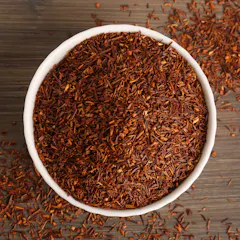
A new study compares the anti-inflammatory and barrier protective effects of unfermented and fermented rooibos extract on intestinal pig cells.

While sanctions aim to punish regimes, they often punish citizens instead.

The Amadiba community in South Africa holds fast to traditional farming. They have also withstood pressure to mine their land.
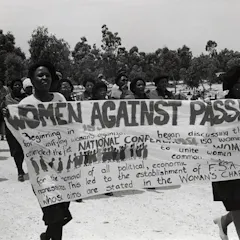
The stories of six South African women who travelled to fight for workers and for women’s rights, and risked it all.

Using plastic waste in the Nigerian textile industry would reduce pollution, generate employment, and cut a niche in the world of sustainable fashion.
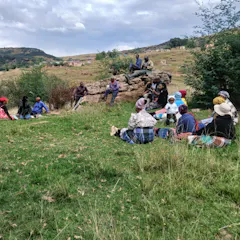
Rural communities in South Africa rely on public land to graze their livestock. They must be part of fighting soil erosion and restoring natural grasses.
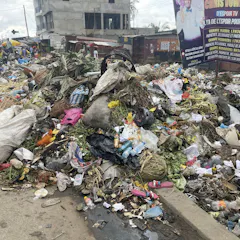
Only 43% of Cameroon’s urban residents have their garbage removed from their homes. Other garbage ends up dumped, burned or placed in overflowing communal bins.
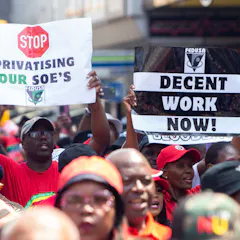
Elites have often shaped or manipulated state policies in ways that protect their interests and reinforce inequality.
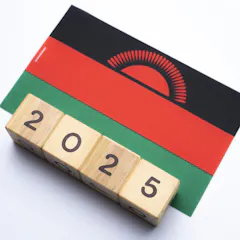
After the elections, Malawi’s government will need to confront deep-rooted structural challenges to secure lasting food security and drive inclusive economic growth.
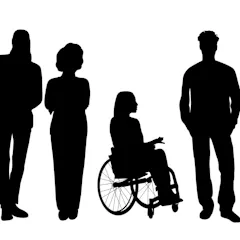
Ableist microaggressions are made by able-bodied people who don’t understand the realities of living with a disability.
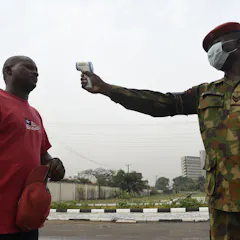
Nigeria’s reliance on soldiers for civilian enforcement comes with serious costs, including human rights abuses, corruption and a rise in violent crimes.
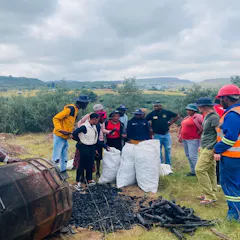
New research says invasive black wattle trees that are burnt as fuelwood in South Africa’s rural areas would be better turned into charcoal and useful wood products.
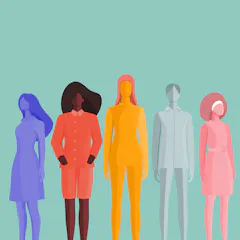
Achieving gender parity could take more than a century. South Africa and Australia show why context matters – and why there’s no single formula for equality.
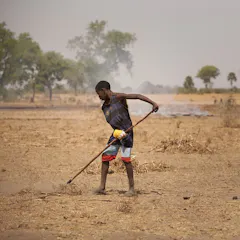
There is growing recognition that the breakdown of the global climate, and vulnerability to its effects, are deeply rooted in histories of colonialism.
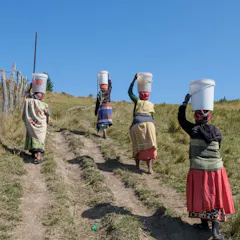
Water interruptions, absence of toilets and a lack of clean energy can reduce food security.

Rooibos herbal tea was first farmed by Indigenous South Africans who were forced off their land during apartheid.

Colonialism criminalised local knowledge systems.
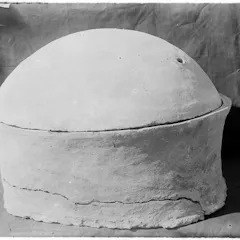
There was previously no direct genetic data from an Egyptian individual of this period.
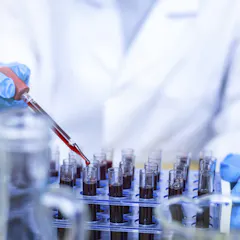
Functional genomics, which is seeing how genetic variants behave in biological systems through genetic testing, is offering new hope for African cancer patients.
Top contributors
-

Senior Fellow, Department of Agricultural Economics, Stellenbosch University
-
Dean Faculty of Health Sciences and Professor of Vaccinology at University of the Witwatersrand; and Director of the SAMRC Vaccines and Infectious Diseases Analytics Research Unit, University of the Witwatersrand
-
Research Scientist, African Population and Health Research Center
-
Fellow, Nigerian Academy of Science
-
Principal Medical Scientist and Head of Laboratory for Antimalarial Resistance Monitoring and Malaria Operational Research, National Institute for Communicable Diseases
-
Medical scientist, National Institute for Communicable Diseases
-
Research Fellow, Tegemeo Institute, Egerton University
-
Pro Vice-Chancellor, Climate, Sustainability and Inequality and Director, Southern Centre for Inequality Studies, University of the Witwatersrand
-
Professor of medicine and deputy director of the Desmond Tutu HIV Centre at the Institute of Infectious Disease and Molecular Medicine, University of Cape Town
-
Professor of Sociology (Criminology, Victimology and Security Studies), University of Ibadan
-
Professor and Programme Director, SA MRC Centre for Health Economics and Decision Science - PRICELESS SA (Priority Cost Effective Lessons in Systems Strengthening South Africa), University of the Witwatersrand
-
Extraordinary Professor, Global Health, Stellenbosch University; South African Medical Research Council
-
Research associate at African Centre for Cities, University of Cape Town
-
Senior Research Associate, University of Johannesburg
-
Professor of Political Science and Chair of the South African Research Initiative in Gender Politics, Stellenbosch University