
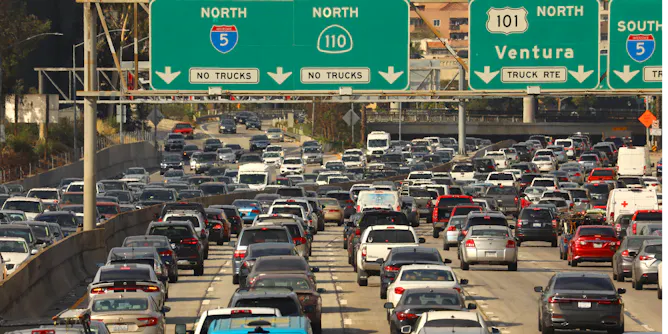
The pandemic offered a tantalizing look at city life with fewer cars in the picture. But with traffic rebounding, there’s limited time to lock in policies that make streets more people-friendly.
Articles on Public space
Displaying 21 - 40 of 119 articles

Roadsides have long been reserved for parking cars, but the pandemic led to many experiments with other ways of using scarce and valuable public space. We can put it to better and more flexible uses.
NSW is developing a comprehensive new planning policy with the goal of creating healthy places. A new study finds those people who work as placemakers want these goals embedded in laws and budgets.
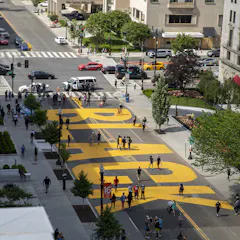
COVID-19 has underscored the value of parks and public spaces. A new survey shows that US mayors have gotten the message, but post-pandemic plans for public spaces remain largely undefined.

Many people prefer the status quo as they struggle to imagine the alternatives. The pandemic has been the catalyst for urban experiments that have opened our eyes to new possibilities.

Facebook’s choice of profits over the people is difficult to reconcile with its commitment to free speech.
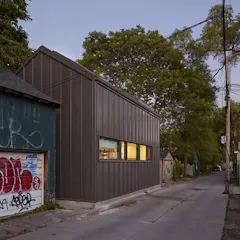
Laneway suites could increase rental stock in established neighbourhoods without affecting their character. Toronto has lagged behind other cities in Canada and North America.
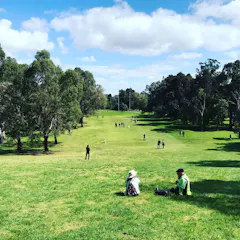
All parks are not equal. The response to the opening of golf courses to the public during the COVID pandemic shows the quality of green open space is a big issue for city residents.
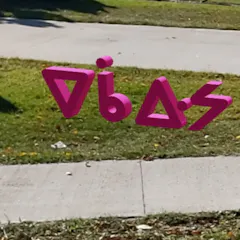
Both the COVID-19 pandemic and urgent debates around public heritage and monuments shape how Nuit Blanche Toronto is seeking to engage artists and viewers in remapping cities.

By using computer crowd simulations, we can figure out how large numbers of people can move around public space while maintaining social distancing.
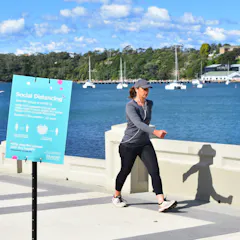
The Gender Equality Act in Victoria creates an obligation to understand how gender affects needs and experiences, and to design, assess and manage public spaces so women feel safe in those places.
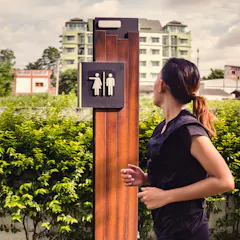
Public washrooms are an essential service and the people who maintain them are essential workers. But what happens when a pandemic closes public bathrooms and a civil rights protest breaks out?

When urban spaces work well they are highly social spaces. How do we safely manage them and people’s fears about mingling when ‘being together but apart’ is the norm?

Temporary and tactical urbanism offers simple, low-cost solutions to make streets and other public spaces both safe and sociable during this time of physical distancing.
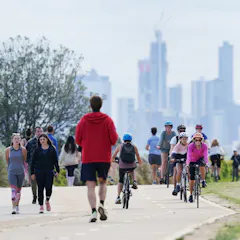
COVID-19 has upturned uses of public spaces that we took for granted. Will shifts in the regulation of these spaces lead to a change in thinking about who “owns” the city?

Current restrictions remind us of the value of access to public space and one another. Yet even before COVID-19 some people were excluded and targeted, so a return to the status quo isn’t good enough.
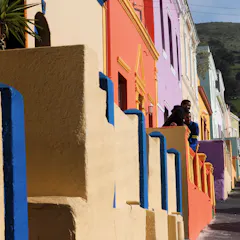
In reacting to the pandemic, architecture can reclaim its impact by conceding its loss of connection with public health, looking beyond Western thinking for its references.

Most of the activities that define city life we do together. Now that we are having to get used to more isolated lives, will this have lasting social impacts or will city life resume as before?
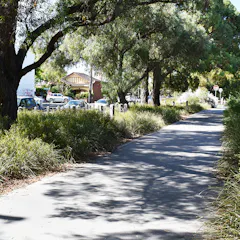
It’s well-established that green spaces are good for our well-being. Now we can demonstrate that greater biodiversity boosts this benefit, as well as helping to sustain native plants and animals.
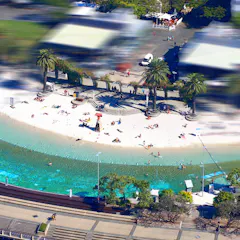
As you walk about a city are you in public or private space? The line is often blurred.
Top contributors
-

Senior Lecturer in Industrial Design, UNSW
-
Professor of International Planning, Centre for Urban Research, RMIT University
-
Director, XYX Lab, and Professor, Faculty of Art, Design and Architecture, Monash University
-
PhD Candidate and Sessional Tutor, The University of Melbourne
-
Professor of Urban Geography, University of Sydney
-
Professor in Law, UNSW
-
Urban Designer and Sessional Lecturer, La Trobe University
-
Professor of Planning and Associate Director, City Futures Research Centre, UNSW
-
Lecturer in Landscape Architecture, The University of Melbourne
-
Reader in Tourism and Events, University of Westminster
-
Professor of Urban Health and Environment, UNSW
-
John Rennie Short is a Friend of The Conversation.
Professor Emeritus of Public Policy, University of Maryland, Baltimore County
-
Lecturer, Australian Urban Design Research Centre, The University of Western Australia
-
Professor of Cities and Planetary Health, ARC Future Fellow in nature-based solutions for loneliness, University of Sydney
-
Associate Professor, School of Architecture and Urban Design, RMIT University