
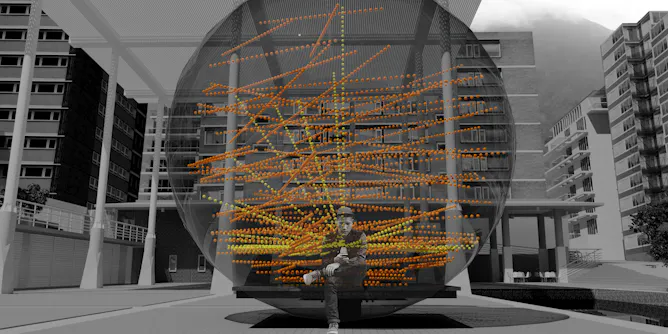
How data is changing the shape of our personal ‘bubble’ – in pictures.
Articles on Public space
Displaying 61 - 80 of 119 articles

The need for public cooking facilities has long been recognised, but why has the basic public barbecue failed to evolve along with Australians, their lifestyles and the foods they eat?
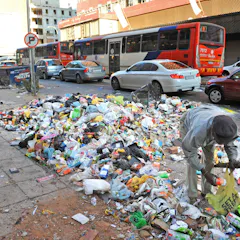
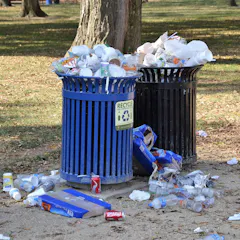
Littering in protest is indicative of a discordant society, and a culture of littering can tell us a lot about a society’s ethos.

The positive mood of tweets varies with time of day and season, but it’s consistently higher in parks than in built-up areas, where people are more likely to express anger and fears.
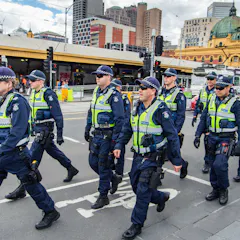
Security in cities can make some people feel safe while excluding others. New ways of planning and policing public space are needed to ensure cities are safe and accessible for all.
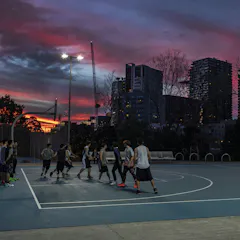
Casual sport can help communities thrive. But for many of Australia’s most marginal communities, it’s becoming harder to find a place to play.
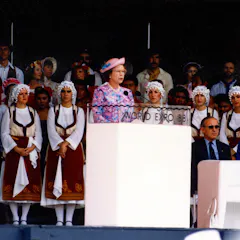
Expo 88 helped to create Brisbane’s South Bank Parklands by raising expectations of what the city could be like.
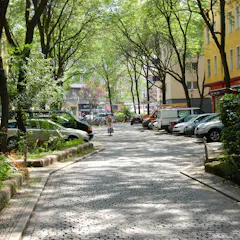
All around us, the places we inhabit send us physical and visual cues that influence our behaviour. Good design can tilt the balance so our surroundings help us act in ways that fulfil our needs.
Researchers are installing sensors to collect data about the use of public spaces. This can improve the management and public amenity of these places, but will users see the technology as intrusive?

By expanding our understanding of streets and enhancing their design, every street corner could become a space to socialise, to exercise, to play, or to trade.
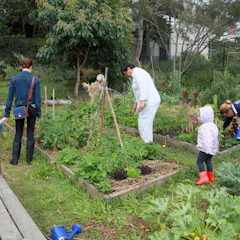
Third places are shared spaces where people can informally socialise. As a potential antidote to the modern scourge of loneliness, it’s worth asking what makes the best of these places tick.
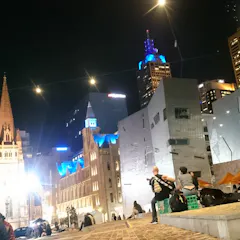
It took Melbourne a very long time to create a civic square that served the citizens rather than commerce. Now an Apple store is to be built there, unless parliament supports a disallowance motion.
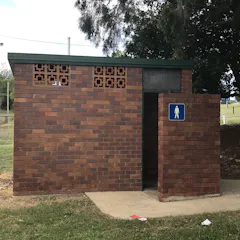
Public toilets are an essential amenity, but most of them aren’t places we’d want to go to unless we have to. What does the failure to provide more restful and inviting places say about us?
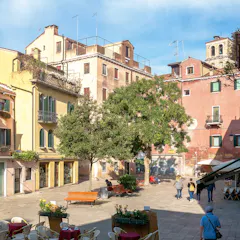
Done right, a plaza can bring life and a sense of identity to an area. So why has urban design in Australia neglected the town square in favour of green space, and what makes for a successful one?

For a public space to be seen as safe, welcoming and accessible, a diverse range of people need to actively use it. That’s why any space-changing project needs to engage broadly with the community.
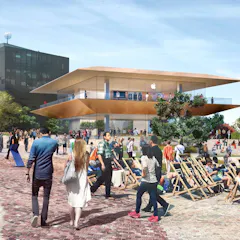
Apple’s interest in Federation Square, and in co-opting the idea of the public square in general, goes beyond the quest for profit.

The benefits of walking are widely promoted, but most Australian communities still aren’t walker-friendly. Young people, who rely heavily on walking to get around, are clear about what has to change.
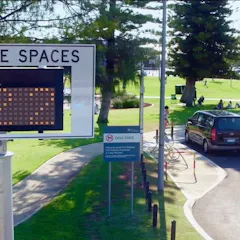
Public spaces have become more, not less, important to our experience of cities in the digital era. These technologies can be used to confound and enlarge our experiences of and connections to place.
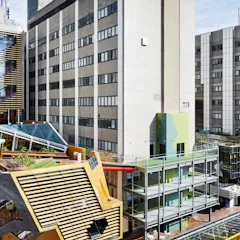
European ideas of the campus as a place apart shaped Australia’s “sandstone” universities. Now universities are adopting urban regeneration strategies, bringing the city to the campus and vice versa.
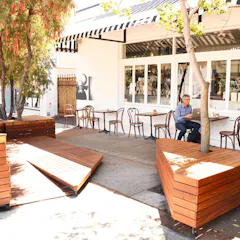
Many parklets are privately funded, but these projects often allow for more public participation than more traditional public spaces.
Top contributors
-

Senior Lecturer in Industrial Design, UNSW
-
Professor of International Planning, Centre for Urban Research, RMIT University
-
Director, XYX Lab, and Professor, Faculty of Art, Design and Architecture, Monash University
-
PhD Candidate and Sessional Tutor, The University of Melbourne
-
Professor of Urban Geography, University of Sydney
-
Professor in Law, UNSW
-
Urban Designer and Sessional Lecturer, La Trobe University
-
Professor of Planning and Associate Director, City Futures Research Centre, UNSW
-
Lecturer in Landscape Architecture, The University of Melbourne
-
Reader in Tourism and Events, University of Westminster
-
Professor of Urban Health and Environment, UNSW
-
John Rennie Short is a Friend of The Conversation.
Professor Emeritus of Public Policy, University of Maryland, Baltimore County
-
Lecturer, Australian Urban Design Research Centre, The University of Western Australia
-
Professor of Cities and Planetary Health, ARC Future Fellow in nature-based solutions for loneliness, University of Sydney
-
Associate Professor, School of Architecture and Urban Design, RMIT University