
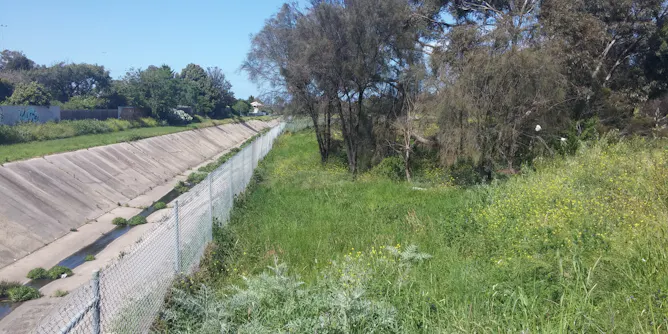
Residents often have concerns about informal green space but some still use it. Work to enhance these areas should aim to resolve these concerns without destroying what residents do value.
Articles on Public space
Displaying 81 - 100 of 119 articles
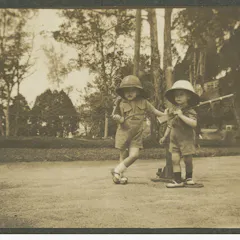
Australian children were once free to play on the streets, but today the urban space is less friendly to children and their imaginations.
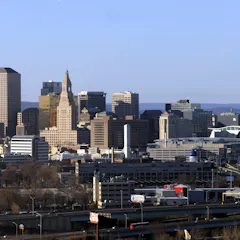
In the country’s wealthiest cities, gentrification is a dirty word. But it’s all relative – just ask Hartford and Columbus.
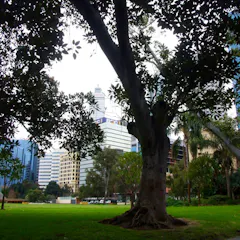
A new study shows major Australian cities are suffering an overall loss of green space –
although some areas are doing better than others.

Drains take up precious but inaccessible open space in our cities. Converting these to living streams running through the suburbs could make for healthier places in multiple ways.
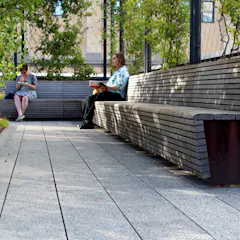
With cities becoming more dense and housing more crowded, people rely more than ever on well-designed public spaces, so why hasn’t the furniture changed with the times?
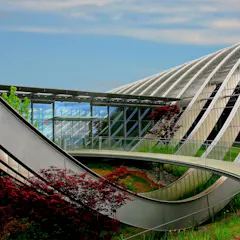
By putting the users of buildings – people – at the centre of the process of designing buildings and infrastructure, we can create healthier, more human-centred spaces.
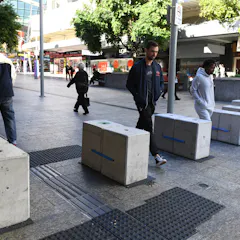
We live in dangerous times, but how we react to the risk of terrorism will have impacts on our public realm for many years.

Should reality stars be warned that everything they say can and will be used against them in a court of law? Turns out, it’s complicated.

Because physical security can only do so much, communities have a role to play.

Local and national authorities are curtailing civil liberties in the name of ‘security’.
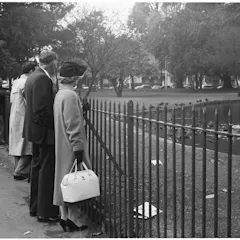
Melbourne is a product of British colonial planning policies to control public access and movement in Australian cities. This legacy still influences the use of public spaces today.

A host of spaces that were once immune to commercial intrusion – from parks to our friendships – are now being infiltrated by advertisers. Are we being enslaved by a ‘merciless master’?

In contrast to perceptions of other homeless people sleeping rough, Darwin’s “long-grassers” are applying a long cultural tradition to deal with the situation in which they find themselves.
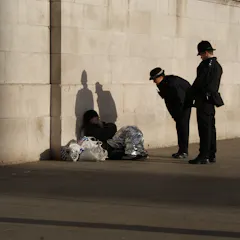
Archaic vagrancy acts and Public Spaces Protection Laws turn washing, sleeping and begging into punishable offences.
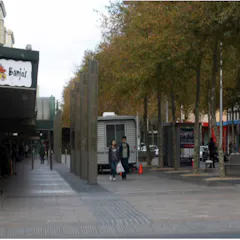
Redesigning spaces of conflict starts with creating life on the edges. Geelong offers contrasting examples of city centre spaces: one with problems inherent in its design and a nearby one that works.
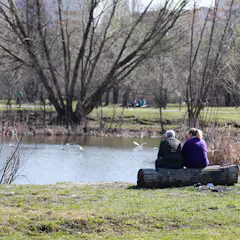
Several key aspects of public open space can encourage older people to get out and about. And badly designed and maintained facilities have the opposite effect and can harm their wellbeing.
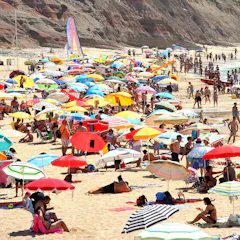
In many ways, the conflict we see on our beaches may be a small price to pay for the free and open access to our beaches, which Australians have long fought to preserve.

Hot-desking tends to affect different employees differently – it tends to produce winners and losers.
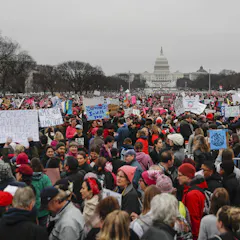
Inaugural weekends are snapshots of the cultural and political zeitgeist. How did this year’s compare to those from 2009 and 2005?
Top contributors
-

Senior Lecturer in Industrial Design, UNSW
-
Professor of International Planning, Centre for Urban Research, RMIT University
-
Director, XYX Lab, and Professor, Faculty of Art, Design and Architecture, Monash University
-
PhD Candidate and Sessional Tutor, The University of Melbourne
-
Professor of Urban Geography, University of Sydney
-
Professor in Law, UNSW
-
Urban Designer and Sessional Lecturer, La Trobe University
-
Professor of Planning and Associate Director, City Futures Research Centre, UNSW
-
Lecturer in Landscape Architecture, The University of Melbourne
-
Reader in Tourism and Events, University of Westminster
-
Professor of Urban Health and Environment, UNSW
-
John Rennie Short is a Friend of The Conversation.
Professor Emeritus of Public Policy, University of Maryland, Baltimore County
-
Lecturer, Australian Urban Design Research Centre, The University of Western Australia
-
Professor of Cities and Planetary Health, ARC Future Fellow in nature-based solutions for loneliness, University of Sydney
-
Associate Professor, School of Architecture and Urban Design, RMIT University